Category: Health - Page 4
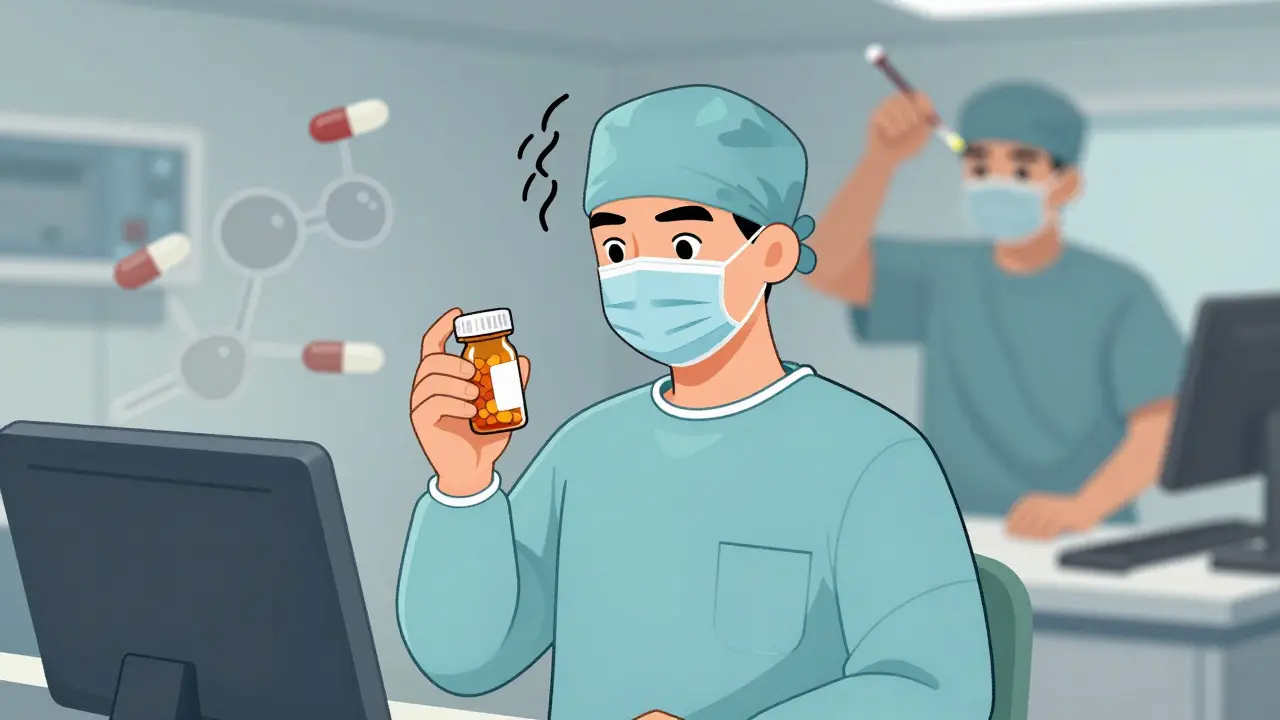
Medications and Work Safety Risks: What Every Worker Needs to Know
Medications can pose serious workplace risks - whether you're taking them or handling them. Learn how opioids, benzodiazepines, and chemotherapy drugs affect safety, what protections exist, and how to stay safe on the job.
Read More
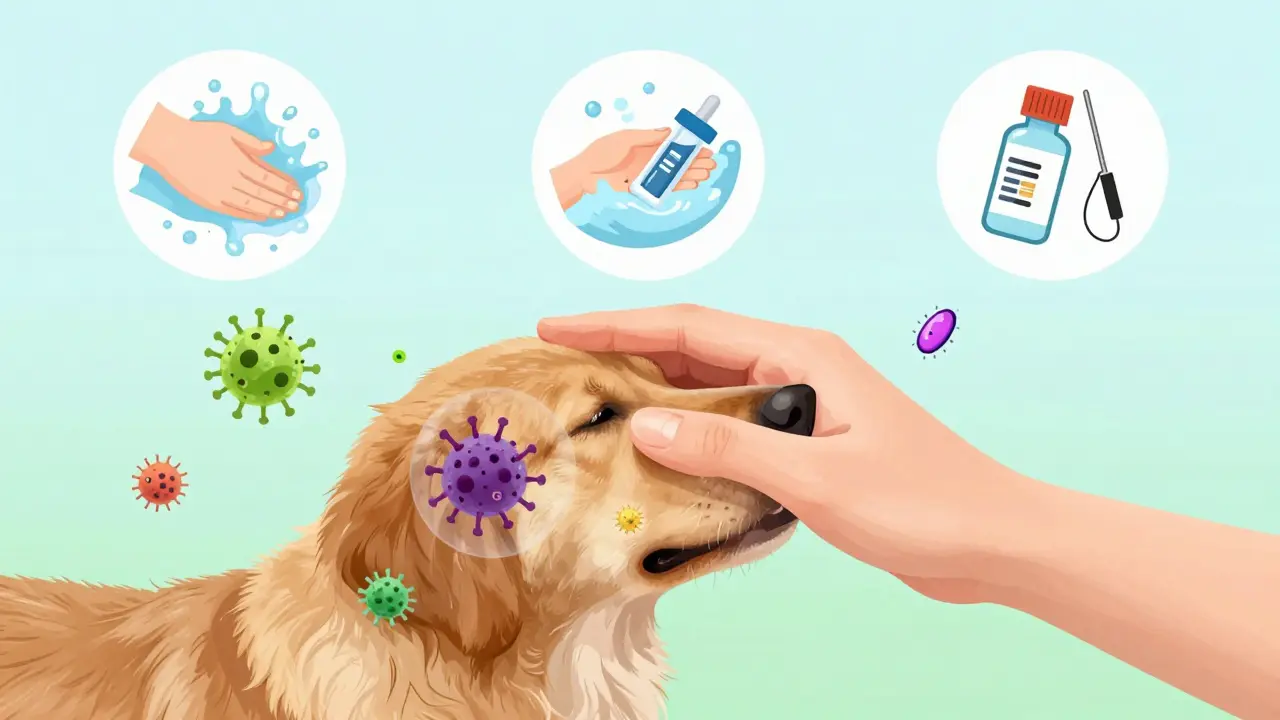
Zoonotic Diseases: How Animal-to-Human Infections Spread and How to Stop Them
Over 60% of human infectious diseases come from animals. Learn how zoonotic diseases like rabies, salmonella, and Lyme spread from pets, livestock, and wildlife-and simple, proven steps to protect yourself and your family.
Read More
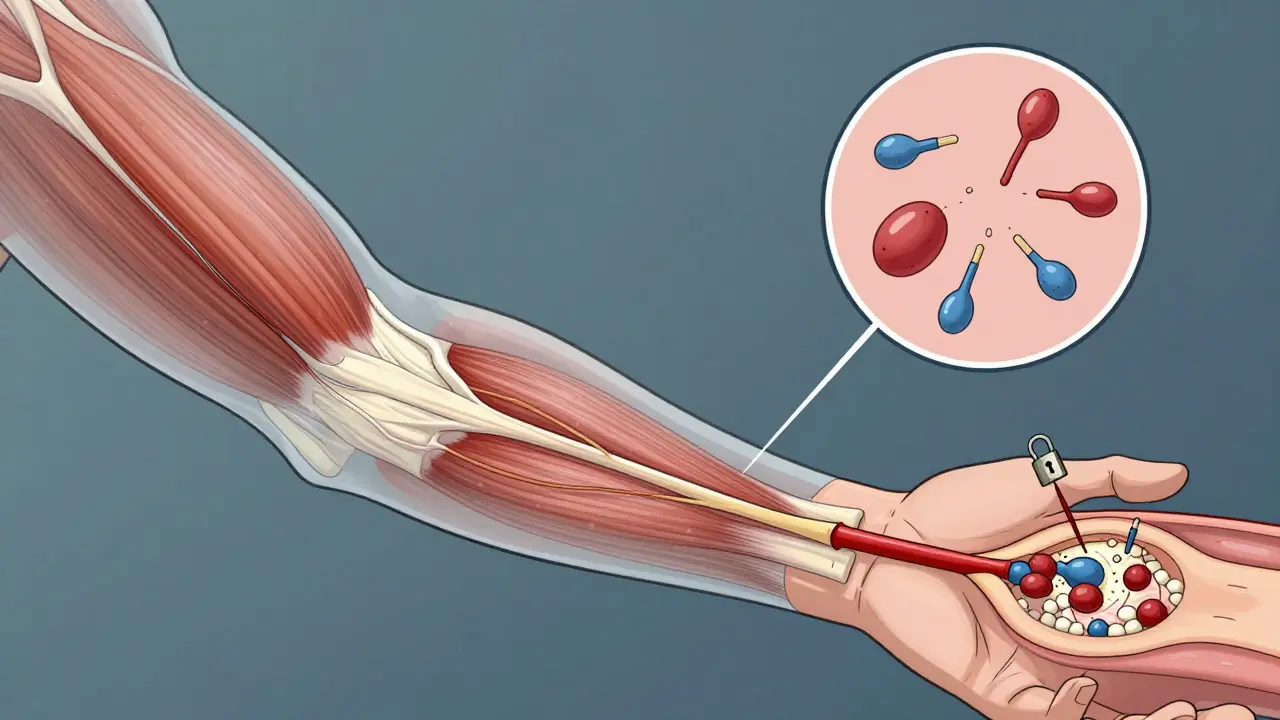
Myasthenia Gravis Treatment: How Modern Therapies Restore Muscle Strength
Myasthenia gravis is an autoimmune disorder that disrupts nerve-to-muscle signals, causing weakness. Modern treatments now include targeted biologics, thymectomy, and immunosuppressants tailored to antibody status. Learn how the latest therapies restore function and improve quality of life.
Read More

Autoimmune Thyroid Eye Disease: Symptoms and Treatment Progress
Thyroid Eye Disease (TED) is an autoimmune condition causing eye bulging, double vision, and pain. Learn about modern treatments like Tepezza, surgical options, and why early diagnosis saves vision.
Read More
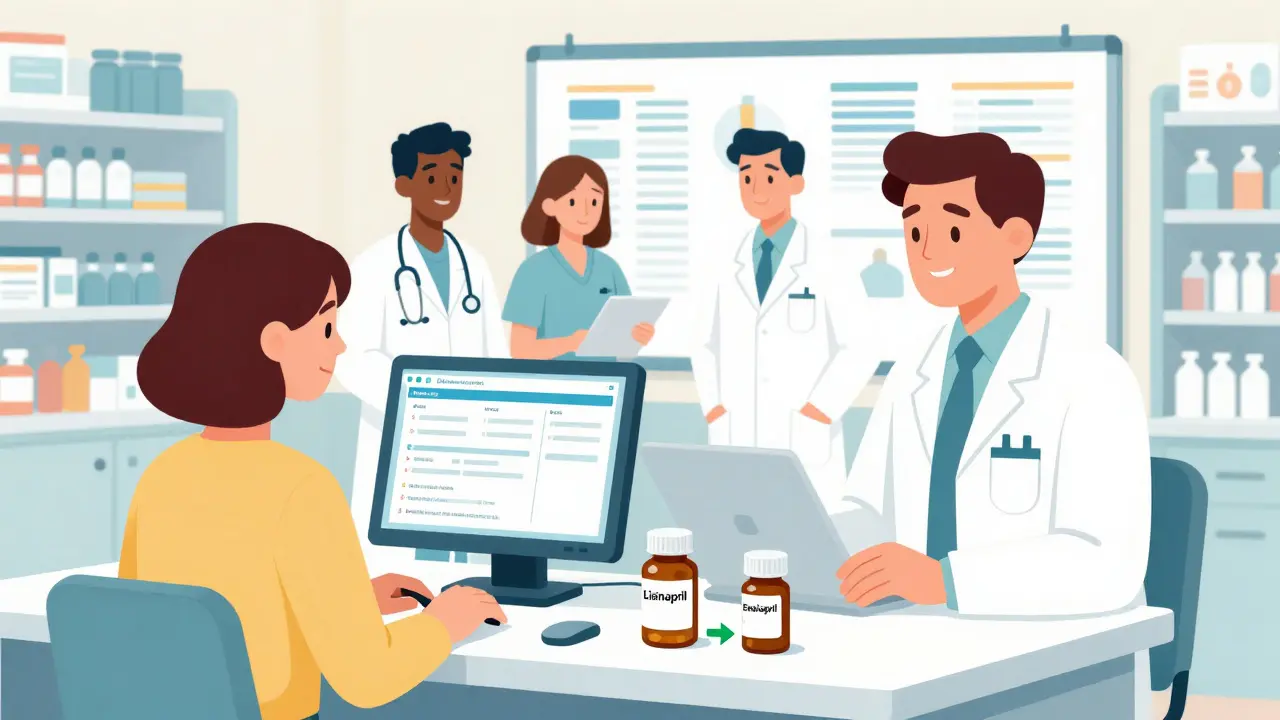
Therapeutic Interchange: What Providers Really Do When Switching Medications Within the Same Class
Therapeutic interchange is a controlled medication swap within the same drug class, used in hospitals and nursing homes to cut costs without lowering care. It's not a random change-it's evidence-based, approved by teams, and requires prescriber consent.
Read More
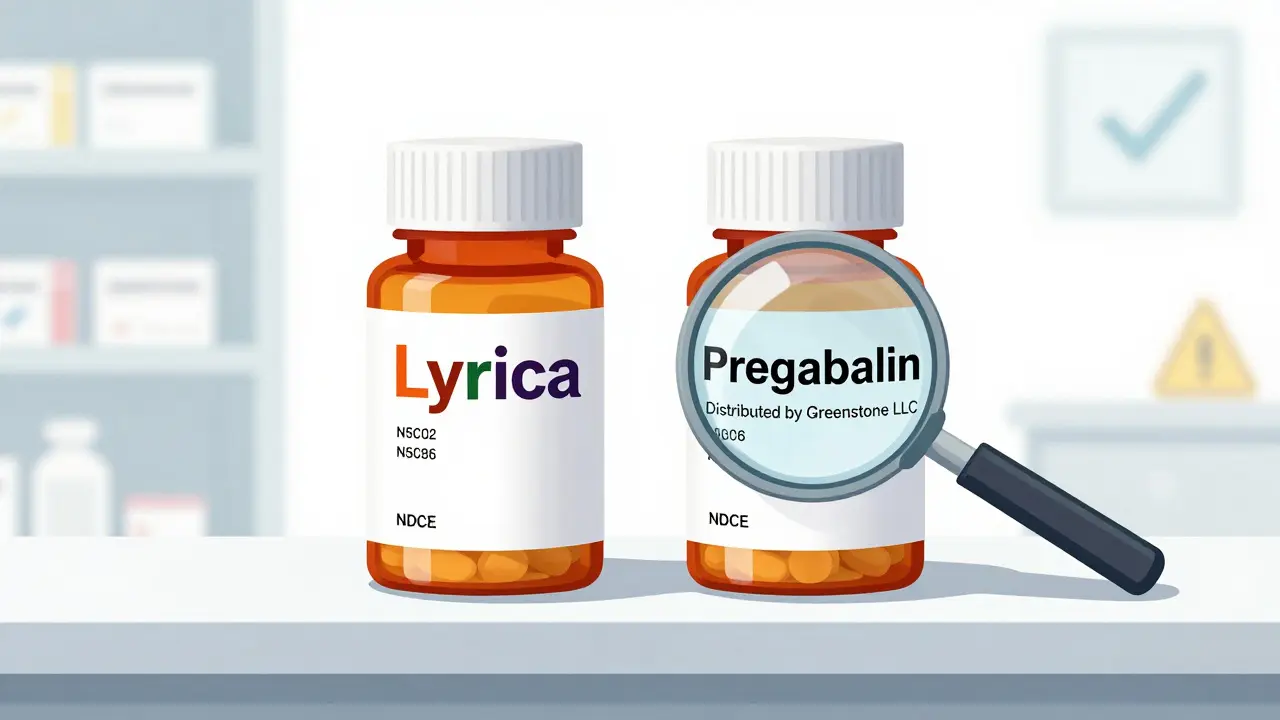
How to Identify Authorized Generics by Packaging and Labeling
Learn how to identify authorized generics by checking packaging, labeling, and NDC codes. Know the difference between authorized generics and regular generics to ensure you're getting the right medication at the right price.
Read More
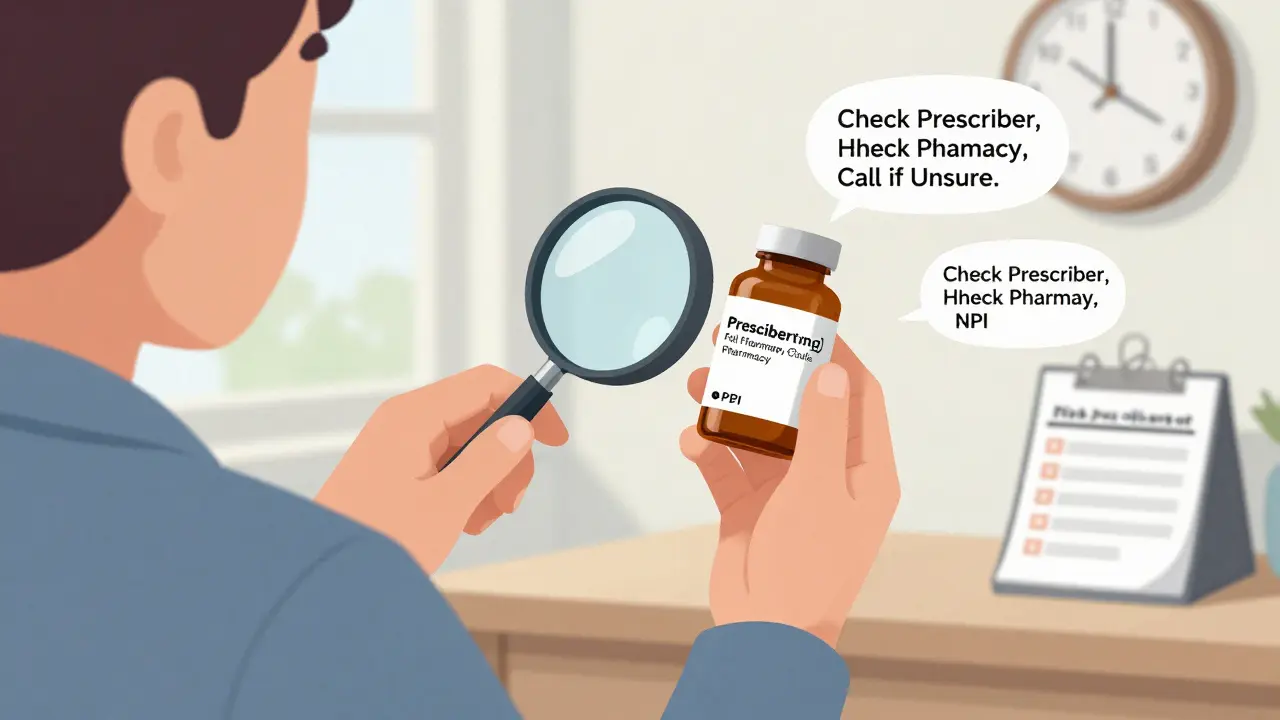
How to Verify the Prescriber and Pharmacy Information on Your Medication Label
Learn how to check your medication label for correct prescriber and pharmacy info to prevent dangerous errors. Simple steps can stop 1 in 8 medication mistakes.
Read More
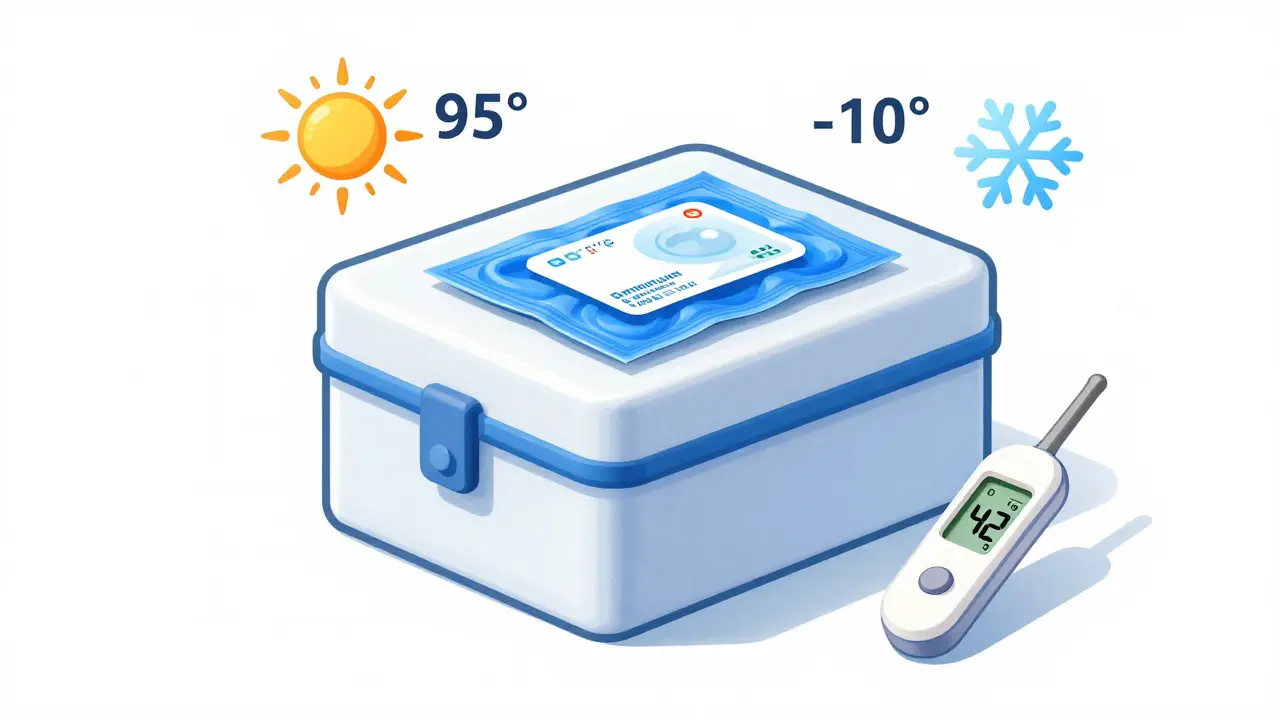
Mail-Order Pharmacy Safety: How Temperature, Timing, and Tracking Keep Your Meds Safe
Mail-order pharmacies offer convenience and savings, but safety depends on temperature control, timely delivery, and real-time tracking. Learn how to protect your meds from heat, delays, and theft.
Read More
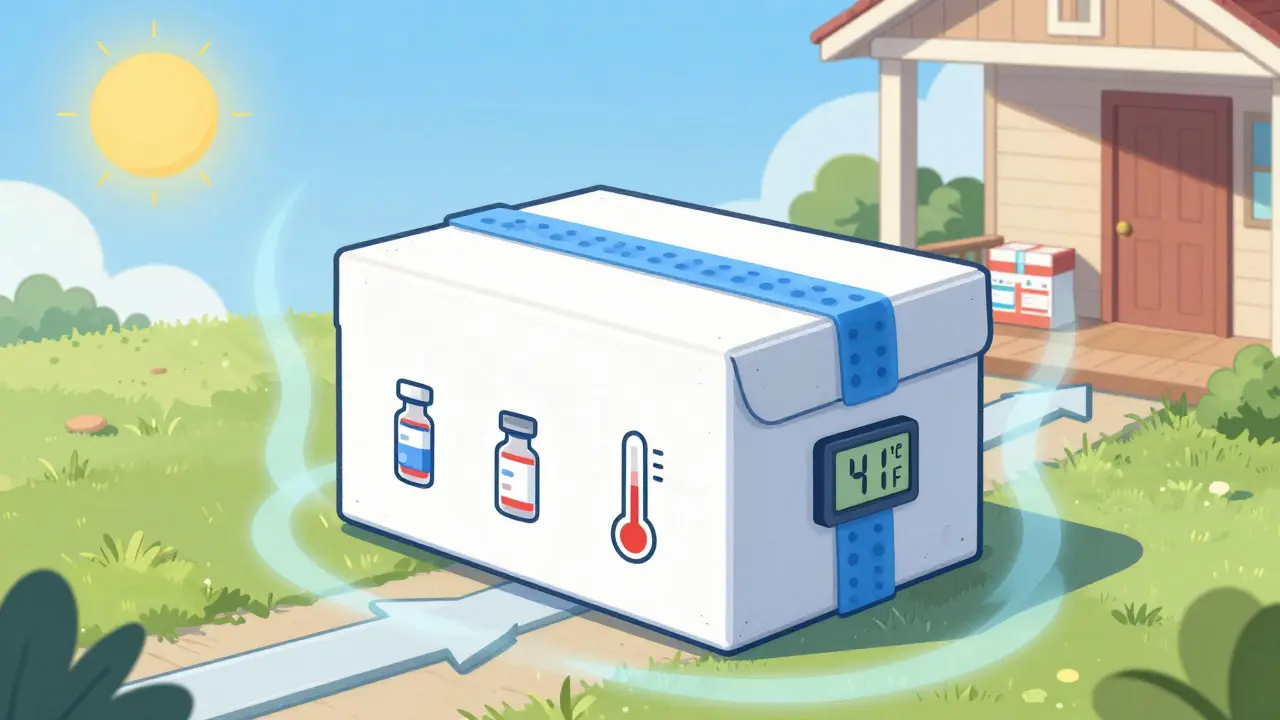
Mail-Order Pharmacy Safety: How Temperature, Timing, and Tracking Keep Your Medications Safe
Mail-order pharmacies save money and improve adherence-but only if temperature, timing, and tracking are handled right. Learn how to keep your meds safe during delivery.
Read More
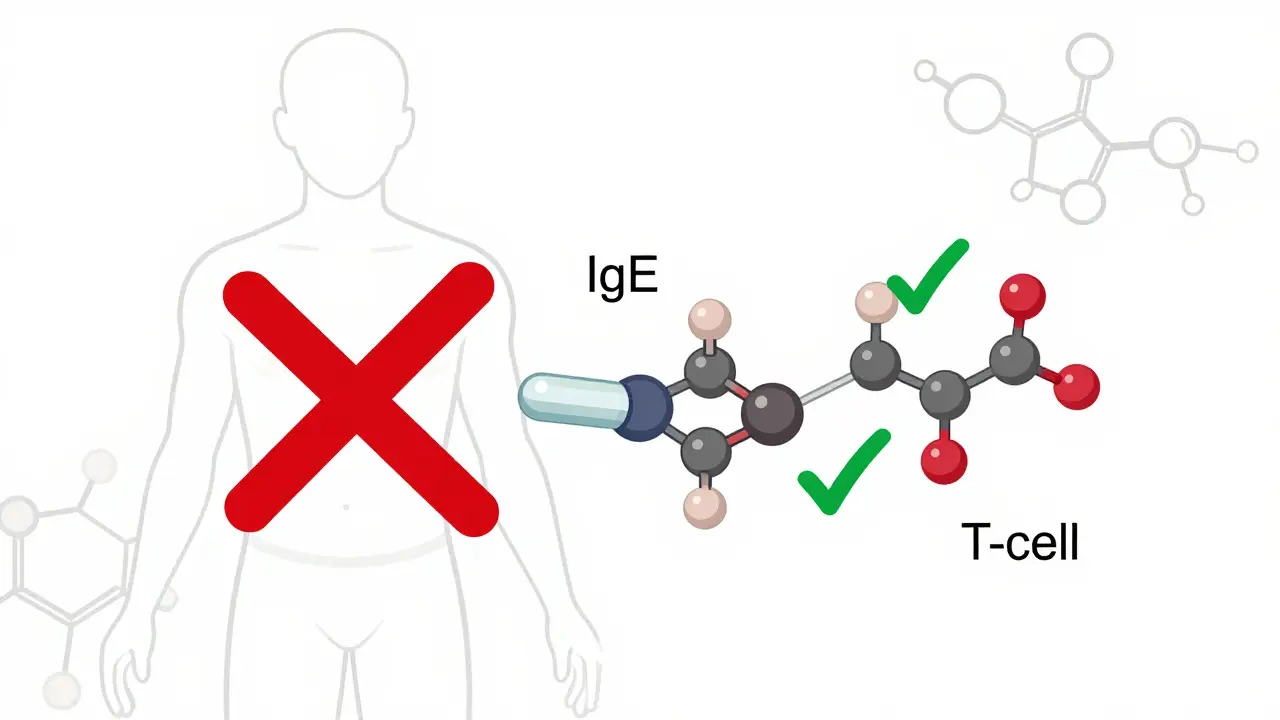
When to Avoid a Medication Family After a Severe Drug Reaction
Not every severe drug reaction means lifelong avoidance of a whole medication class. Learn when to avoid a drug family, when to question it, and how to get tested for true allergies to avoid unnecessary risks and treatment delays.
Read More

Benzodiazepine Overdose: Emergency Treatment and Monitoring
Benzodiazepine overdose is rarely fatal alone but becomes life-threatening when mixed with opioids or alcohol. Emergency treatment focuses on airway support and monitoring-not flumazenil. Recovery takes hours to days, and premature discharge can be deadly.
Read More
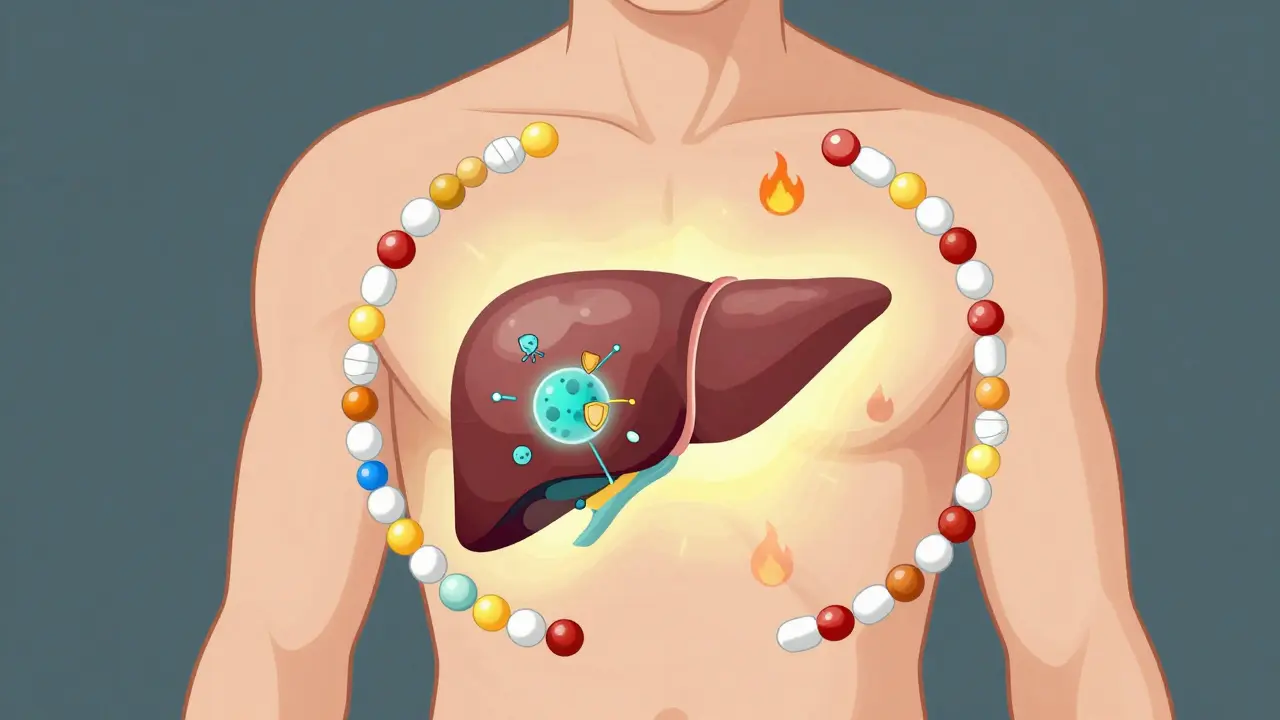
Post-Transplant Life: Recognizing Rejection Signs and Staying on Medication
After a liver transplant, your survival depends on recognizing rejection signs early and taking your meds every single day. Learn the real risks, the hidden challenges, and what actually works to protect your new organ.
Read More