RSE eLearning - Page 3
Recent Authorized Generic Approvals: Current Options and Market Trends
Authorized generics are identical to brand-name drugs but sold under a different label. As of 2025, only two new ones were approved. Learn why they're rare, how to find them, and when they matter most for your health.
Read More

Team-Based Care: How Multidisciplinary Teams Improve Generic Prescribing Outcomes
Team-based care improves generic prescribing by combining doctors, pharmacists, and nurses to reduce costs, prevent errors, and boost adherence. Learn how this model works, who’s involved, and why it’s transforming medication management.
Read More
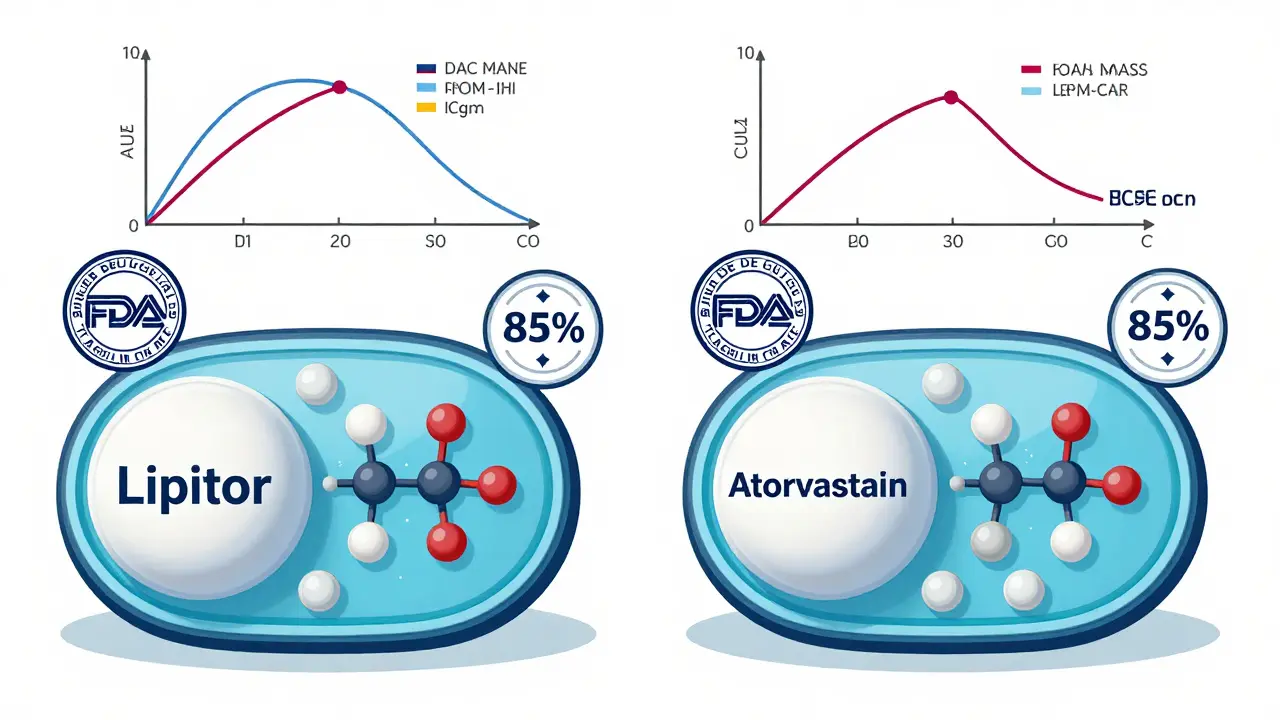
Generic Drugs: What They Are and How They Work
Generic drugs contain the same active ingredients as brand-name medications and are proven to be equally safe and effective. They cost up to 85% less and make up 90% of U.S. prescriptions. Learn how they're approved, why they're cheaper, and when to ask your doctor about switching.
Read More
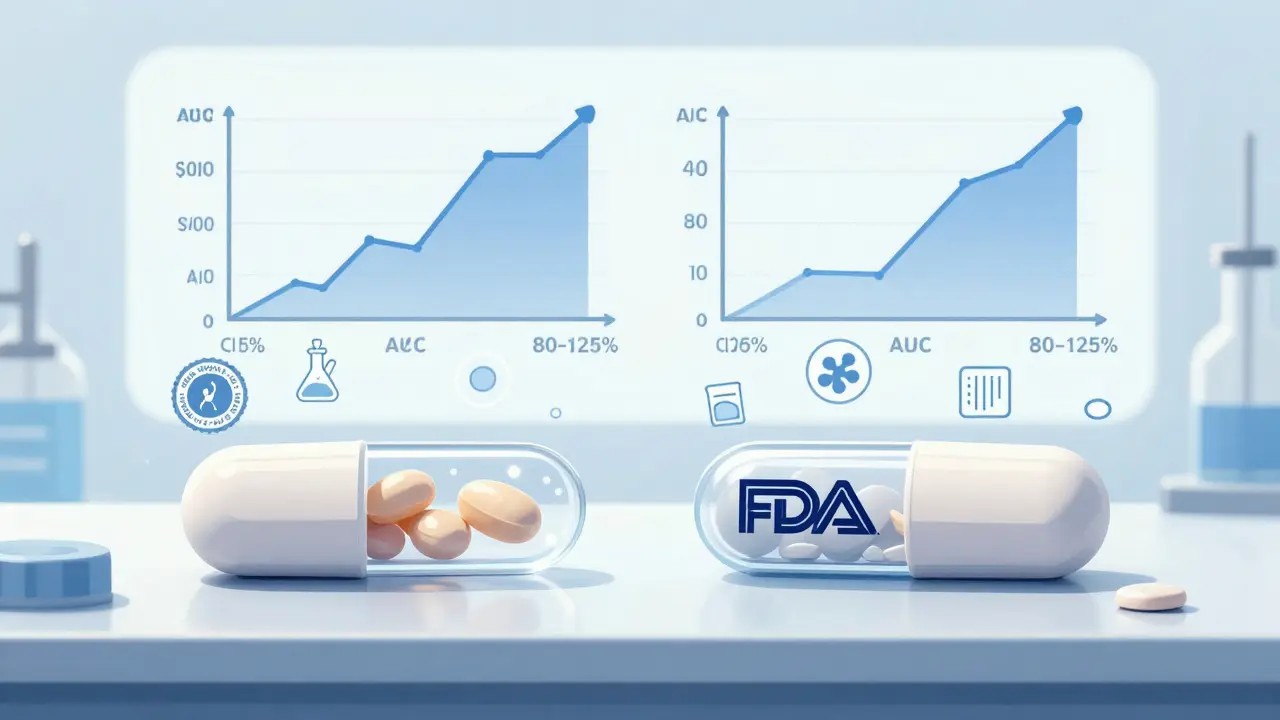
Generic Drug Quality Standards: What the FDA Requires and How Testing Works
Generic drugs must meet the same FDA standards as brand-name drugs, including bioequivalence and strict manufacturing rules. Learn how testing ensures they're safe, effective, and affordable.
Read More
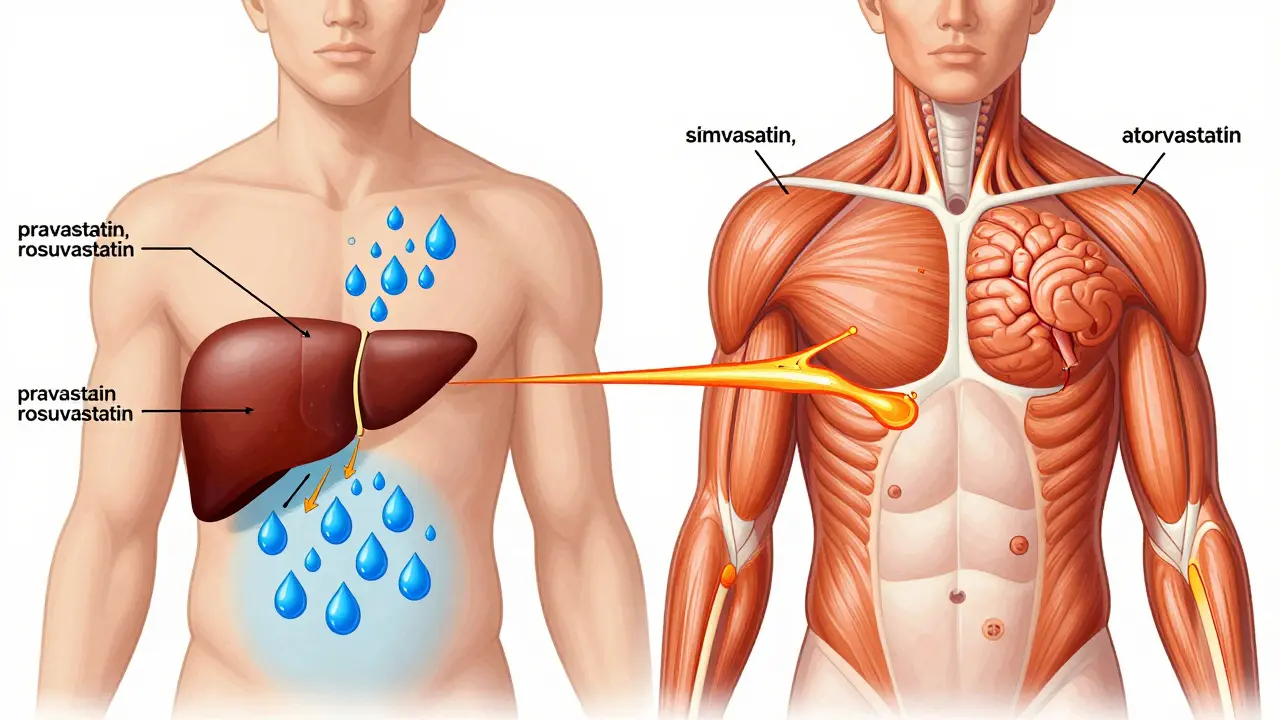
Hydrophilic vs Lipophilic Statins: What You Need to Know About Side Effects
Hydrophilic and lipophilic statins differ in how they move through the body, affecting side effects like muscle pain and drug interactions. Understanding this helps choose the right statin for your body and health risks.
Read More
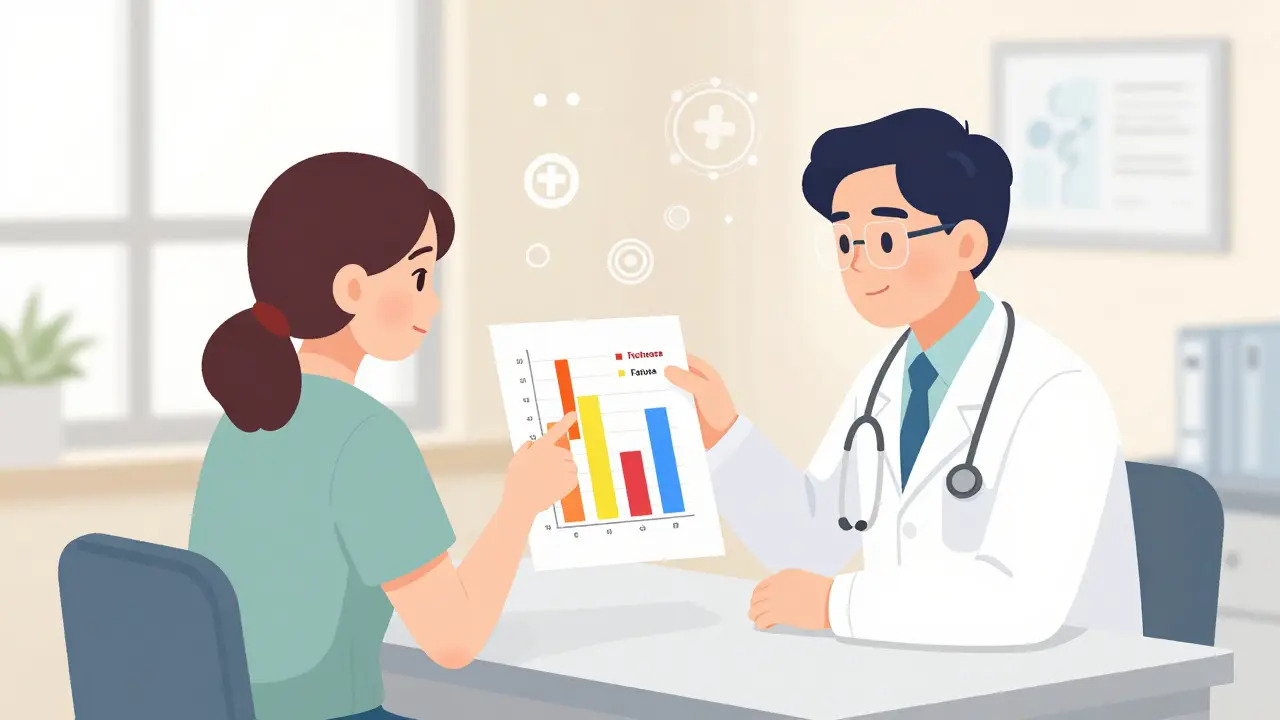
Shared Decision-Making Scripts for Side Effect Trade-Offs in Medication Choices
Shared decision-making scripts help patients and doctors weigh medication side effects together, leading to better adherence and fewer regrets. Learn how to use proven frameworks like SHARE and the three-talk model to make smarter, personalized treatment choices.
Read More
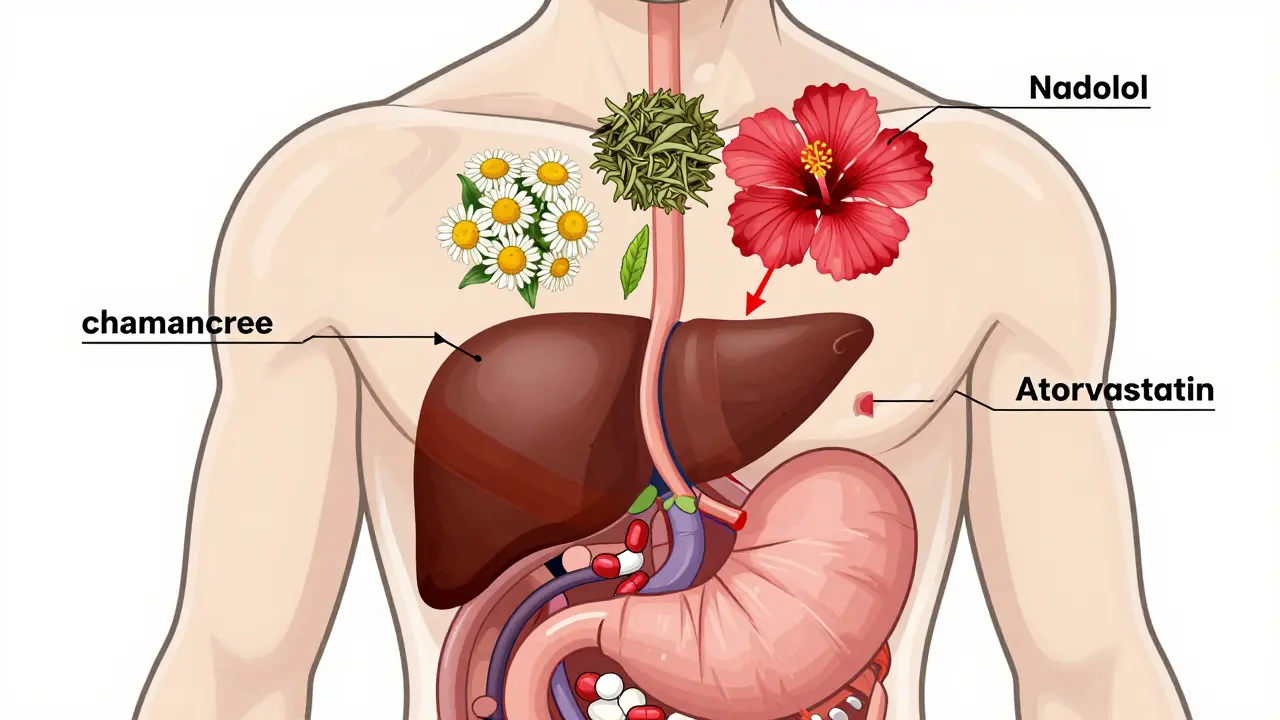
Herbal Teas and Medications: Potential Interactions to Review
Herbal teas like green, chamomile, and hibiscus can interfere with medications, reducing effectiveness or causing dangerous side effects. Learn which teas to avoid if you're on blood thinners, antidepressants, or heart meds.
Read More
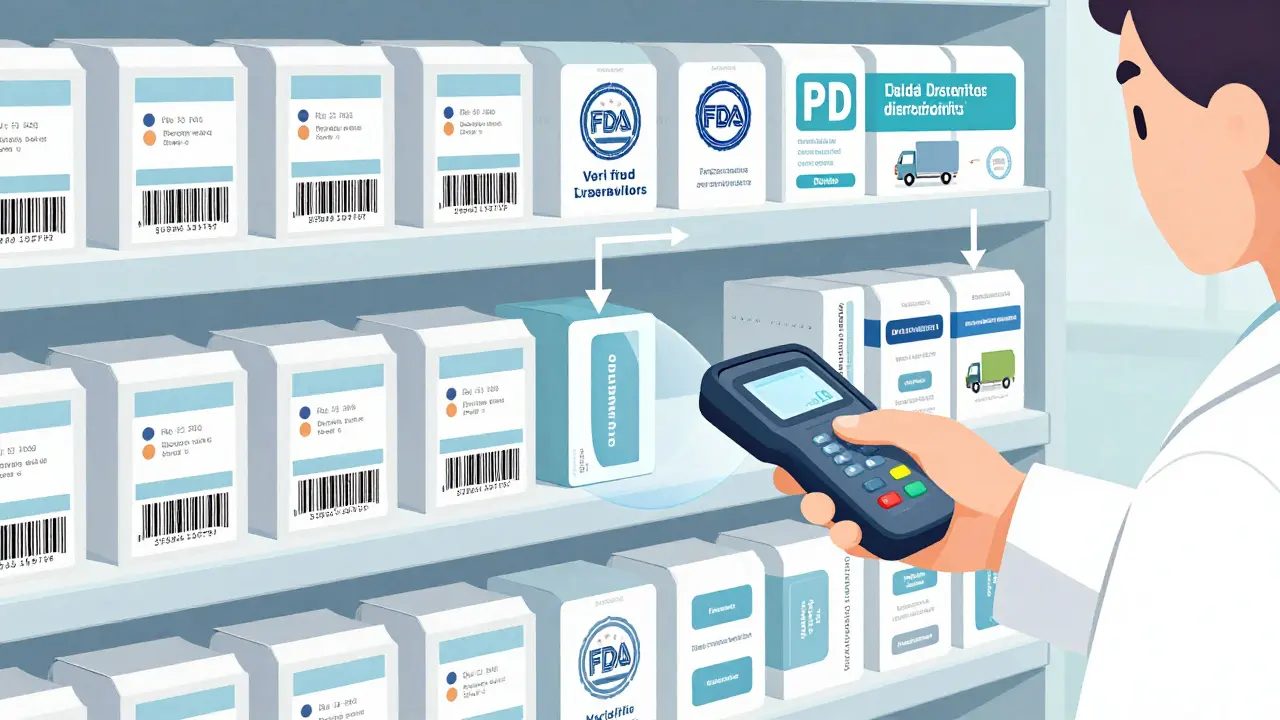
Pharmacy Sourcing Requirements: Legitimate Drug Procurement Standards to Avoid Counterfeit Medications
Learn the real standards for legitimate drug procurement to prevent counterfeit medications in pharmacies. Understand DSCSA rules, supplier vetting, and how to protect patients from fake drugs.
Read More
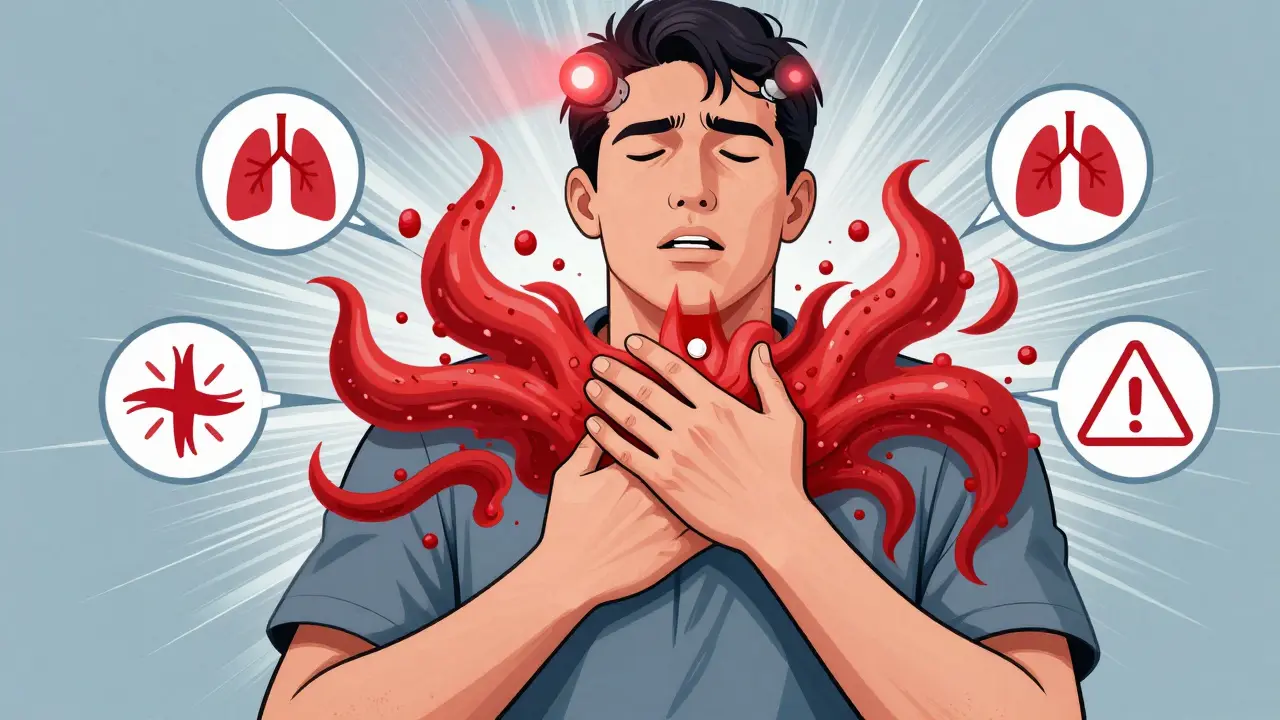
When Side Effects Warrant Stopping a Medication Immediately
Some side effects require immediate medication cessation to save your life - others can kill you if stopped too fast. Learn the critical signs that mean stop now, and the drugs you must never quit cold turkey.
Read More

Stability and Shelf Life: How Generic Products Degrade and Why Safety Depends on Testing
Generic drugs may look the same as brand-name versions, but differences in ingredients and packaging can lead to faster degradation and safety risks. Learn how stability testing protects your health and why expiration dates matter more than you think.
Read More

Telehealth Medication Reviews: How to Prepare and What to Ask
Learn how to prepare for a telehealth medication review, what questions to ask, and how to stay safe while managing multiple prescriptions from home. Reduce drug risks with simple, proven steps.
Read More
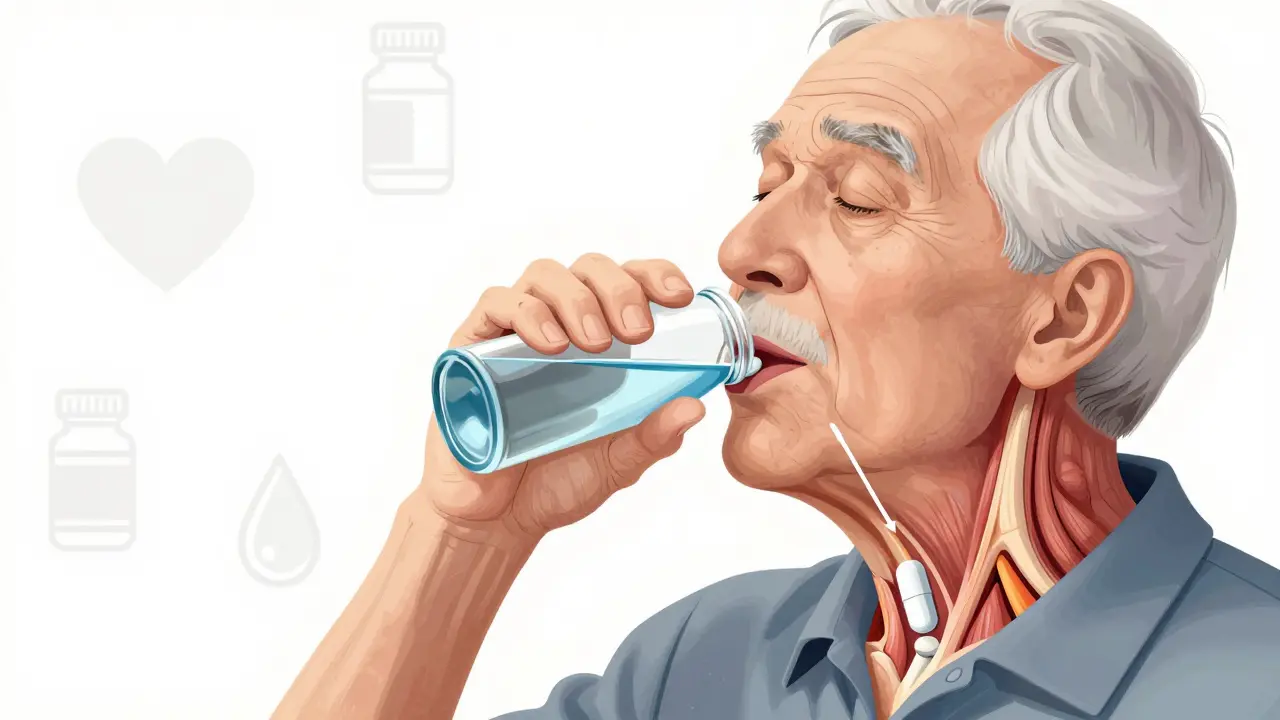
How to Overcome Swallowing Difficulties to Keep Taking Medicine
Struggling to swallow pills? You're not alone. Learn safe, proven ways to take your medicine without choking or risking overdose-plus alternatives like liquids, dissolving tablets, and patches that actually work.
Read More