Herbal Teas and Medications: Potential Interactions to Review
 Jan, 22 2026
Many people reach for herbal teas thinking they’re harmless-just a warm, natural drink. But if you’re taking prescription medications, that cup of chamomile or hibiscus could be doing more than soothing you. It might be changing how your drugs work, sometimes in dangerous ways.
Why Herbal Teas Aren’t Always Safe with Medications
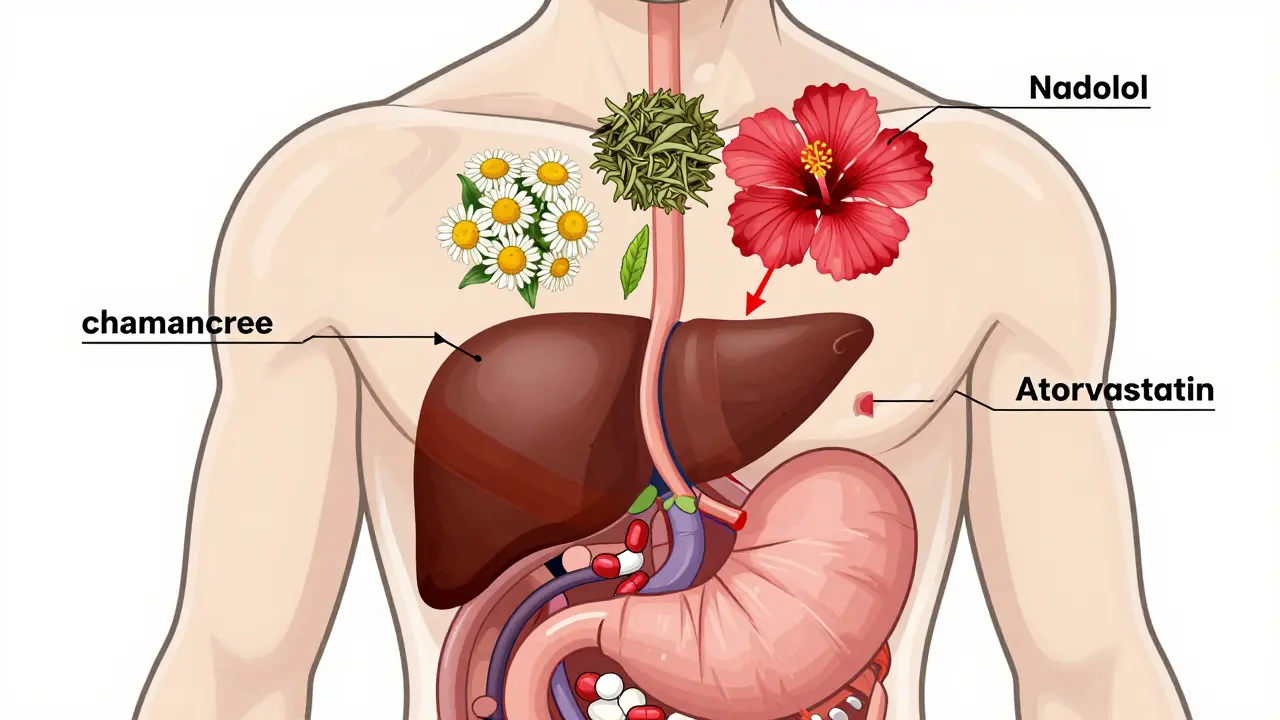
Herbal teas aren’t regulated like drugs. That means they don’t have to prove safety or effectiveness before hitting store shelves. The FDA treats them as food, not medicine. So while a green tea bag might seem like a simple snack, it contains powerful plant chemicals that can interfere with how your body handles medications. Take green tea, for example. It’s not just caffeine. It’s packed with epigallocatechin gallate (EGCG), a compound that can block the transporters your body uses to absorb certain drugs. Studies show drinking just three cups of strong green tea daily can slash the blood levels of the beta-blocker nadolol by 85%. That’s not a small drop-it means your heart medication might not work at all. The same thing happens with statins like atorvastatin. Levels drop by 31-39%. If you’re on these drugs, your doctor needs to know you’re drinking green tea.Teas That Can Bleed You Dry
If you’re on blood thinners like warfarin, ginkgo biloba, ginger, or chamomile tea might be putting you at risk. These teas contain compounds that thin the blood even further. The result? Bruising easily, nosebleeds, or worse-internal bleeding or stroke. Ginkgo biloba tea is especially risky. Multiple studies confirm it increases bleeding time when mixed with warfarin. Even though some people swear by it for memory, the risk isn’t worth it if you’re already on anticoagulants. The same goes for garlic and ginseng. These aren’t just “natural remedies.” They’re active substances that interact with your blood’s clotting system. And here’s the catch: most people don’t tell their doctors about them. A 2022 Mayo Clinic review found that only 25% of older adults who use herbal teas mention them during medical visits. They don’t think tea counts as a supplement. But to your body, it does.Chamomile and Birth Control: A Hidden Risk
Chamomile tea is popular for sleep and stress. But if you’re taking oral contraceptives, it could be reducing their effectiveness. Early studies suggest chamomile’s active compound, apigenin, interferes with liver enzymes (CYP3A4) that break down estrogen and progestin. If those hormones don’t stay in your system long enough, birth control can fail. There’s no large-scale trial proving this yet-but there’s enough evidence to be cautious. If you’re relying on the pill and drinking chamomile tea every night, talk to your doctor. You might need to switch to a non-herbal sleep aid or adjust your contraceptive method.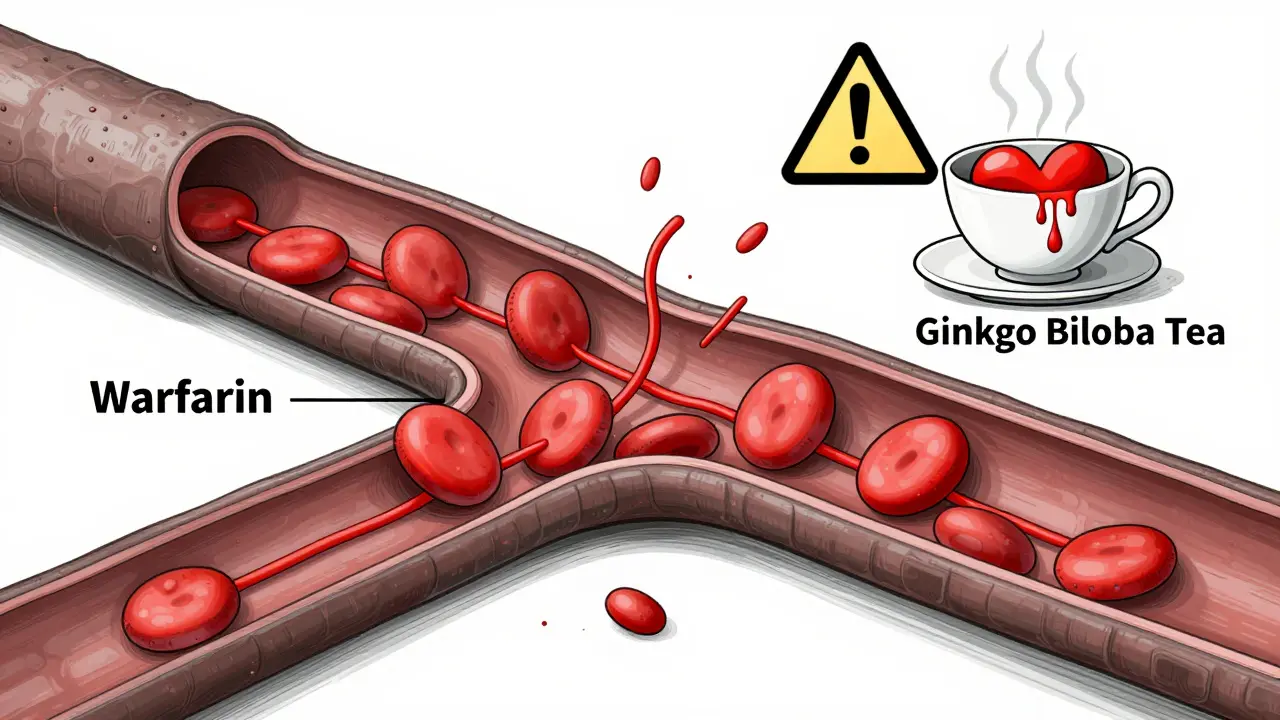
Hibiscus Tea and Blood Pressure: Too Much of a Good Thing
Hibiscus tea is marketed as a natural way to lower blood pressure. And it can. But if you’re already on lisinopril, enalapril, or another ACE inhibitor, drinking hibiscus tea might push your blood pressure too low. Case reports show patients dropping below 90 mmHg systolic after combining hibiscus tea with their medication. That’s dangerously low. Symptoms include dizziness, fainting, and kidney strain. The tea works the same way as your drug-by relaxing blood vessels. Two tools doing the same job? That’s not synergy. That’s overload. If you’re on blood pressure meds and love hibiscus tea, monitor your readings closely. If your numbers start dipping below 100/60, cut back or stop. Don’t assume “natural” means safe when combined with prescriptions.St. John’s Wort: The Silent Drug Killer
St. John’s wort tea is sold as a natural antidepressant. But it’s one of the most dangerous herbal teas for medication users. It turns on a liver enzyme called CYP3A4 that breaks down drugs too fast. That means your antidepressants, birth control, HIV meds, cancer drugs, and even heart medications can become useless. People have ended up in the hospital after switching from prescription SSRIs to St. John’s wort tea. Their depression returned because their body was flushing out the drug before it could work. The same thing happens with cyclosporine-used after organ transplants. A single cup of this tea can cause rejection. There’s no safe amount if you’re on any of these drugs. Avoid St. John’s wort entirely. Not just the supplement-the tea too.Goldenseal and Other High-Risk Teas
Goldenseal, often brewed as a tea for colds or infections, is another red flag. It blocks two major liver enzymes: CYP2D6 and CYP3A4. These enzymes handle more than half of all prescription drugs. That includes antidepressants, painkillers like codeine, beta-blockers, and even some chemotherapy agents. Even if you’re not on anything obvious, if you’re taking more than three medications, goldenseal tea can create a dangerous domino effect. The same goes for licorice root tea-it lowers potassium, which can trigger dangerous heart rhythms when combined with diuretics or heart failure drugs.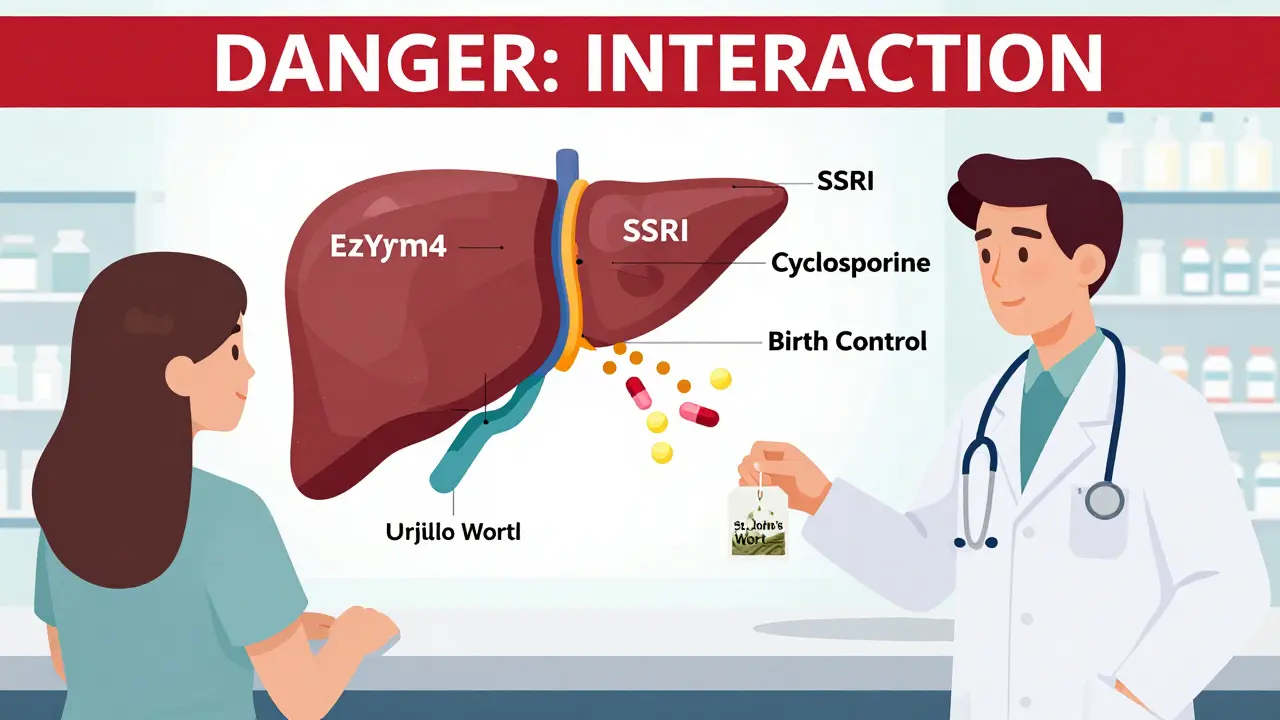
What to Do If You Drink Herbal Teas and Take Meds
You don’t have to give up herbal tea entirely. But you need to be smart about it.- Make a list. Write down every tea you drink, how often, and how strong. Include blends like “calm” or “digestive” teas-they often contain multiple herbs.
- Bring it to every appointment. Don’t wait for your doctor to ask. Say, “I drink this tea every night. Is it safe with my meds?”
- Avoid teas if you’re on narrow-therapeutic-index drugs. These include warfarin, digoxin, cyclosporine, theophylline, and lithium. Even small changes in their levels can be life-threatening.
- Don’t trust marketing. “Immunity boost,” “natural energy,” or “detox” teas often contain hidden herbs like echinacea, licorice, or senna. These can interfere with your meds.
- When in doubt, skip it. If you’re unsure whether a tea is safe, wait. There’s no rush. Your health isn’t a gamble.
What About Regular Tea?
Black, green, white, and oolong teas come from the Camellia sinensis plant. They contain caffeine and catechins, which can also interact with medications. Green tea, in particular, is the biggest concern because of its high EGCG content. But even regular black tea can reduce the absorption of iron supplements and some antibiotics like tetracycline. If you’re on medications, limit green tea to one cup a day-or avoid it entirely. Switch to rooibos, peppermint, or ginger tea if you want flavor without risk.Bottom Line: Natural Doesn’t Mean Safe
The FDA says it clearly: “Natural does not mean safe.” Herbal teas are powerful. They’re not harmless background noise in your health routine. They’re active ingredients that can change how your body responds to life-saving drugs. If you’re on medication, your herbal tea isn’t just a comfort. It’s a variable in your treatment plan. Treat it like one.Ask your pharmacist. Ask your doctor. Bring your tea bag or bottle to your next visit. Better yet, write down the ingredients and show them. It’s not about being paranoid. It’s about being informed.
Can I drink chamomile tea while on birth control?
It’s not recommended. Chamomile may interfere with how your body breaks down hormones in birth control pills, potentially reducing their effectiveness. While human studies are limited, the risk is real enough to warrant caution. Switch to a non-herbal sleep aid or talk to your doctor about switching contraceptive methods if you drink chamomile tea regularly.
Is green tea safe with statins?
No, not if you’re taking atorvastatin or simvastatin. Green tea can reduce blood levels of these drugs by up to 39%, making them less effective at lowering cholesterol. Even one cup a day may affect absorption. If you want to keep drinking green tea, talk to your doctor about switching to a statin less affected by tea, like rosuvastatin.
Can hibiscus tea lower my blood pressure too much?
Yes, especially if you’re already on ACE inhibitors like lisinopril or enalapril. Hibiscus tea works similarly to these drugs by relaxing blood vessels. Combining them can cause your blood pressure to drop dangerously low-below 90 mmHg systolic. Symptoms include dizziness, fainting, and fatigue. Monitor your pressure closely or avoid the tea entirely.
Does St. John’s wort tea interact with antidepressants?
Absolutely. St. John’s wort speeds up the liver’s breakdown of many antidepressants, including SSRIs like sertraline and fluoxetine. This can cause your medication to stop working, leading to a return of depression symptoms. It can also trigger serotonin syndrome-a dangerous condition. Avoid St. John’s wort tea completely if you’re on any antidepressant.
What herbal teas are safest with medications?
Rooibos, peppermint, and ginger teas (in moderation) are generally low-risk for most medications. They don’t contain compounds known to interfere with liver enzymes or drug transporters. But even these aren’t 100% risk-free if you’re on multiple drugs or have kidney/liver issues. Always check with your provider before adding any new tea to your routine.
Why don’t doctors always warn patients about herbal teas?
Many doctors don’t ask because they assume patients won’t volunteer the information. Patients often don’t consider tea a “supplement.” Research shows only 25% of people disclose herbal tea use to their providers. The burden is on you to bring it up. Don’t wait for them to ask-lead with it.
Are herbal tea bags safer than supplements?
Generally, yes. Brewed teas contain lower concentrations of active compounds than concentrated extracts or pills. But strong, long-steeped teas can still deliver enough potency to cause interactions-especially with green tea, hibiscus, or St. John’s wort. Don’t assume tea is safe just because it’s less concentrated.
Can I drink herbal tea while on blood thinners?
Avoid teas with antiplatelet effects: ginkgo, ginger, chamomile, garlic, and ginseng. Even small amounts can increase bleeding risk when combined with warfarin, aspirin, or clopidogrel. Rooibos and peppermint are safer choices. Always monitor your INR levels closely if you’re on warfarin and consume any herbal tea.
If you’re taking any medication, your herbal tea isn’t just a comforting ritual-it’s part of your treatment plan. Know what’s in your cup. Ask your doctor. And don’t let “natural” fool you into thinking it’s harmless.
Oladeji Omobolaji
January 22, 2026 AT 15:58man i just drink chamomile to sleep and now you telling me it might mess with my birth control? i didn’t even know tea could do that. guess i’m switching to plain hot water with honey.
Susannah Green
January 24, 2026 AT 15:56Green tea and statins? That’s not even close to the worst. I’ve seen patients on warfarin drink ginkgo tea daily and end up in the ER with a subdural hematoma. No joke. The herbals are not ‘natural remedies’-they’re unregulated pharmacologically active substances. If it’s in your tea, it’s in your bloodstream. Period.
Vanessa Barber
January 25, 2026 AT 02:22so… what’s the deal with peppermint tea? i drink it every morning. is it gonna kill me? or is this just fearmongering disguised as science?
Sue Stone
January 26, 2026 AT 06:47my grandma drank hibiscus tea every day and lived to 92. she was on blood pressure meds too. maybe it’s not as scary as they say?
Kerry Evans
January 27, 2026 AT 21:36People treat herbal tea like it’s harmless because it’s ‘natural.’ That’s the same logic that got them taking vitamin C for COVID. You wouldn’t pour gasoline into your car’s fuel tank because it’s ‘natural oil,’ so why do you think your liver is any different? Stop romanticizing plants.
dana torgersen
January 28, 2026 AT 07:29st. john's wort… i thought it was just for depression… wait… so it can make my antidepressants useless? like… literally? oh my god. i’ve been drinking that for months. i think i need to go to the pharmacy right now.
Stacy Thomes
January 29, 2026 AT 14:04THIS IS SO IMPORTANT. I’M SO GLAD SOMEONE FINALLY SAID THIS. I’M ON LITHIUM AND I DRANK GINSENG TEA BECAUSE I THOUGHT IT WAS ‘ENERGIZING.’ I ENDED UP IN THE HOSPITAL. YOU ARE NOT ALONE. TELL YOUR DOCTOR. NOW.
Kerry Moore
January 30, 2026 AT 05:39It is worth noting that the pharmacokinetic interactions described are well-documented in peer-reviewed literature, particularly in clinical pharmacology journals such as the Journal of Clinical Pharmacology and the British Journal of Clinical Pharmacology. The mechanisms-CYP450 modulation, P-glycoprotein inhibition-are consistent across multiple studies. The risk is not theoretical; it is quantifiable and clinically significant.
Laura Rice
February 1, 2026 AT 02:45ok but like… what if i just drink one cup a week? is it still a problem? i don’t want to give up my cozy rituals… but i also don’t want to die. can we have a middle ground? i’m just trying to survive and have tea at night. help.
Janet King
February 2, 2026 AT 21:38Always tell your doctor. Always write it down. Always bring the tea bag. Your doctor can’t help if they don’t know. Simple as that.
Dawson Taylor
February 4, 2026 AT 05:52There is no such thing as ‘natural’ in biology. All substances are chemicals. The distinction between ‘drug’ and ‘herb’ is administrative, not physiological. Your liver does not care if it came from a pharmacy or a garden. It only cares about molecular structure. This is not a debate. It is chemistry.
Anna Pryde-Smith
February 5, 2026 AT 12:55I’ve been telling people this for years and no one listens. Then someone gets hospitalized and suddenly it’s ‘oh my god I had no idea.’ Well now you know. Don’t be that person. Don’t be the one who says ‘but it’s just tea’ after they almost died. Wake up.