Recent Authorized Generic Approvals: Current Options and Market Trends
 Jan, 29 2026
What Are Authorized Generics, Really?
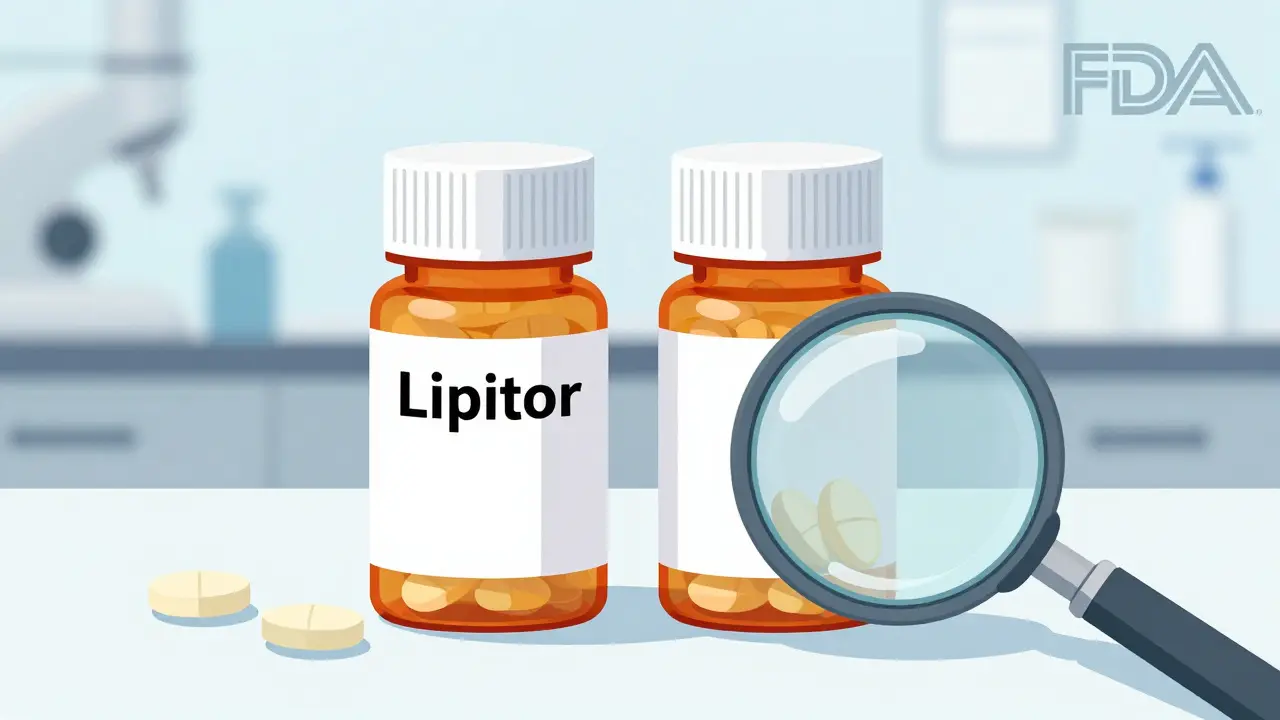
An authorized generic isn’t just another cheap version of a brand-name drug. It’s the exact same pill, capsule, or injection-same active ingredients, same inactive fillers, same manufacturing process-but sold under a different label. The brand-name company itself, or one of its affiliates, makes it. The FDA defines it as a drug approved under the original New Drug Application (NDA) but marketed without the brand name, logo, or packaging. That means if you’re taking a brand-name drug like Lipitor, and you switch to its authorized generic, you’re getting the exact same medicine your doctor prescribed. No guesswork. No formulation changes. Just a lower price.
Why Authorized Generics Are Different From Regular Generics
Regular generics go through an Abbreviated New Drug Application (ANDA). They have to prove they’re bioequivalent to the brand, but they can use different fillers, dyes, or coatings. That’s usually fine. But for some drugs-especially those with a narrow therapeutic index like warfarin, levothyroxine, or seizure meds-even tiny differences in inactive ingredients can cause problems. That’s where authorized generics shine. They don’t need bioequivalence studies because they’re made on the same line, by the same team, using the same recipe. The FDA gives them an ‘A’ rating in the Orange Book, meaning they’re therapeutically identical.
Take sertraline. A patient on Zoloft switched to a regular generic and started feeling jittery. The fillers were different. When they switched to Pfizer’s authorized generic of sertraline, the side effects vanished. That’s not anecdotal-it’s documented. A 2024 JAMA study found authorized generics held 15-20% market share within six months, while traditional generics hovered around 8-12%. Why? Doctors trust them more.
What’s New in 2025? Only Two Approvals
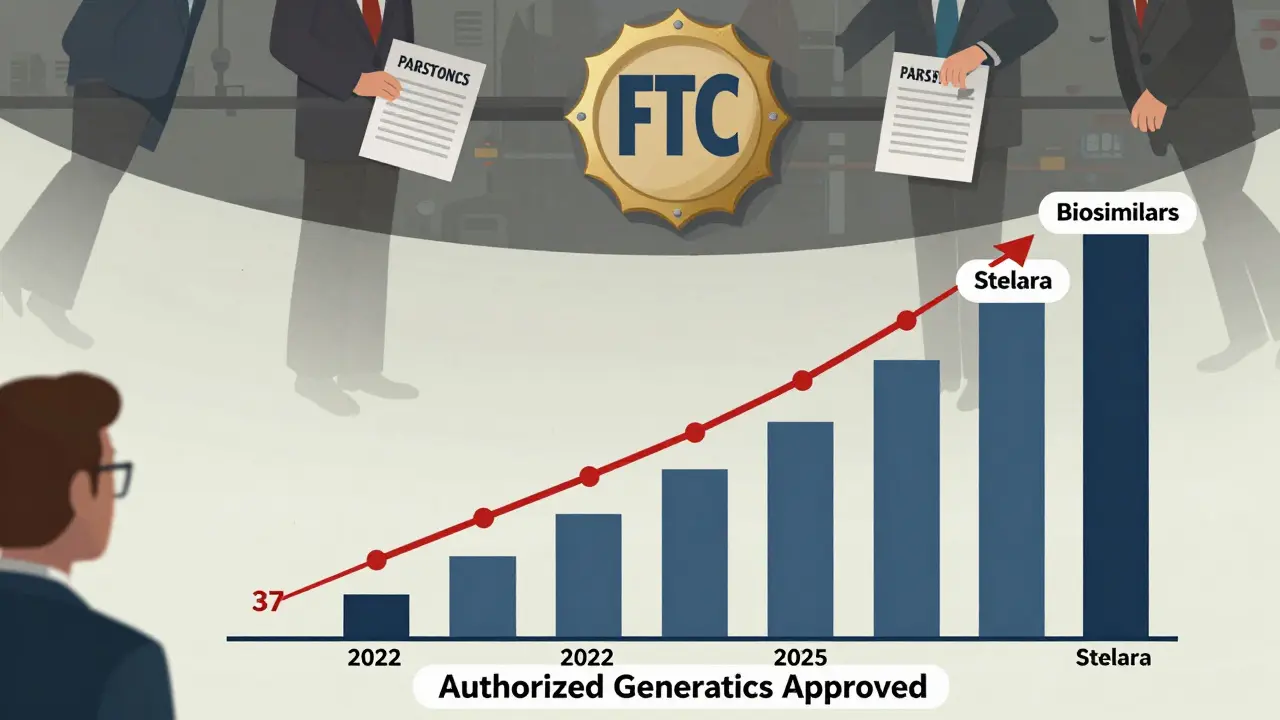
As of October 2025, the FDA added just two new authorized generics to its official list: a version of Xyrem (sodium oxybate) from Jazz Pharmaceuticals and a version of Trulance (plecanatide) from Ironwood Pharmaceuticals. That’s it. Only two. Compare that to 2022, when 37 new authorized generics hit the market. In 2025, there were just 12 total. That’s a 68% drop in three years.
Why the decline? The Federal Trade Commission (FTC) cracked down on ‘pay-for-delay’ deals. Brand companies used to pay generic makers to delay launching cheaper versions. Then they’d roll out their own authorized generic to keep profits high while pretending to support competition. The FTC called it out. Teva paid $1.2 billion in 2023 for doing this with Copaxone. Now, brand companies are avoiding the legal risk. Instead, they’re focusing on biosimilars.
Biosimilars Are Taking Over-And That’s Not a Good Thing for Patients
In 2025, five interchangeable biosimilars to Stelara (ustekinumab) were approved: Otulfi, Selarsdi, Yesintek, Pyzchiva, and one more. These are not authorized generics. They’re complex biological products that require years of testing to prove they’re ‘similar’ to the original. Even then, they’re not identical. They can have different side effect profiles. They’re often priced 15-30% below the brand, not 80% like traditional generics.
Meanwhile, authorized generics of Stelara? None. Zero. The brand company chose to fight generic competition with biosimilars instead. Why? Because biosimilars are harder to copy, harder to replace, and they let the brand keep control of the market. For patients, it means less price pressure. For the system, it means more complexity and higher costs.
Why Authorized Generics Are Still Worth Knowing About
Just because they’re rare doesn’t mean they’re useless. For drugs where even small formulation changes can cause harm, authorized generics are the gold standard. Think epilepsy meds, thyroid hormone, blood thinners, and some psychiatric drugs. If your doctor says, ‘Stick with the brand,’ ask if there’s an authorized generic. It’s the closest thing to the original without the brand markup.
Take Lyrica (pregabalin). The authorized generic has a 4.2/5 rating on Drugs.com. Sixty-eight percent of users say it’s identical to the brand. But here’s the catch: 78% say it’s only $5 cheaper than the brand at their pharmacy. Why? Because insurance companies and PBMs don’t prioritize them. They negotiate rebates with traditional generic makers. So even if the authorized generic is better, your plan might not cover it.
How to Spot an Authorized Generic
Good luck. They’re not labeled as such. No one advertises them. Pharmacists often can’t tell them apart from regular generics. A 2025 survey of over 2,300 pharmacists found 63% couldn’t reliably identify an authorized generic without checking the FDA’s Orange Book. That’s a problem. Patients get counseling they don’t need. Others get switched to inferior generics without realizing it.
Here’s how to check: Go to the FDA’s List of Authorized Generics (updated October 2025). Search by brand name. If you see your drug listed with a different manufacturer name but the same active ingredient, you’ve found it. Ask your pharmacist: ‘Is there an authorized generic for this?’ Don’t settle for ‘We have a generic.’ Ask for the exact match.
The Price Problem: They’re Not Always Cheap
Here’s the harsh truth: authorized generics don’t always save you money. Because they’re made by the brand company, they often launch at 10-15% below the brand price. Traditional generics? They can be 80% cheaper. So if your goal is to save the most, a regular generic might be better-unless you’re sensitive to formulation changes.
And insurance? It gets messy. Blue Cross Blue Shield recently dropped coverage for the authorized generic of Jardiance, even though it’s identical to the brand. Why? Their pharmacy benefit manager (PBM) got a bigger rebate from the maker of the traditional generic. So patients had to pay more for the identical drug. That’s not a pricing issue. It’s a system issue.
What’s Coming Next? The RELIEF Act Could Change Everything
There’s a bill in Congress called the RELIEF Act (H.R. 4086), introduced in May 2025. It would require authorized generics to be priced at the same level as traditional generics. No more ‘slightly cheaper’ trick. If passed, brand companies would lose their last financial incentive to make authorized generics. That could mean even fewer of them.
Some experts, like Dr. Aaron Kesselheim at Harvard, argue that’s a bad idea. ‘Authorized generics are a patient safety tool,’ he says. ‘They’re underused for drugs where consistency matters.’ But others say the market doesn’t need them anymore. With biosimilars and more ANDA approvals, the system is shifting. Authorized generics are becoming a relic.
What Should You Do?
- If you’re on a drug with a narrow therapeutic index, ask your doctor if an authorized generic exists.
- Always ask your pharmacist: ‘Is this an authorized generic?’ Don’t assume.
- Check the FDA’s authorized generics list yourself. It’s free and updated quarterly.
- If your insurance won’t cover the authorized generic, ask for a prior authorization. Cite therapeutic equivalence.
- Don’t assume cheaper = better. Sometimes, identical is worth the extra few dollars.
The days of authorized generics booming are over. But for some patients, they’re still the safest, most predictable option. Knowing how to find them-and how to ask for them-could make a real difference in how you feel every day.
Are authorized generics the same as brand-name drugs?
Yes. Authorized generics are manufactured by the same company that makes the brand-name drug, using the exact same formula, ingredients, and production process. The only differences are the label, packaging, and sometimes the name. They’re not just similar-they’re identical.
Why are authorized generics more expensive than regular generics?
Because they’re made by the brand company, they often launch at a price only 10-15% lower than the brand. Regular generics, made by independent manufacturers, can drop to 80% below brand price. Authorized generics aren’t designed to be the cheapest-they’re designed to be the safest and most familiar.
How do I know if my prescription is an authorized generic?
Check the FDA’s official List of Authorized Generics online. Search by the brand name. If your drug appears there with a different manufacturer, it’s an authorized generic. You can also ask your pharmacist to confirm using the Orange Book. Don’t rely on the label-it won’t say ‘authorized generic.’
Can I switch from a brand to an authorized generic without side effects?
Yes, and that’s the whole point. Because the formulation is identical, switching from brand to authorized generic rarely causes side effects. Many patients report better stability when switching from a traditional generic to an authorized generic, especially with drugs like thyroid hormone, seizure meds, or antidepressants.
Why aren’t authorized generics more common today?
The FTC has cracked down on brand companies using authorized generics to delay true generic competition. In 2025, only 12 were approved, down from 37 in 2022. Companies now prefer biosimilars or patent extensions over authorized generics to protect profits. Regulatory pressure and the rise of biosimilars have made authorized generics a shrinking part of the market.
Kelly Weinhold
January 31, 2026 AT 06:26Okay but let’s be real - if your thyroid med switches from brand to generic and you start feeling like a zombie, you don’t just ‘get used to it.’ I switched to the authorized generic of levothyroxine after my endo screamed at me to stop playing Russian roulette with my metabolism. Same pill. Same results. No more heart palpitations at 3 a.m. Why are we even debating this? It’s not about cost - it’s about not feeling like you’re dying every other week.
Kimberly Reker
February 1, 2026 AT 20:33Same. My mom’s on warfarin. We used to have to get her INR checked every week because the generic kept throwing her off. Then we found the authorized version - same manufacturer, same batch code, just different packaging. INR’s been stable for 14 months. No drama. No extra visits. Just… peace. Why isn’t this the default?
Eliana Botelho
February 3, 2026 AT 07:06Ugh. So we’re supposed to trust Big Pharma now? They’re the ones who padded prices for 20 years and then started selling ‘authorized generics’ like it’s charity. It’s a loophole. They don’t care about your thyroid. They care about their stock price. If they really wanted patients to win, they’d let real generics in. Not this half-assed ‘we made it too but we’re still in charge’ nonsense.
Rob Webber
February 4, 2026 AT 14:15This whole thread is a scam. Authorized generics are just brand-name drugs with a new label so the company can pretend they’re helping while still making 90% profit. The FTC didn’t shut down pay-for-delay - they just made it look prettier. You think a company that charges $1,200 for a 30-day supply of Stelara suddenly gives a damn about your safety? Wake up. This is capitalism. Not healthcare.
Lisa McCluskey
February 5, 2026 AT 18:47Check your pharmacy’s inventory code. Authorized generics often have the same NDC as the brand but a different manufacturer code. Ask for the Orange Book listing - pharmacists can pull it up. Most don’t know it offhand, but they can find it. Don’t take ‘we have a generic’ as an answer. Ask for the exact match.
owori patrick
February 6, 2026 AT 10:27Back home in Nigeria, we don’t even get real generics sometimes. People die because they get fake meds or expired stuff. I’m grateful someone here has access to authorized generics at all. Maybe the system’s flawed, but if it’s the same pill, why not take it? We need more access, not more arguments.
Claire Wiltshire
February 8, 2026 AT 10:16It’s important to note that authorized generics are not just about price - they’re about therapeutic consistency. For patients on narrow-therapeutic-index medications, this isn’t a luxury. It’s a clinical necessity. The FDA’s Orange Book classification as ‘A’ rated is not arbitrary. It’s based on decades of pharmacokinetic data. When a patient’s condition hinges on milligram precision, identical formulation matters. Insurance rebates shouldn’t override medical safety.
Darren Gormley
February 9, 2026 AT 02:18LOL the ‘authorized generic’ is just the brand’s way of saying ‘we’ll let you buy our drug cheaper… but only if you don’t ask too many questions.’ 🤡 Meanwhile, biosimilars are the future - complex, expensive, and still controlled by the same oligopoly. This whole ‘authorized’ thing is PR with a pill bottle. Also, the RELIEF Act? Please. Congress won’t touch it. They’re too busy taking pharma cash.
Mike Rose
February 10, 2026 AT 09:46why do they even make these? just give us the cheap one. i dont care if its the same. i just want to not pay 50 bucks for a pill. this is so overcomplicated. why cant we just have cheap stuff?
Diksha Srivastava
February 10, 2026 AT 18:07My cousin’s on Keppra for seizures. Switched from brand to regular generic - had two seizures in a week. Switched to authorized generic - zero since. It’s not hype. It’s science. We need doctors and pharmacists to stop treating this like a side note. This is life or death for people.
Sidhanth SY
February 10, 2026 AT 18:08Let’s cut through the noise. The market isn’t broken - it’s rigged. Brand companies don’t want generics because generics don’t have profit margins. Authorized generics are a Band-Aid. They’re not meant to be affordable - they’re meant to look like competition while keeping control. The real solution? Force patent holders to license their formulas to independent manufacturers. Let the real generics compete. No more ‘authorized’ nonsense.
Niamh Trihy
February 12, 2026 AT 01:07My pharmacist didn’t know what an authorized generic was until I showed her the FDA list. That’s the problem. We’re relying on patients to be pharmacists. We need mandatory labeling - ‘Authorized Generic’ printed on the bottle. Not just in the Orange Book. If it’s identical, say it. Patients deserve transparency, not scavenger hunts.
Shubham Dixit
February 12, 2026 AT 10:30Let me tell you something about this so-called ‘authorized generic’ nonsense. In India, we have over 500 generic manufacturers who make drugs cheaper than water. We don’t need some American pharma company to give us a ‘same pill’ with a new label. This is colonial medicine. You pay $120 for a pill made by Pfizer’s subsidiary and call it ‘safe’? Meanwhile, in Mumbai, the same active ingredient costs $3 and is used by millions. The FDA doesn’t care about global equity. It cares about protecting American corporate profits. You call this healthcare? This is corporate welfare with a prescription pad. Stop glorifying a loophole that exists only because the system is designed to fail the poor. Authorized generics are not a solution - they’re a distraction from the real issue: drug monopolies. And until we break them, no ‘authorized’ label will save you.