Category: Health - Page 2
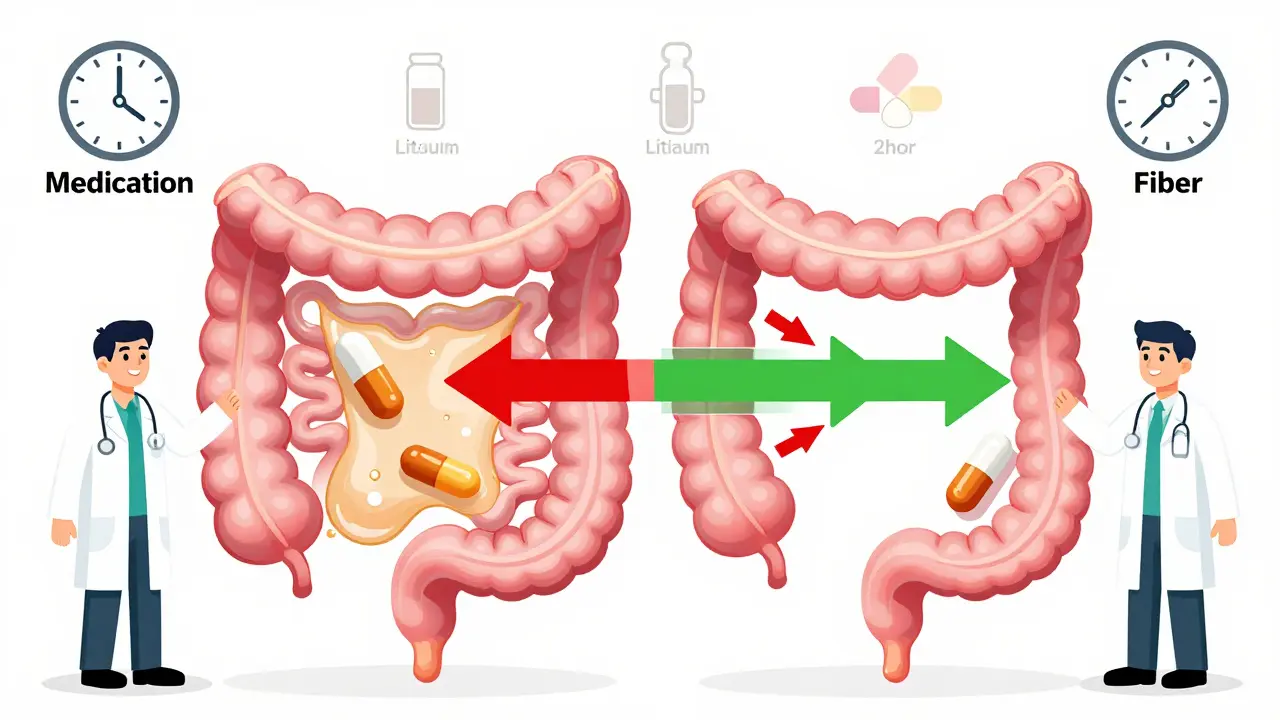
Fiber Supplements and Constipation: When to Take Them With Medications
Fiber supplements like psyllium help with constipation, but taking them at the wrong time can reduce medication effectiveness. Learn the safest timing rules, user-tested strategies, and what to avoid to stay healthy and in control.
Read More
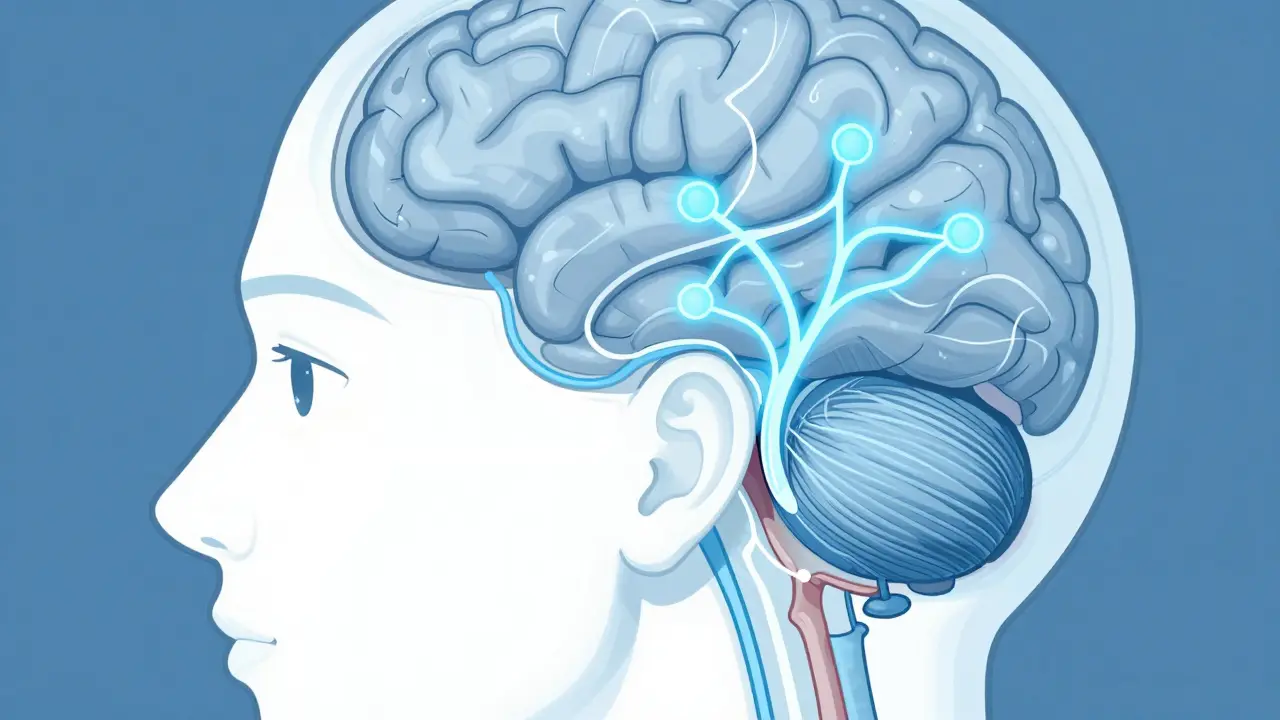
Vestibular Rehabilitation Therapy: Exercises to Prevent Falls and Improve Balance
Vestibular rehabilitation therapy (VRT) uses targeted exercises to improve balance, reduce dizziness, and prevent falls. Learn how simple daily routines can restore stability, cut fall risks by 53%, and get you back to everyday activities safely.
Read More
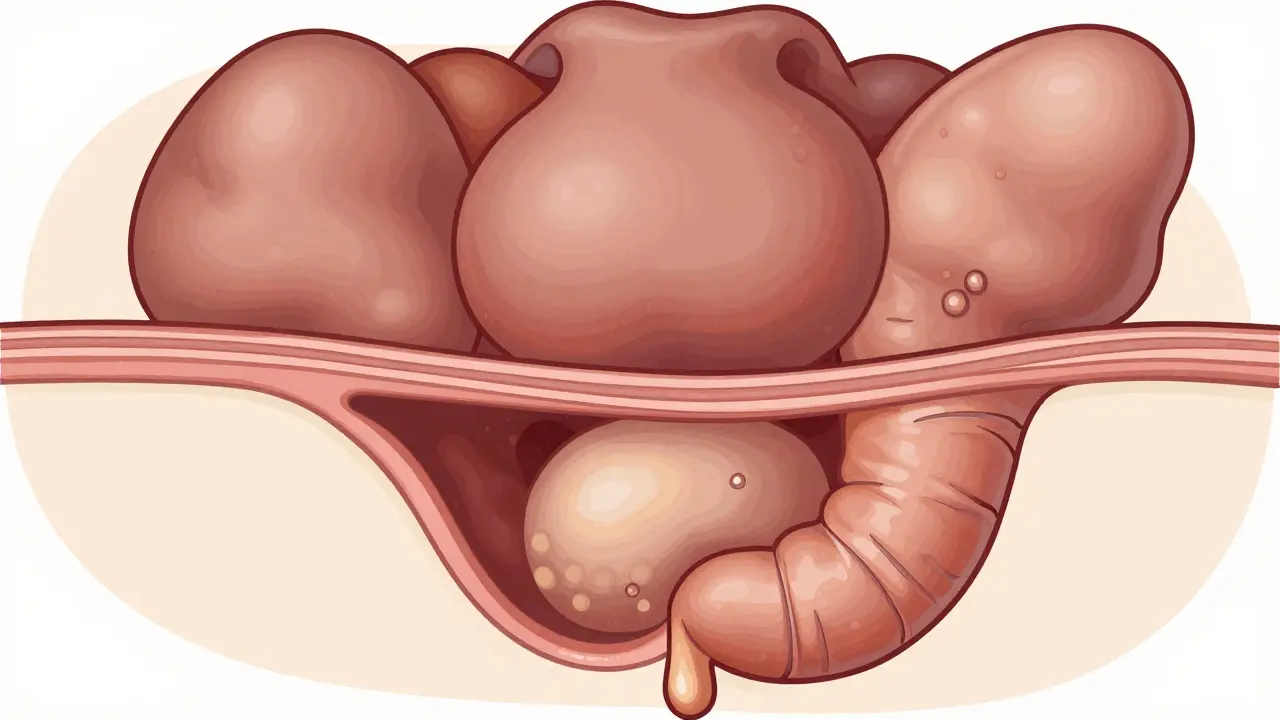
Hemorrhoids: Internal vs External Types and Treatment Options
Hemorrhoids are common but often misunderstood. This guide explains the differences between internal and external types, symptoms, and effective treatments. Learn when to seek help and how to prevent future issues with simple lifestyle changes.
Read More
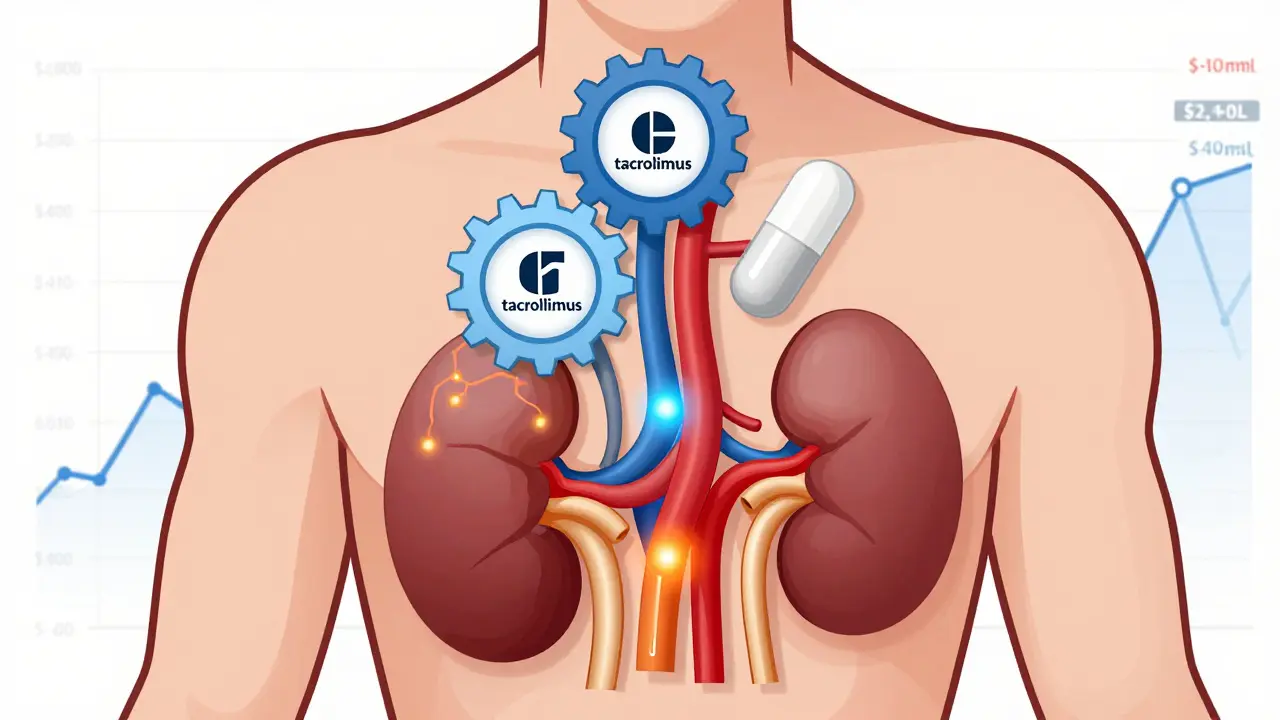
Immunosuppressive Combinations: Generic Options for Transplant Care
Generic immunosuppressants like tacrolimus and mycophenolate offer major cost savings for transplant patients without compromising outcomes-when used correctly. Learn how these combinations work, their real-world risks, and what patients need to know to stay safe.
Read More
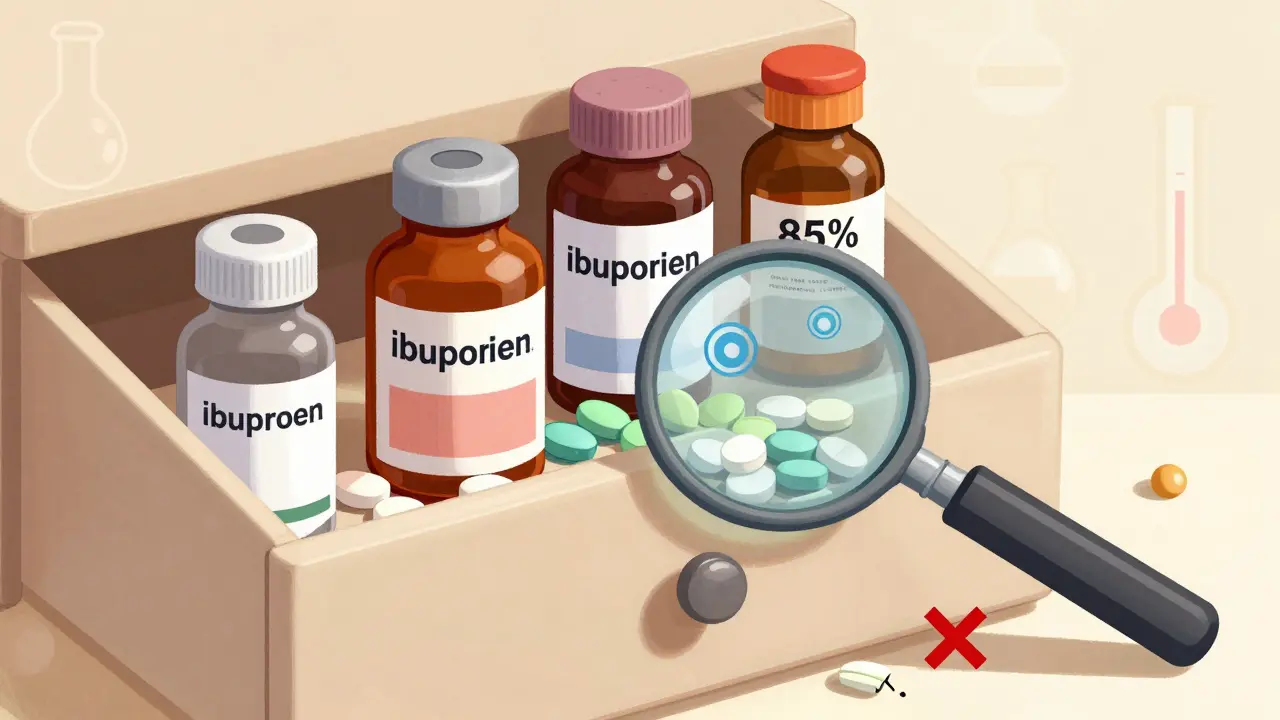
OTC Medication Expiration Dates: What Really Matters and What You Can Ignore
Expiration dates on OTC meds aren't hard deadlines - most pills are still safe and effective years later if stored properly. Learn which ones to keep and which to toss.
Read More
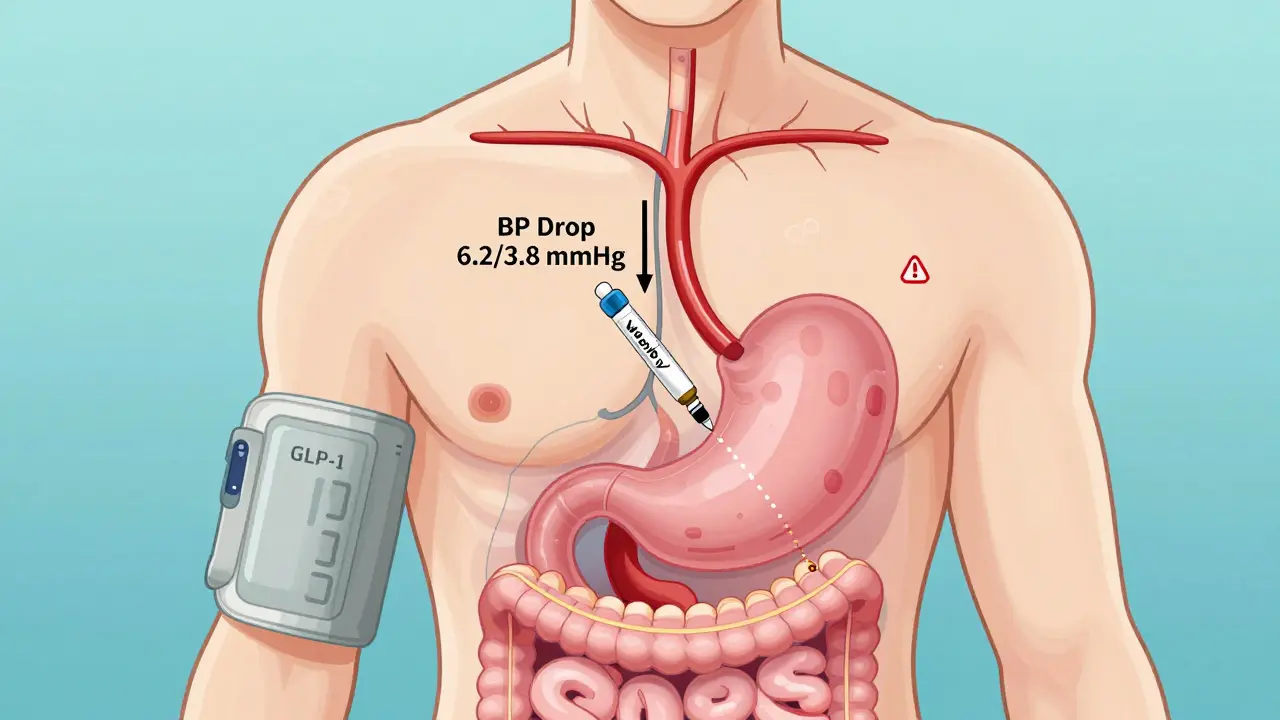
Weight Loss Medications and Their Interactions with Blood Pressure Drugs and Antidepressants
Weight loss medications like Wegovy and Saxenda can significantly lower blood pressure and interfere with antidepressant absorption. Learn how these interactions work, who’s at risk, and what steps to take to stay safe.
Read More
Recent Authorized Generic Approvals: Current Options and Market Trends
Authorized generics are identical to brand-name drugs but sold under a different label. As of 2025, only two new ones were approved. Learn why they're rare, how to find them, and when they matter most for your health.
Read More

Team-Based Care: How Multidisciplinary Teams Improve Generic Prescribing Outcomes
Team-based care improves generic prescribing by combining doctors, pharmacists, and nurses to reduce costs, prevent errors, and boost adherence. Learn how this model works, who’s involved, and why it’s transforming medication management.
Read More
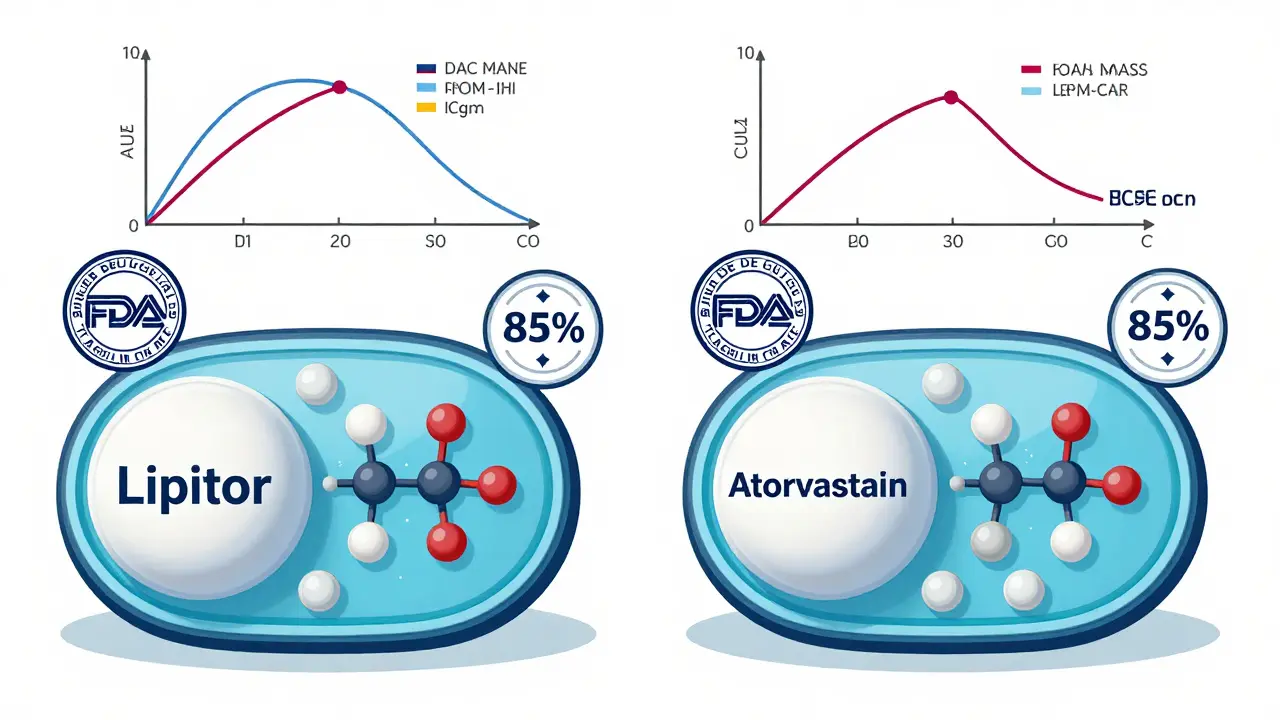
Generic Drugs: What They Are and How They Work
Generic drugs contain the same active ingredients as brand-name medications and are proven to be equally safe and effective. They cost up to 85% less and make up 90% of U.S. prescriptions. Learn how they're approved, why they're cheaper, and when to ask your doctor about switching.
Read More
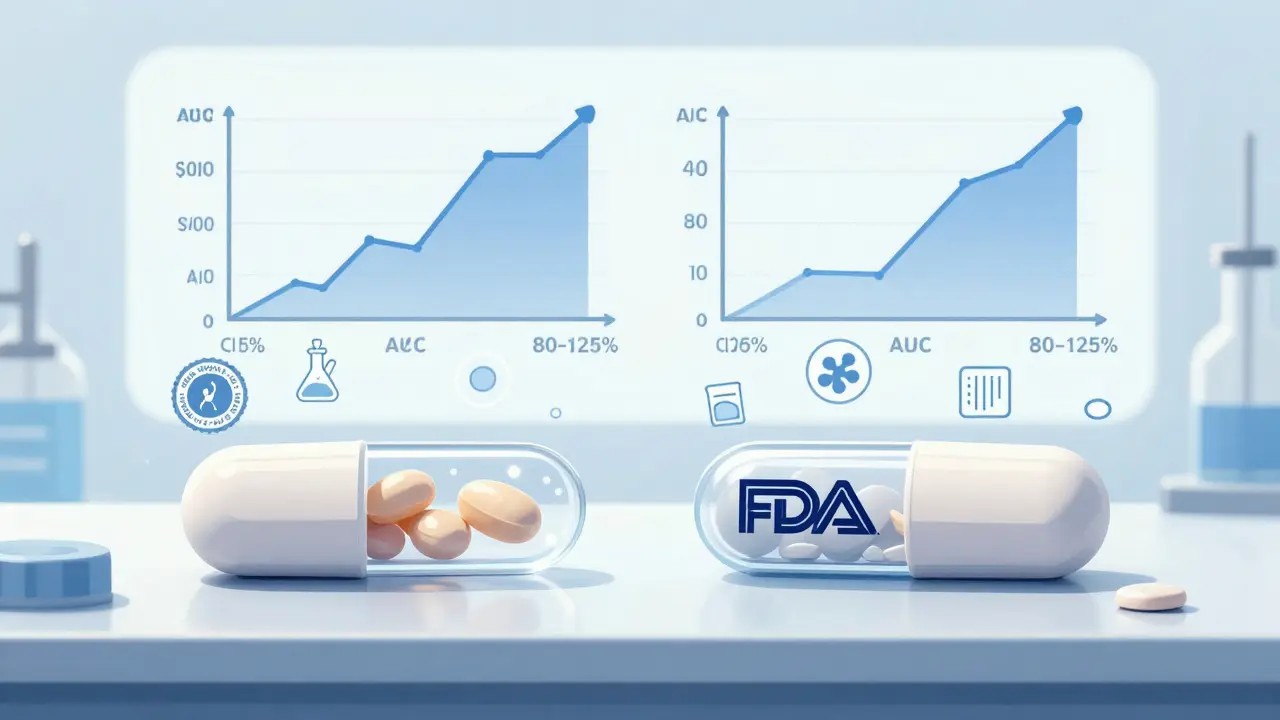
Generic Drug Quality Standards: What the FDA Requires and How Testing Works
Generic drugs must meet the same FDA standards as brand-name drugs, including bioequivalence and strict manufacturing rules. Learn how testing ensures they're safe, effective, and affordable.
Read More
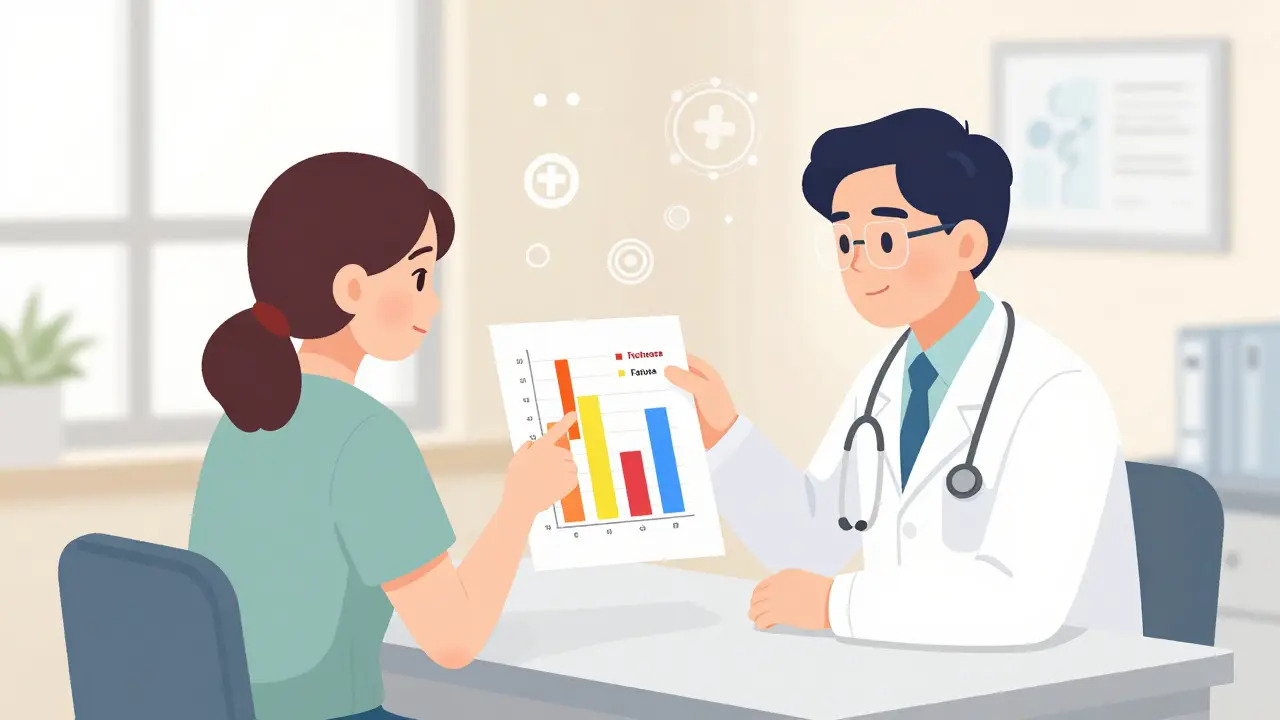
Shared Decision-Making Scripts for Side Effect Trade-Offs in Medication Choices
Shared decision-making scripts help patients and doctors weigh medication side effects together, leading to better adherence and fewer regrets. Learn how to use proven frameworks like SHARE and the three-talk model to make smarter, personalized treatment choices.
Read More
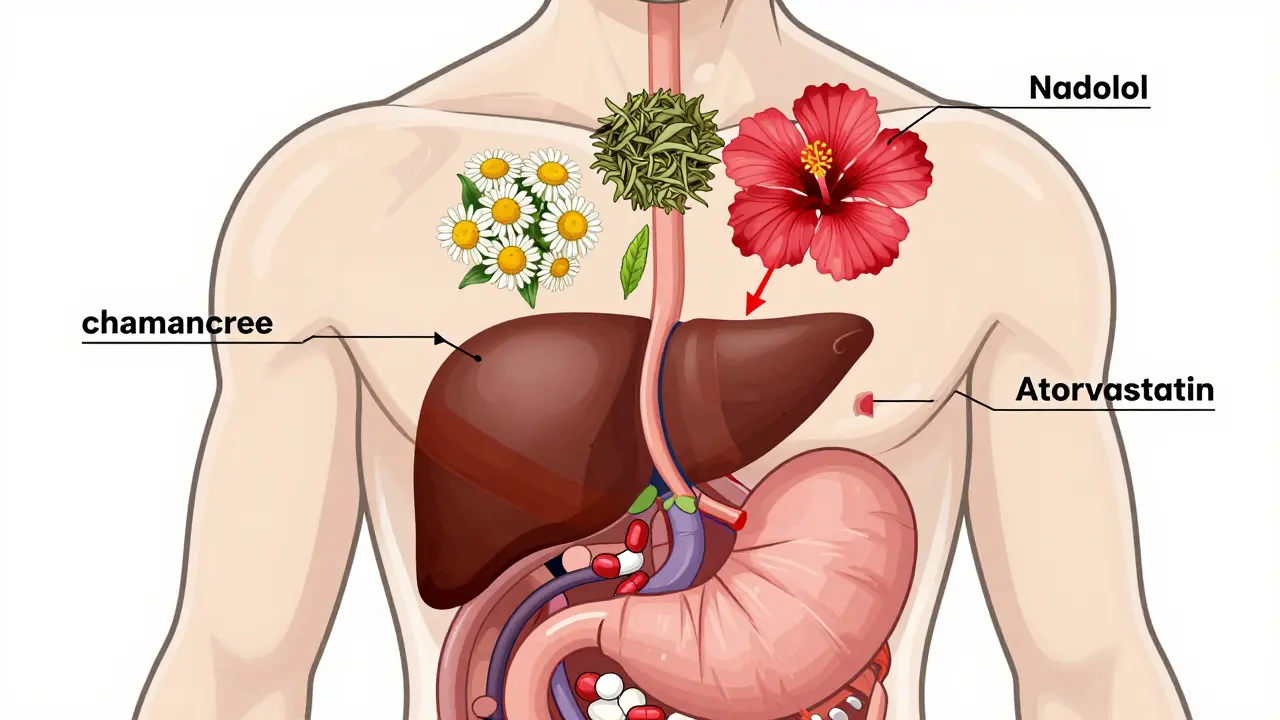
Herbal Teas and Medications: Potential Interactions to Review
Herbal teas like green, chamomile, and hibiscus can interfere with medications, reducing effectiveness or causing dangerous side effects. Learn which teas to avoid if you're on blood thinners, antidepressants, or heart meds.
Read More