Tag: generic drugs
What is an ANDA: Abbreviated New Drug Application Explained for FDA Approval
Discover what an ANDA is and how the FDA approves generic drugs. Learn the difference between ANDA and NDA, bioequivalence requirements, and the role of the Hatch-Waxman Act.
Read More
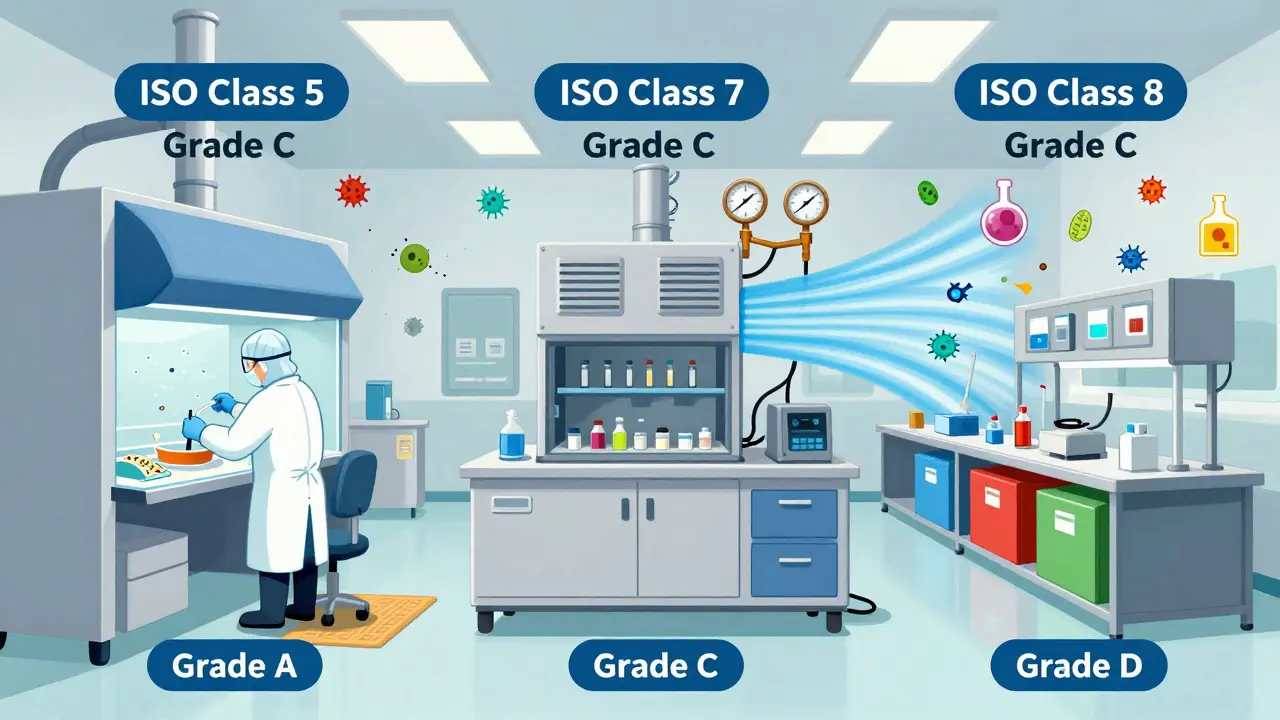
Contamination Controls: Preventing Adulteration in Generic Pharmaceuticals
Contamination in generic drug manufacturing can lead to dangerous adulteration. Learn how cleanroom standards, human factors, real-time monitoring, and regulatory rules like HBELs are shaping modern contamination controls to keep medicines safe.
Read More
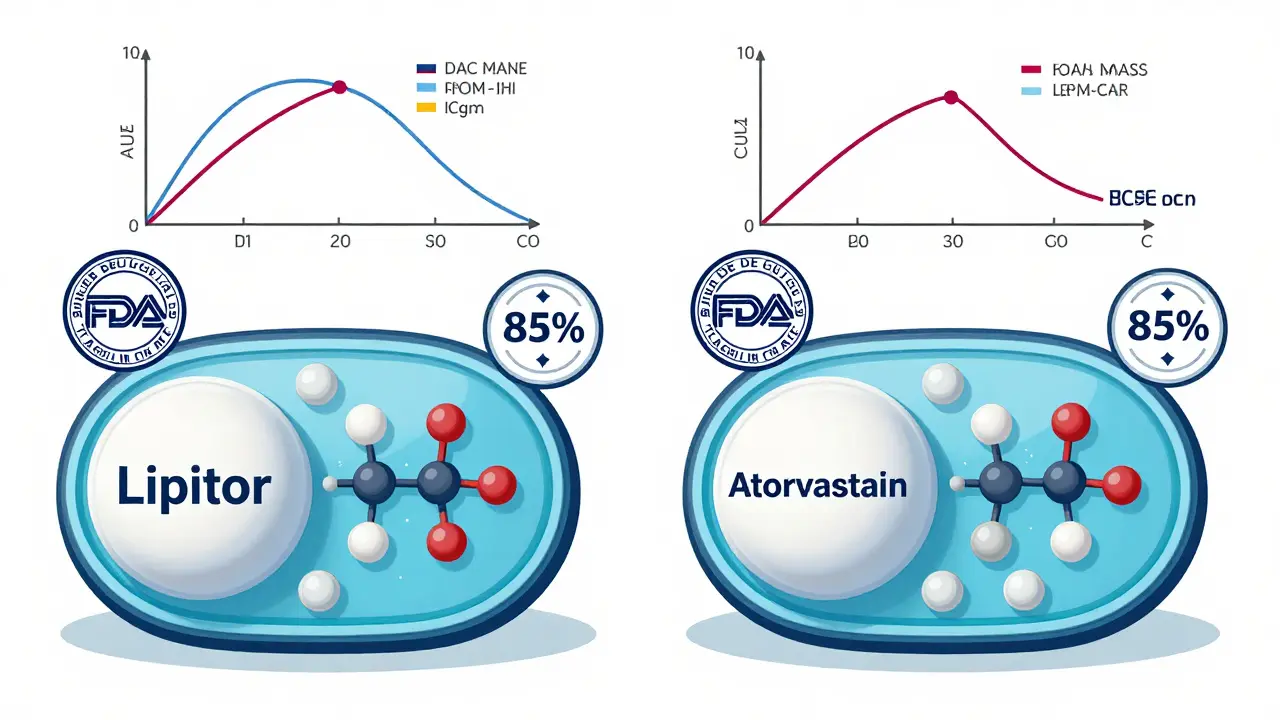
Generic Drugs: What They Are and How They Work
Generic drugs contain the same active ingredients as brand-name medications and are proven to be equally safe and effective. They cost up to 85% less and make up 90% of U.S. prescriptions. Learn how they're approved, why they're cheaper, and when to ask your doctor about switching.
Read More

Stability and Shelf Life: How Generic Products Degrade and Why Safety Depends on Testing
Generic drugs may look the same as brand-name versions, but differences in ingredients and packaging can lead to faster degradation and safety risks. Learn how stability testing protects your health and why expiration dates matter more than you think.
Read More
Why Generic Combination Products Improve Patient Compliance
Generic combination products combine multiple treatments into one easy-to-use form, improving adherence and cutting costs. Learn how they help patients stick to their regimens - and why they’re a smart choice for chronic conditions.
Read More
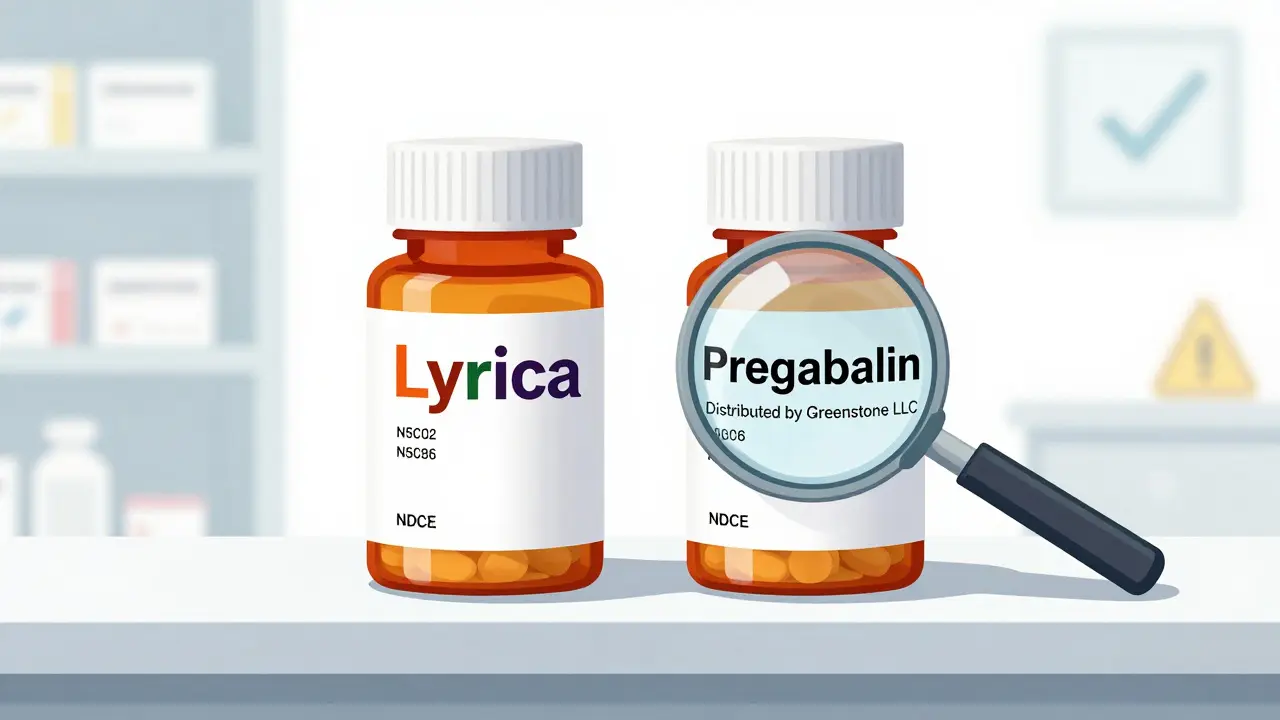
How to Identify Authorized Generics by Packaging and Labeling
Learn how to identify authorized generics by checking packaging, labeling, and NDC codes. Know the difference between authorized generics and regular generics to ensure you're getting the right medication at the right price.
Read More
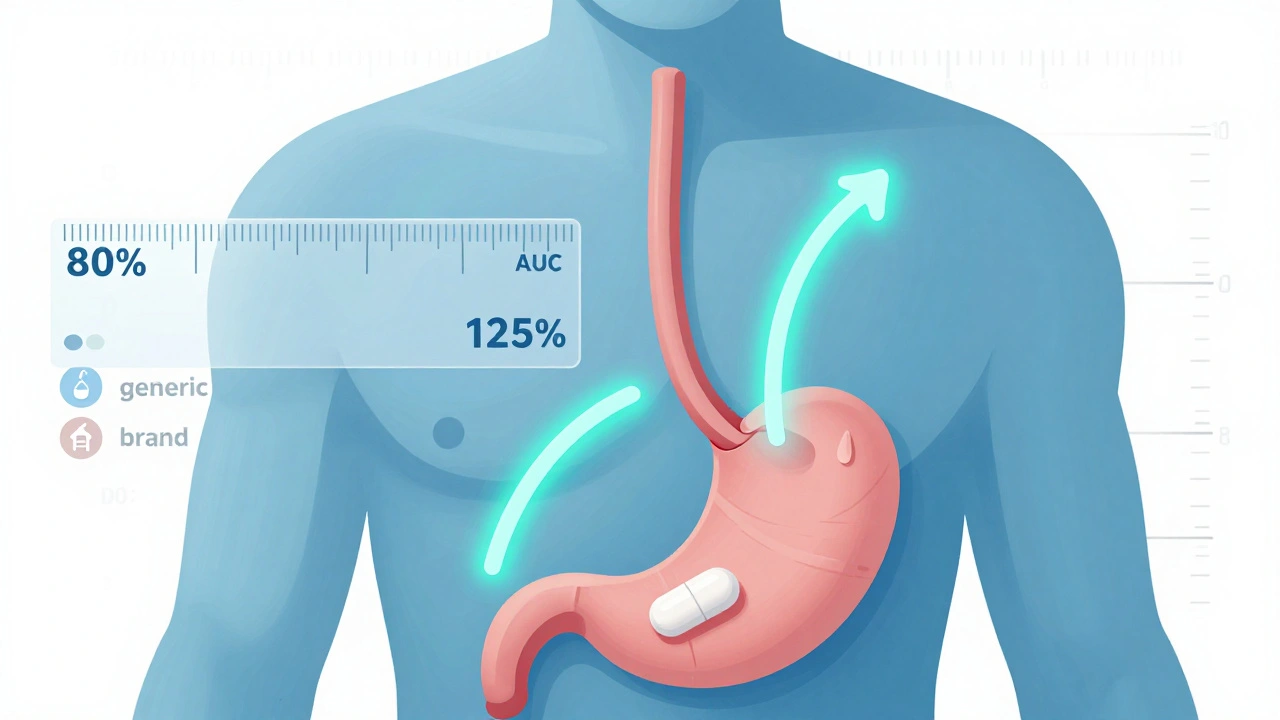
The 80-125% Rule: Understanding Bioequivalence Confidence Intervals for Generic Drugs
The 80-125% rule ensures generic drugs are absorbed the same way as brand-name versions. Learn how bioequivalence confidence intervals work, why they matter, and what the data really says about generic safety.
Read More
Insurance Coverage of Authorized Generics: How Formulary Placement Affects Costs and Access
Authorized generics offer brand-name drug effectiveness at generic prices, but insurance coverage depends on formulary placement. Learn how they work, why they’re often underused, and how to get them covered.
Read More
Generic Drug Concerns: Debunking Myths About Safety and Effectiveness
Generic drugs save billions and work just as well as brand-name versions for most people. Learn the facts behind safety myths, when to be cautious, and how to make smart choices with your prescriptions.
Read More