RSE eLearning - Page 7
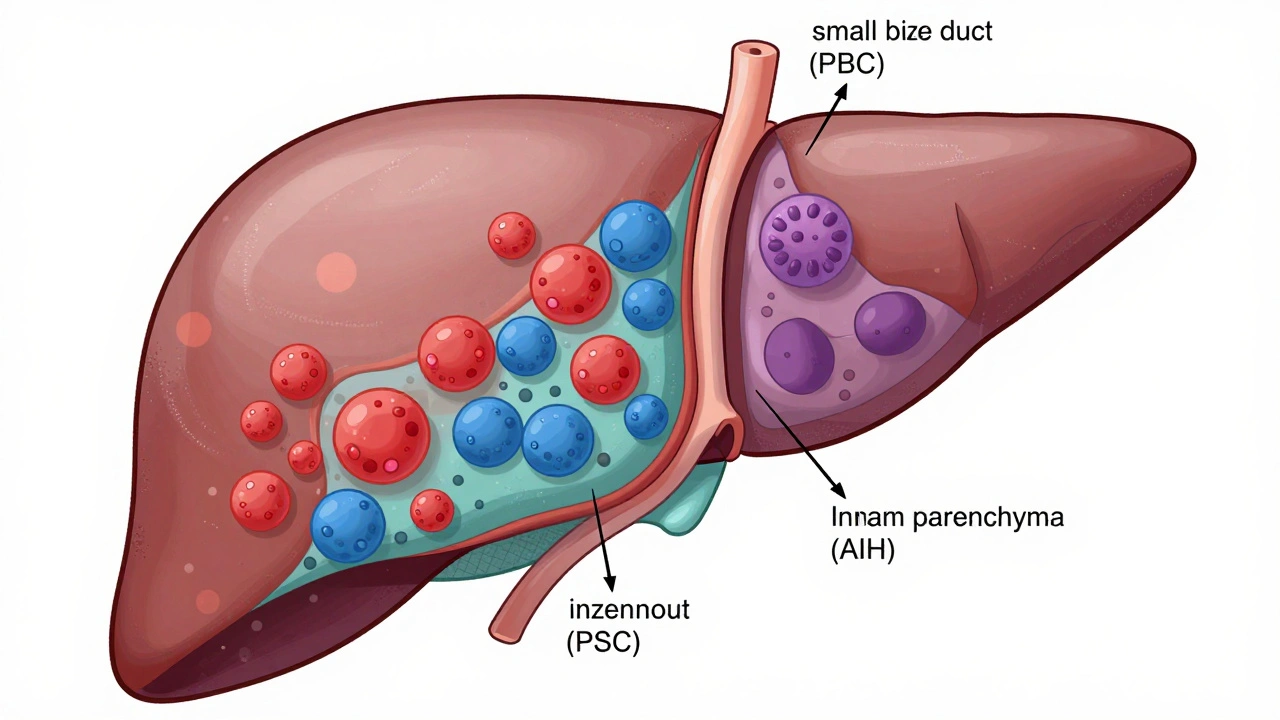
Autoimmune Overlap: Understanding PBC, PSC, and AIH Combined Features
Autoimmune overlap syndromes combine features of PBC, PSC, and AIH, requiring specialized diagnosis and dual treatment. Learn how to spot the signs and why standard therapies often fail.
Read More
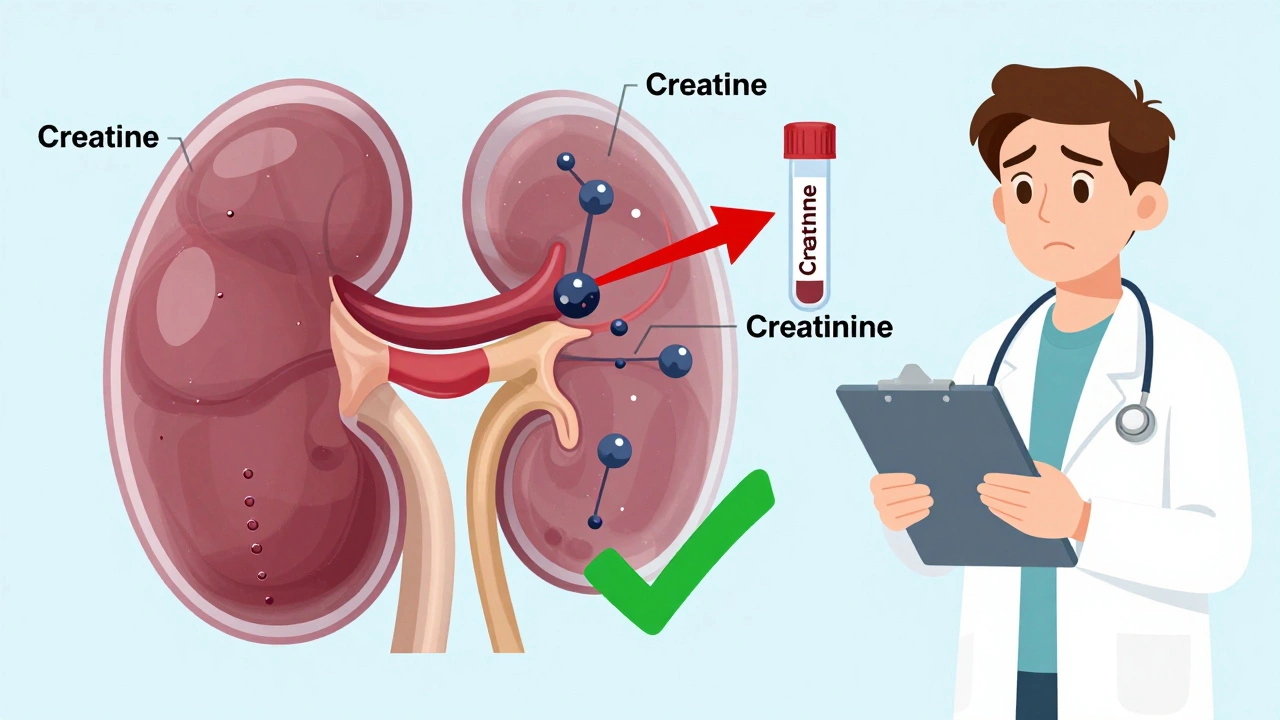
Creatine and Kidney Disease Medications: How to Monitor Renal Function Safely
Creatine can falsely raise creatinine levels, leading to misdiagnosis of kidney disease. Learn how to monitor kidney function safely if you're on kidney meds or have CKD - without stopping your supplement.
Read More
Patient Communication in Drug Shortages: What Providers Must Do
When drugs run short, providers must communicate clearly, honestly, and empathetically. Learn what patients need to hear, how to explain alternatives, and why failing to act can break trust-and risk safety.
Read More

Chinese Generic Production: Manufacturing and Quality Concerns in Global Pharma
Chinese manufacturers produce 80% of the world's generic drug ingredients, offering low prices but raising serious quality concerns. Learn how supply chain risks, regulatory gaps, and inconsistent safety standards affect the medicines you take.
Read More
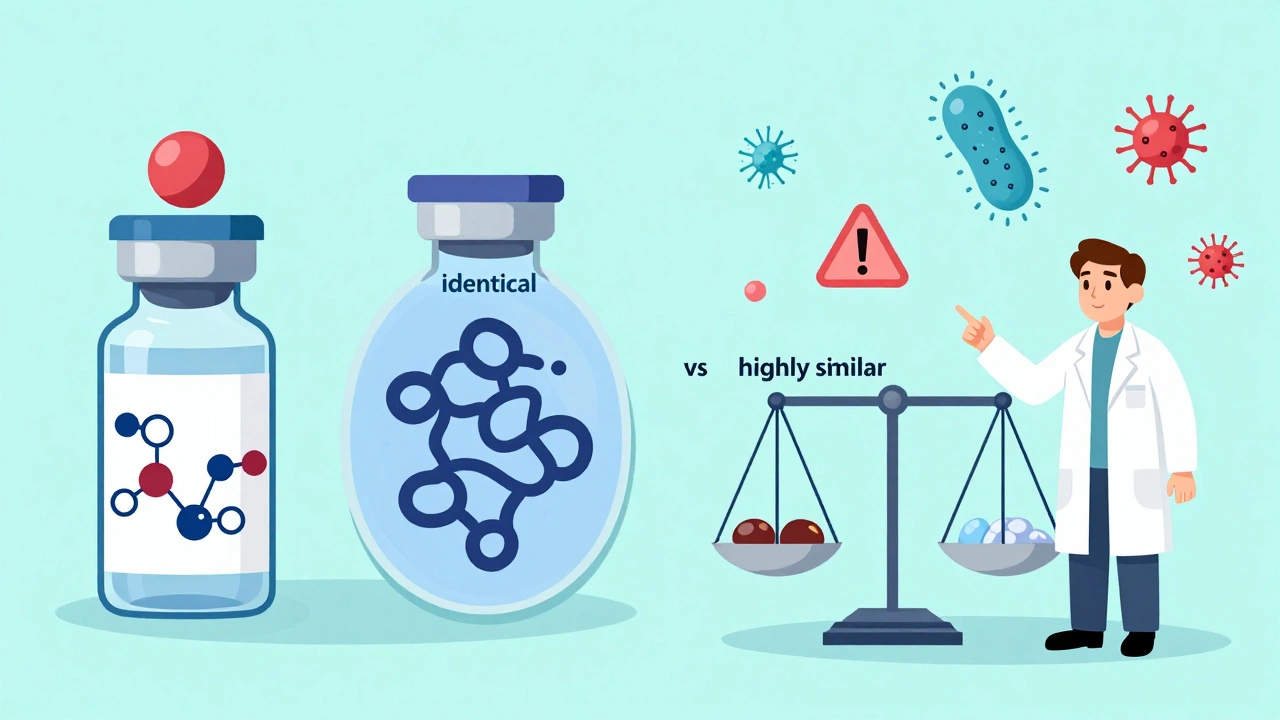
Provider Education: Understanding Biosimilar Differences
Biosimilars are not generics. They're complex biological drugs that require special understanding. Learn how they differ, why provider education matters, and how to confidently use them in practice.
Read More

Hemochromatosis: How Iron Overload Damages Your Liver and How Phlebotomy Fixes It
Hemochromatosis is a common genetic disorder that causes dangerous iron buildup, especially in the liver. Phlebotomy - regular blood removal - is the proven, low-cost treatment that can prevent cirrhosis, diabetes, and liver cancer if started early.
Read More
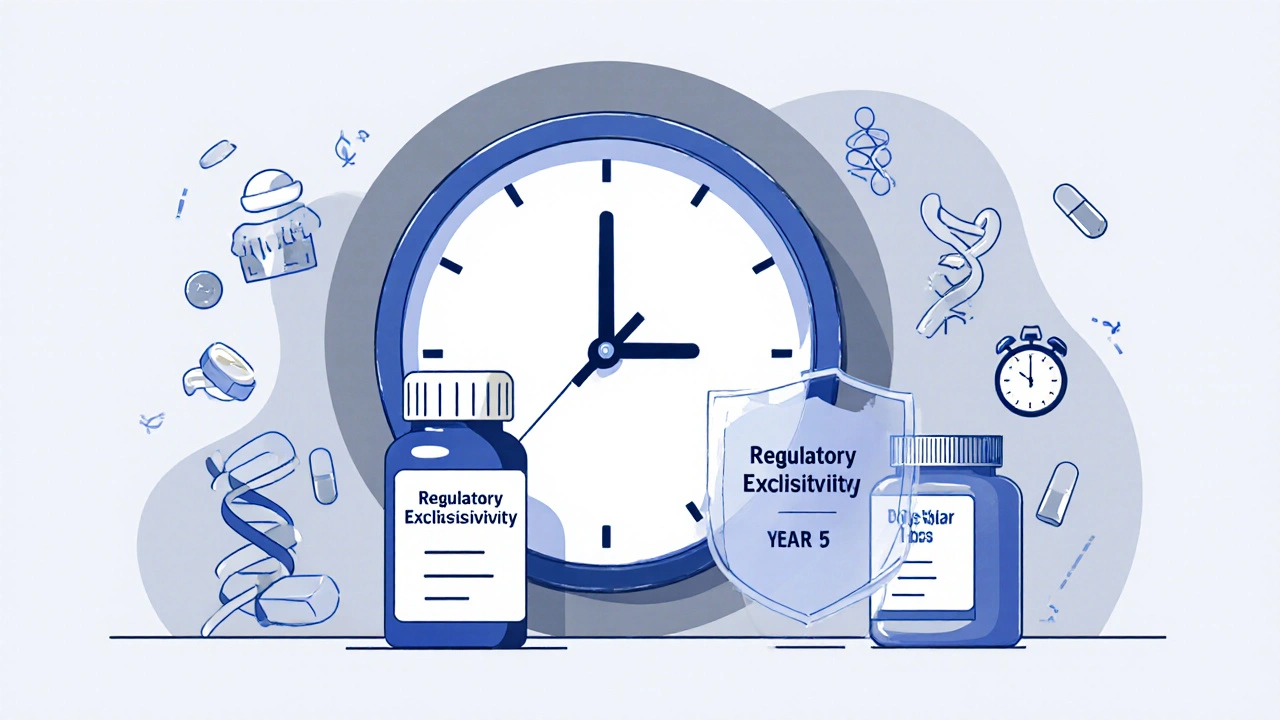
Regulatory Exclusivity: How Non-Patent Protections Delay Generic Drugs
Regulatory exclusivity is a government-granted market protection that delays generic drug approval, independent of patents. It gives drugmakers 5 to 12 years of exclusive sales rights and plays a major role in high drug prices.
Read More
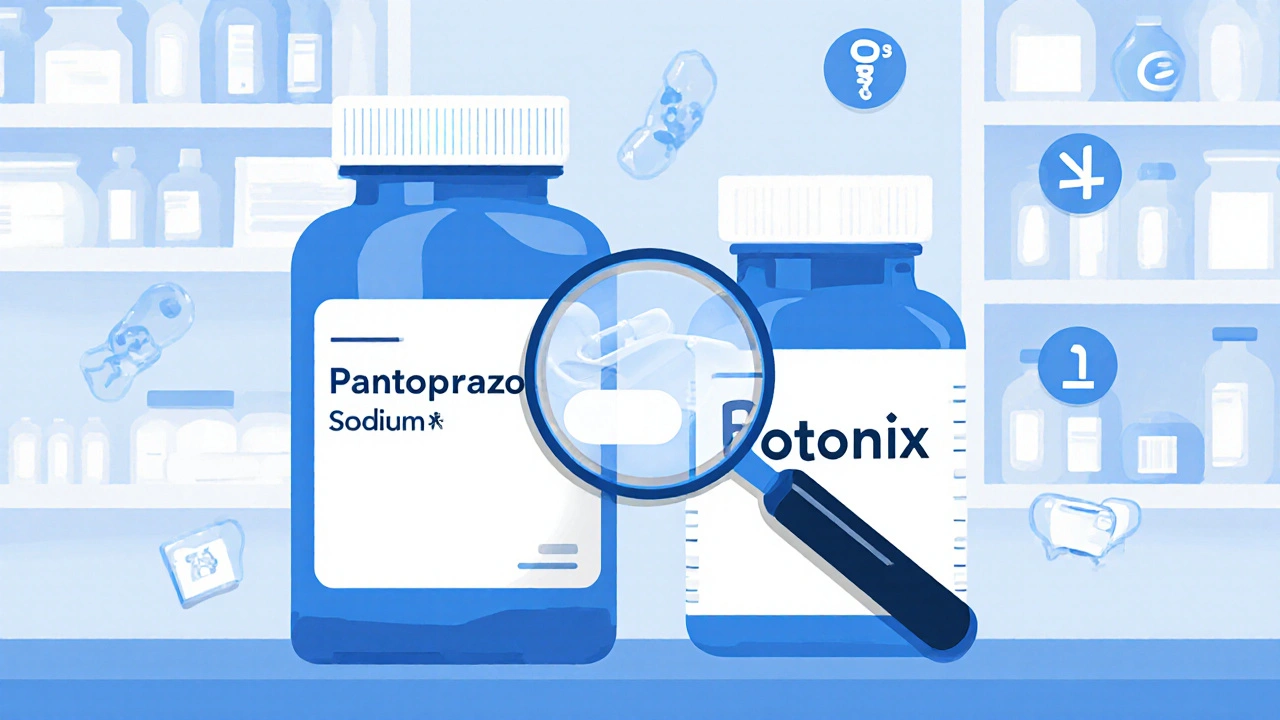
Insurance Coverage of Authorized Generics: How Formulary Placement Affects Costs and Access
Authorized generics offer brand-name drug effectiveness at generic prices, but insurance coverage depends on formulary placement. Learn how they work, why they’re often underused, and how to get them covered.
Read More

Vitamin D and Bone Health: What Really Works for Strong Bones
Vitamin D is essential for bone health, but more isn't better. Learn the real targets for blood levels, who needs supplements, and why high doses can weaken bones instead of strengthening them.
Read More
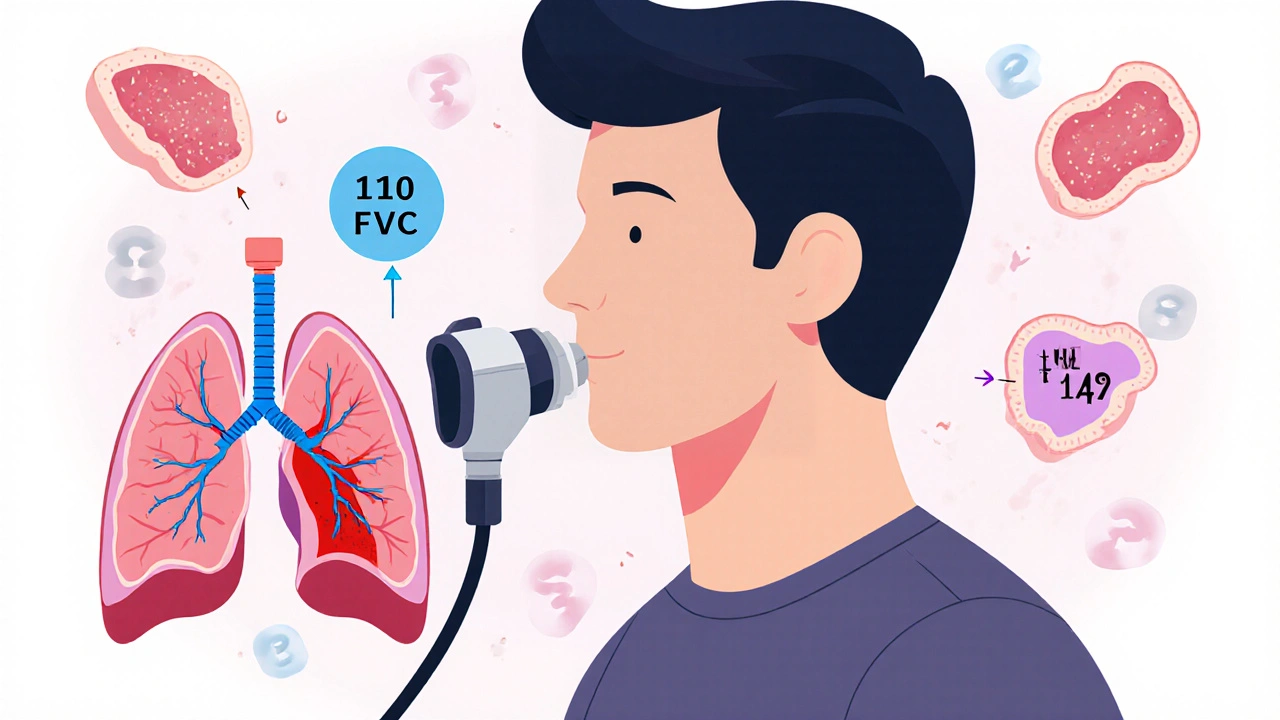
Pulmonary Function Tests: How to Interpret Spirometry and DLCO Results
Learn how to interpret spirometry and DLCO results to understand your lung health. Discover what low or high numbers mean for conditions like asthma, COPD, and pulmonary fibrosis.
Read More

How to Time Your Medications to Avoid Dangerous Drug Interactions
Learn how to space out your medications to avoid dangerous interactions and ensure your drugs work properly. Simple timing changes can prevent side effects and keep your treatment on track.
Read More
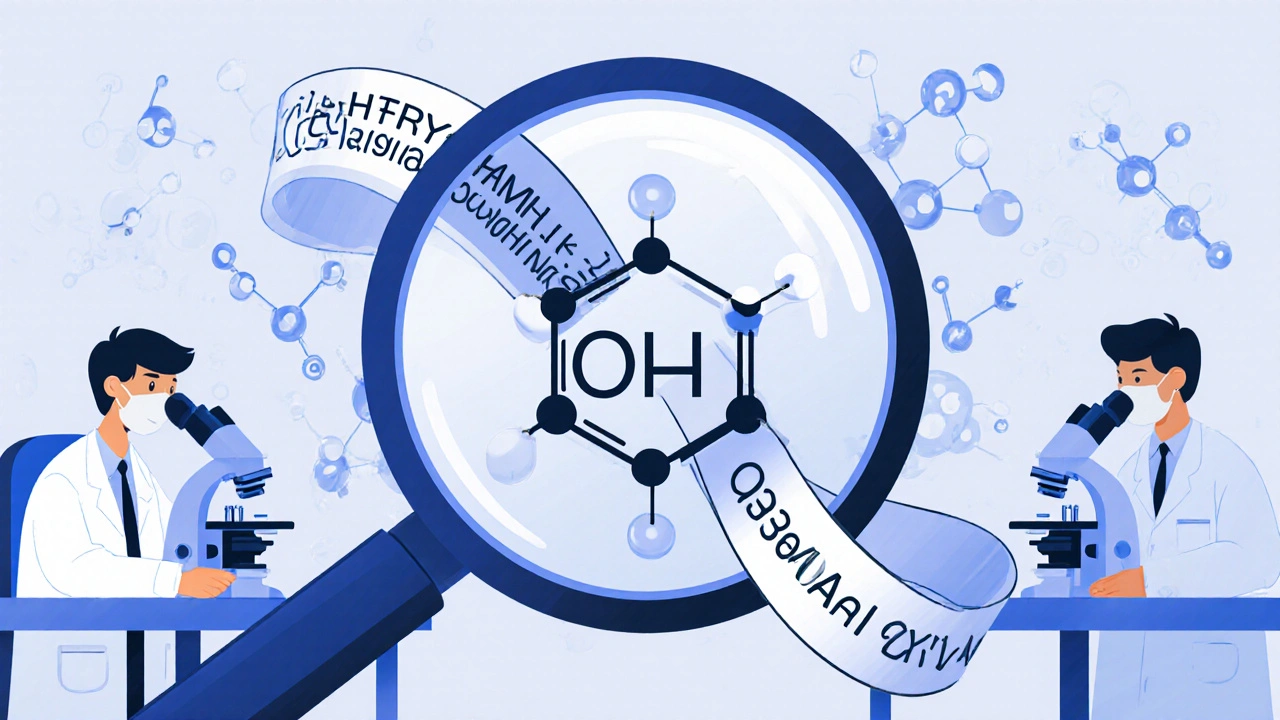
Drug Nomenclature: Chemical, Generic, and Brand Names Explained
Learn how drugs get their chemical, generic, and brand names - and why this system prevents dangerous medication errors. Understand the science behind the names on your prescriptions.
Read More