Medication-Induced Insomnia: How Drugs Disrupt Sleep and Practical Fixes
 Aug, 8 2026
Medication Sleep Impact Checker
Check Your Medication
Quick Reference Guide
- SSRIs (Prozac, Zoloft) High Risk
- Beta-Blockers (Lopressor) Medium Risk
- Corticosteroids (Prednisone) High Risk
- Stimulants (Adderall) High Risk
- Decongestants (Sudafed) Medium Risk
Analysis for:
Impact on Sleep Architecture
Reported Insomnia Rate:
Recommended Strategy
Key Statistics
- Sleep Disturbance Prevalence
- Specific Sleep Impact
- Risk Level
Note: This tool provides general information based on current medical literature. Always consult your healthcare provider before making changes to your medication regimen. Individual responses may vary.
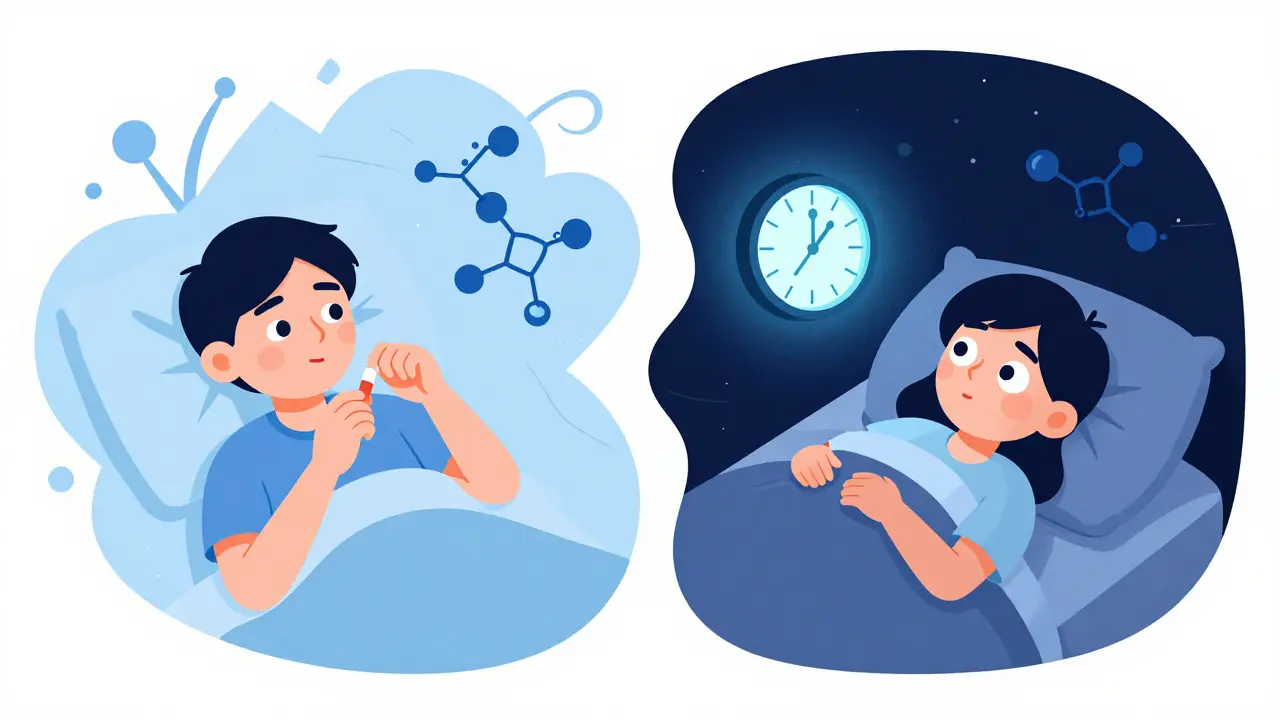
Have you ever taken a new prescription or over-the-counter pill for a legitimate health issue, only to find yourself staring at the ceiling at 3 AM? You aren't imagining it. Your medication might be keeping you awake. This phenomenon, known as medication-induced insomnia, is defined by the American Academy of Sleep Medicine as a sleep disturbance judged to be a physiological consequence of a substance that causes significant distress.
It’s a frustrating catch-22: you take medicine to feel better, but it ruins your rest, which makes you feel worse. According to the National Sleep Foundation's 2023 Sleep in America Poll, 22% of adults report sleep disturbances they attribute to medications. The numbers get even starker for adults aged 50-65, where 28% experience this issue, largely because this demographic typically manages multiple prescriptions. Understanding why this happens-and how to fix it without throwing your meds in the trash-is crucial for getting your life back on track.
The Usual Suspects: Medications That Ruin Sleep
Not all drugs affect sleep the same way, but several categories are notorious offenders. If you’re struggling with sleep onset (falling asleep) or maintenance (staying asleep), check if any of these are in your cabinet.
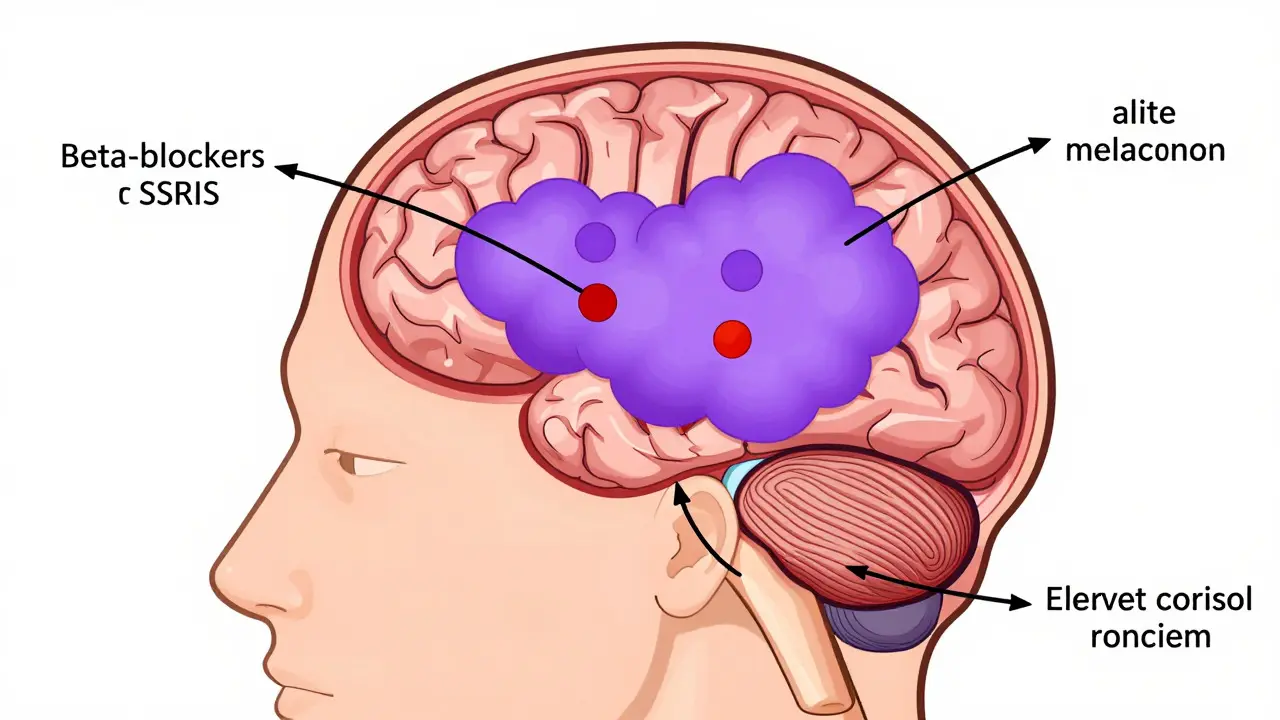
Selective Serotonin Reuptake Inhibitors (SSRIs) like fluoxetine (Prozac) are common antidepressants, but they come with a heavy sleep tax. A 2020 study in the Journal of Clinical Sleep Medicine found that SSRIs can lengthen stage 1 light sleep by nearly 19% while reducing REM sleep by over 23%. This imbalance leads to fragmented sleep and frequent nighttime awakenings for about 25-30% of users. The mechanism here involves serotonin reuptake; by increasing serotonin availability in synaptic clefts by up to 90%, these drugs can paradoxically overstimulate brain regions responsible for sleep regulation.
Beta-blockers, often prescribed for high blood pressure or heart conditions, are another major culprit. Drugs like metoprolol (Lopressor) inhibit beta-1 adrenergic receptors, which suppresses pineal gland activity. A 2019 randomized controlled trial published in Sleep Medicine showed that metoprolol decreases endogenous melatonin production by 42%. Less melatonin means your body loses its natural signal to wind down, leading to nightmares and frequent waking in 17-22% of patients.
Corticosteroids such as prednisone and dexamethasone disrupt your cortisol rhythms. Cortisol is supposed to be low at night, but these steroids keep it elevated. A 2022 Cleveland Clinic study revealed that patients taking 20mg of prednisone daily experienced 47% less deep sleep (stage 3 NREM) and woke up 3.2 times more often than controls. The drug activates glucocorticoid receptors, elevating cortisol levels by 200-300% above normal diurnal patterns, directly antagonizing melatonin.
Don’t forget stimulants for ADHD, like Adderall XR. These increase dopamine and norepinephrine by 300-400% in prefrontal cortical regions, maintaining wake-promoting neural activity well past bedtime. FDA data indicates insomnia affects 25-50% of users. Even over-the-counter options like pseudoephedrine (Sudafed) cause insomnia in 12-15% of users, while supplements like St. John’s wort can cause sleep disturbances in 15% of people despite being marketed for mood support.
| Medication Class | Example Drugs | Primary Mechanism | Reported Insomnia Rate |
|---|---|---|---|
| SSRIs | Fluoxetine (Prozac) | Disrupts serotonin/melatonin balance; reduces REM | 25-30% |
| Beta-Blockers | Metoprolol (Lopressor) | Decreases melatonin production by 42% | 17-22% |
| Corticosteroids | Prednisone | Elevates cortisol; reduces deep sleep by 47% | High (dose-dependent) |
| ADHD Stimulants | Adderall XR | Increases dopamine/norepinephrine | 25-50% |
| Decongestants | Pseudoephedrine (Sudafed) | Sympathomimetic stimulation | 12-15% |
Why Your Body Can't Switch Off
To fix the problem, you need to understand the biology. Sleep isn't just "off" mode; it's a complex dance between neurotransmitters. When you introduce certain chemicals, you tip the scales.
For instance, with SSRIs, the goal is to help mood, but serotonin is also a precursor to melatonin. By blocking the reuptake of serotonin, you flood the system. While this helps anxiety, it can create a state of hyperarousal in the brain. Similarly, beta-blockers were designed to calm the heart, but they accidentally calm the pineal gland too little-or rather, they block the pathways needed to produce enough melatonin naturally.
Corticosteroids mimic stress hormones. When you take prednisone, your body thinks it’s under attack, so it keeps you alert. This is an evolutionary survival mechanism gone wrong in a modern context. You’re not anxious because you’re worried; you’re anxious because your chemistry says there’s a tiger in the room.
Practical Strategies to Reclaim Your Sleep
You don’t necessarily have to stop taking your life-saving medication. Instead, you can tweak how and when you take it. Here are evidence-based strategies to mitigate these side effects.
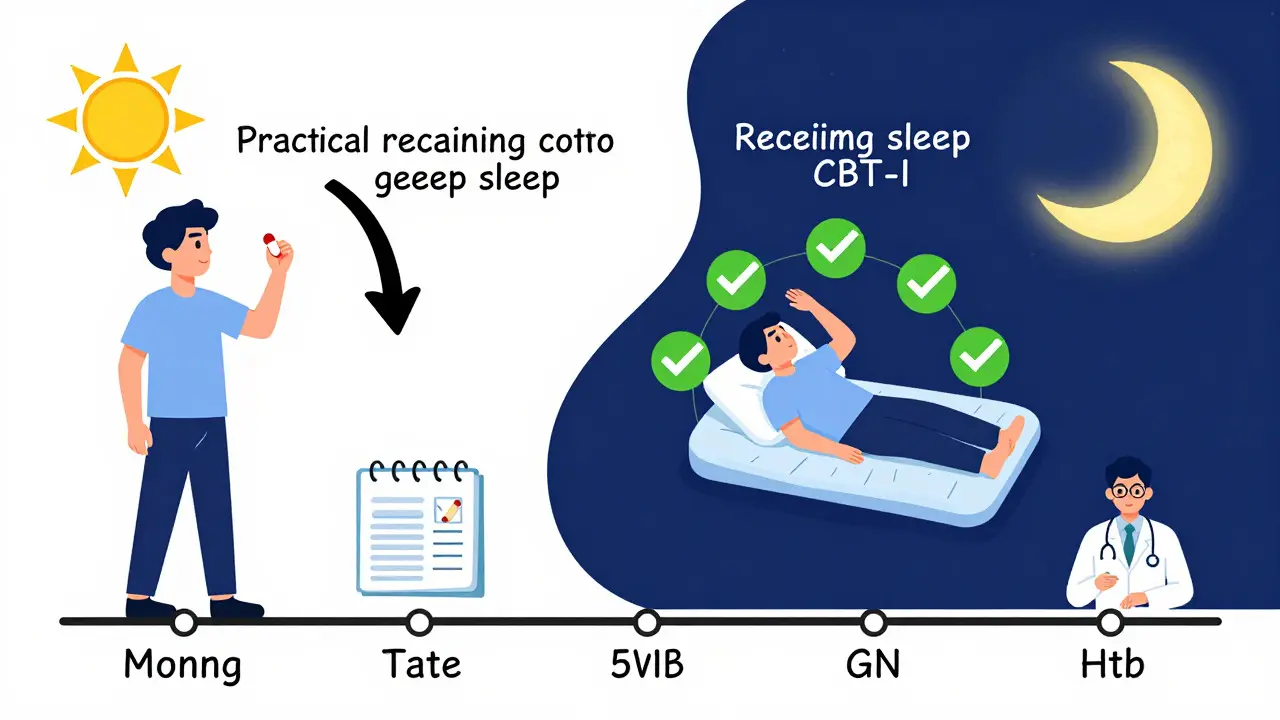
1. Adjust Timing Aggressively
Timing is everything. For corticosteroids, the American College of Rheumatology recommends taking them before 9 AM. A 2022 study in Annals of the Rheumatic Diseases showed this simple shift reduces insomnia risk by 63% compared to afternoon dosing. Why? Because it aligns the peak cortisol effect with your body’s natural morning spike, minimizing disruption to nighttime melatonin.
For SSRIs, switch to morning dosing. A 2022 Journal of Clinical Psychiatry study demonstrated that taking antidepressants in the morning rather than the evening reduces sleep disturbances by 45%. If you’re on stimulants for ADHD, ensure your last dose is early enough to allow clearance from your system before bed.
2. Consider Alternative Formulations
If you’re on beta-blockers, ask your doctor about switching to a water-soluble option like atenolol (Tenormin). Fat-soluble beta-blockers like propranolol (Inderal) cross the blood-brain barrier more easily, causing more central nervous system side effects. A 2021 meta-analysis in the Journal of Hypertension found that switching to water-soluble variants reduced nighttime awakenings by 37%.
3. Use Targeted Supplements Carefully
For beta-blocker induced insomnia, supplemental melatonin can be highly effective. A 2020 randomized controlled trial in the American Journal of Cardiology showed that taking 0.5-3mg of melatonin 2-3 hours before bedtime counteracted beta-blocker induced insomnia by 52%. However, always consult your doctor first, as supplements can interact with other meds.
4. Implement CBT-I
Cognitive Behavioral Therapy for Insomnia (CBT-I) is the gold standard non-pharmacological treatment. A 2023 meta-analysis in JAMA Internal Medicine found CBT-I has 65-75% efficacy in managing medication-related sleep disturbances. It helps retrain your brain to associate the bed with sleep, overriding the chemical alertness caused by your meds.
When to Seek Professional Help
Self-management works for many, but some cases require intervention. Dr. Raj Dasgupta, Associate Professor of Clinical Medicine at Keck School of Medicine, recommends the '3-3-3 Rule': If sleep difficulties persist for more than 3 weeks, occur 3 or more nights per week, and cause significant daytime impairment on 3 or more days, consult a sleep specialist.
Be wary of self-diagnosis. The American Academy of Sleep Medicine notes that 40-50% of patients reporting medication-related insomnia actually have undiagnosed primary sleep disorders like sleep apnea. Your medication might be exacerbating an existing condition, not causing it from scratch.
Also, beware of rebound insomnia. If you’ve been using sleep aids like zolpidem (Ambien) to counteract your medication’s side effects, stopping abruptly can make things worse. The American Academy of Sleep Medicine guidelines suggest tapering dosage by 25% every 2 weeks under medical supervision to lower rebound insomnia risk from 65% to 18%.
Navigating Doctor Conversations
Many patients suffer in silence. A 2023 Consumer Reports survey found that 34% of adults discontinued medications due to sleep side effects, yet 61% did not consult their physician before stopping. This is dangerous. Never stop prescribed medication cold turkey.
Instead, approach your doctor with data. Keep a sleep diary for 14 days. Track your bedtime, wake time, number of awakenings, and medication timing. A 2022 validation study in Sleep Medicine Reviews found sleep diaries have an 82% sensitivity in confirming the medication-sleep disturbance relationship. Bring this log to your appointment. Ask specific questions:
- "Can we adjust the timing of my dose?"
- "Are there alternative medications in the same class with fewer sleep side effects?"
- "Would a lower dose be effective?"
For older adults, be extra cautious. The American Geriatrics Society Beers Criteria (2023 update) lists diphenhydramine (Benadryl) and other first-generation antihistamines as potentially inappropriate for adults over 65. These drugs cause sleep disruption and next-day cognitive impairment in 35-40% of elderly patients. Look for non-drowsy alternatives or discuss safer options with your pharmacist.
Emerging Solutions and Future Outlook
Research is evolving. Emerging studies in Nature Sleep (July 2023) highlight chronotherapy approaches, such as timed light exposure therapy, which improved sleep efficiency by 28% in patients taking insomnia-causing medications. Additionally, the FDA’s 2023 draft guidance on medication labeling now requires more specific sleep-related side effect information. This increased transparency could reduce medication-induced insomnia cases by 15-20% simply through better patient awareness.
Until then, vigilance is key. Your sleep is foundational to your health. If your medication is stealing it, advocate for a solution. With the right adjustments-timing, formulation changes, or behavioral therapy-you can manage your condition without sacrificing your rest.
How long does medication-induced insomnia last?
The duration varies by medication and individual metabolism. For short-term drugs like decongestants, symptoms may resolve within 24-48 hours after discontinuation. For long-term medications like SSRIs or beta-blockers, insomnia may persist as long as you take the drug unless managed with timing adjustments or alternative therapies. If symptoms persist beyond 3 weeks despite adjustments, consult a specialist.
Can I take melatonin with my prescription medication?
Melatonin is generally safe for many people, especially those on beta-blockers, where it has shown a 52% reduction in insomnia symptoms. However, it can interact with blood thinners, immunosuppressants, and diabetes medications. Always consult your healthcare provider before adding melatonin to your regimen to ensure it doesn't interfere with your primary treatment.
What is the best time to take prednisone to avoid insomnia?
The best time to take prednisone is early in the morning, ideally before 9 AM. This aligns with your body's natural cortisol peak and minimizes disruption to nighttime melatonin production. Studies show this timing reduces insomnia risk by 63% compared to afternoon or evening doses.
Do all antidepressants cause insomnia?
No, not all antidepressants cause insomnia. While SSRIs like Prozac are common culprits, other classes like mirtazapine (Remeron) are sedating and may actually help with sleep. If insomnia is a severe side effect of your current antidepressant, ask your doctor about switching to a medication with a different side effect profile.
Is medication-induced insomnia permanent?
In most cases, no. Medication-induced insomnia is reversible. Once the offending agent is adjusted, switched, or discontinued under medical supervision, sleep architecture typically returns to normal. However, chronic sleep deprivation during the period of insomnia can lead to conditioned insomnia, which may require CBT-I to fully resolve.