Lifetime Savings: How Generic Drugs Cut Costs for Chronic Conditions
 Jul, 25 2026
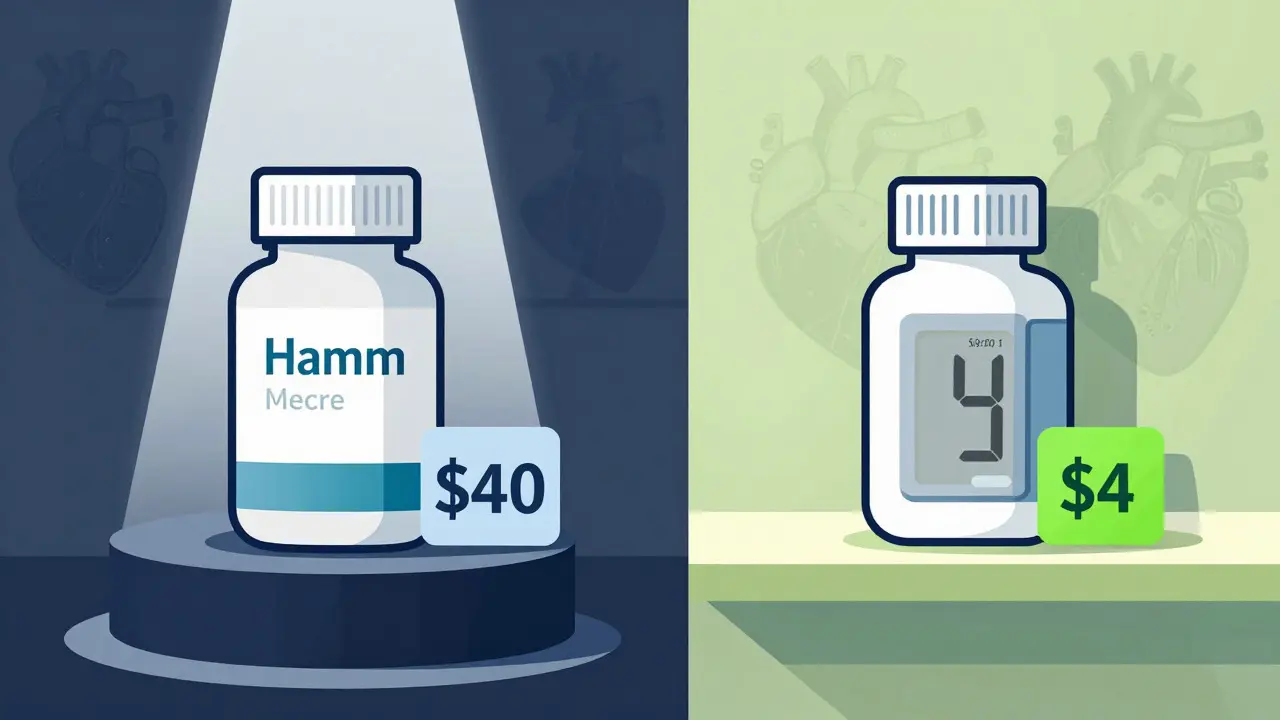
Imagine paying $40 a month for blood pressure medication when an identical option exists for just $4. It sounds too good to be true, but it is the reality for millions of people managing chronic conditions. The secret isn't in finding a new miracle cure; it is in switching to generic drugs. These medications are pharmaceutical equivalents of brand-name drugs that hit the market after patents expire. They offer the exact same therapeutic effects at a fraction of the price. For anyone dealing with long-term health issues like hypertension, diabetes, or high cholesterol, this switch can mean thousands of dollars saved over a lifetime.
The shift toward generics is not just a trend; it is a massive economic force. In the United States, generics now account for 97% of all dispensed prescriptions when available. This number has skyrocketed from 78% in 2010 to 90% in 2020. Despite making up the vast majority of prescriptions, generics only represent about 18% of total retail prescription drug spending. This disparity highlights the sheer scale of cost reduction. When you choose a generic, you are joining a system that saved Americans nearly $338 billion in 2020 alone. Over the last decade, those savings approach $2.4 trillion. That is money staying in your pocket and keeping healthcare systems from collapsing under the weight of unnecessary expenses.
What Makes a Drug "Generic"?
To understand why you can trust these cheaper alternatives, you need to look at how they are approved. The modern pathway for generic drugs was established by the Hatch-Waxman Act of 1984. This legislation balanced the need for patent protection for innovators with the public's right to affordable medicine. Today, the Food and Drug Administration (FDA) requires rigorous testing before any generic drug reaches your pharmacy shelf.
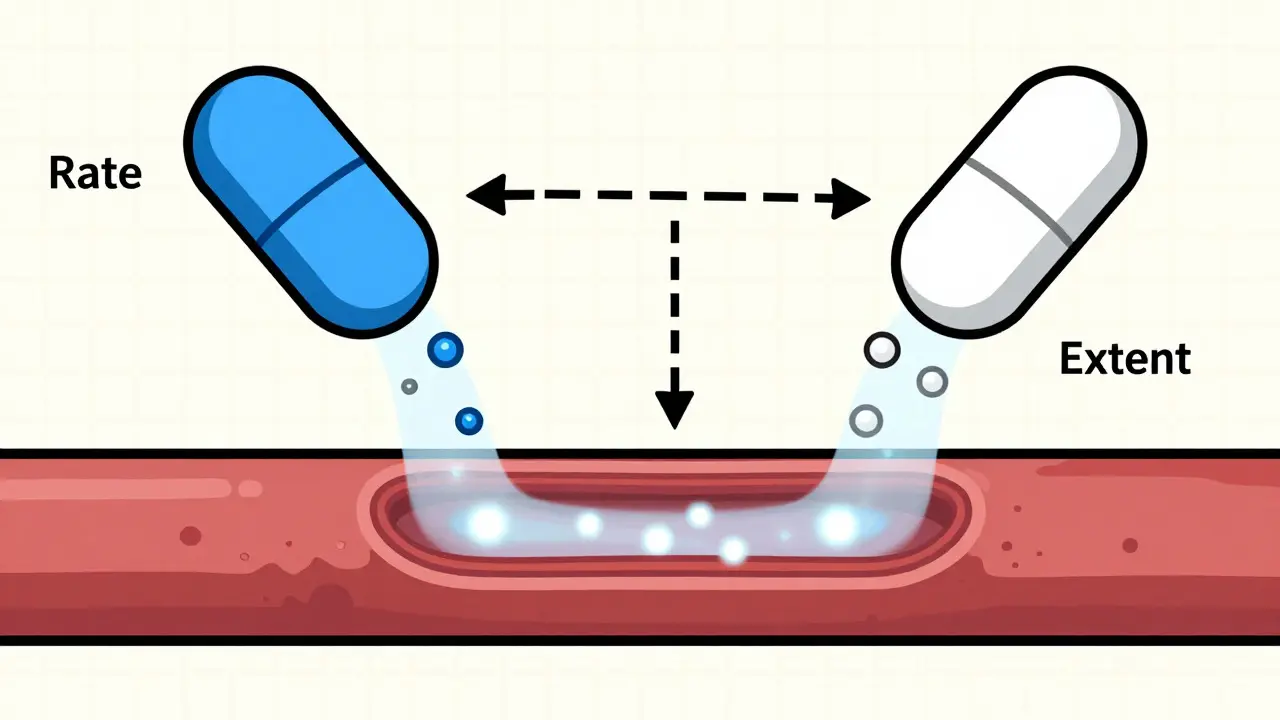
The key concept here is bioequivalence. This means the generic drug must demonstrate that it delivers the active ingredient into your bloodstream at the same rate and extent as the brand-name version. Specifically, the FDA mandates that generic drugs fall within a 90% confidence interval of 80-125% of the brand-name drug's pharmacokinetic parameters. In plain English, this ensures that the drug works identically inside your body. While inactive ingredients-like dyes or binders-might differ slightly, the active pharmaceutical ingredient remains the same in strength, quality, and intended use. This strict standard guarantees that you get identical therapeutic outcomes without the premium price tag.
The Math Behind Lifetime Savings
Let’s break down what this looks like for a real person. Consider a patient with hypertension who needs lifelong medication. Brand-name lisinopril, known as Prinivil, can cost between $40 and $50 per month. A generic version of the same drug often costs around $4 per month. That is an annual saving of approximately $1,200 to $2,000. If you take this medication for ten years, you save between $12,000 and $20,000. Now multiply that by the millions of Americans managing chronic diseases.
This cost reduction extends across various conditions. For diabetes patients, switching to generic metformin can reduce monthly costs from $150 to $25. For asthma sufferers, generic inhalers provide similar relief at significantly lower prices. The global generic drugs market was valued at $232.4 billion in 2022 and is projected to reach $356.8 billion by 2028. This growth reflects not just increased demand, but a strategic shift toward higher-value generics and complex formulations that maintain margins while continuing to offer substantial savings to consumers.
| Feature | Brand-Name Drug | Generic Drug |
|---|---|---|
| Active Ingredient | Original formulation | Identical to brand-name |
| Cost Reduction | Baseline price | 80-85% lower than brand-name |
| Regulatory Approval | Full clinical trials required | Bioequivalence testing required |
| Market Share (US) | ~10% of prescriptions | ~90% of prescriptions |
| Spending Share (US) | ~82% of total spending | ~18% of total spending |
Why Adherence Matters More Than You Think
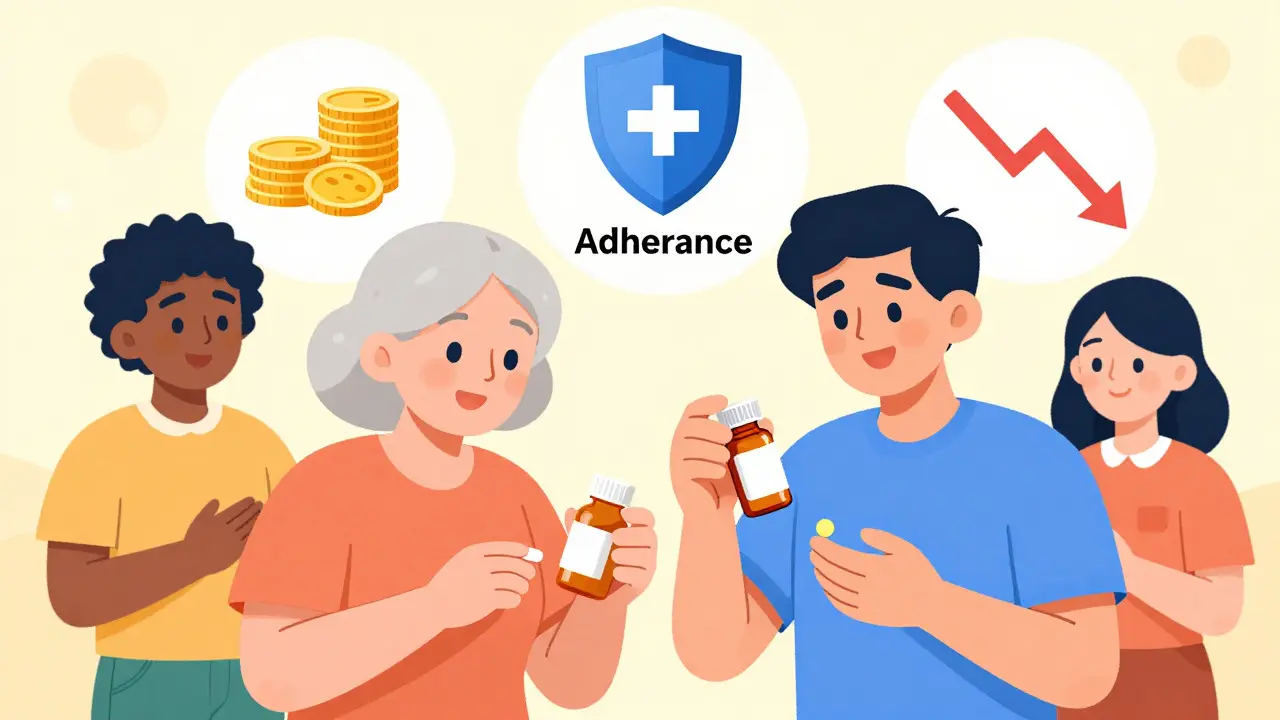
Money is important, but health is paramount. One of the biggest challenges in managing chronic conditions is medication adherence-the simple act of taking your pills as prescribed. High costs are a major barrier. Studies show that 25% of rural patients skip doses because they cannot afford their prescriptions. When you skip doses, your condition worsens, leading to more doctor visits, emergency room trips, and hospitalizations.
Generic drugs directly address this problem. Patients initiated on generic medications are 18-22% more likely to maintain consistent regimens compared to those on brand-name drugs. Why? Because the financial burden is lighter. When medication therapy management (MTM) programs target chronic disease patients with generic options, medication-related problems drop by 30-40%. Adherence rates improve by 15-25%. This translates to fewer hospitalizations and better overall health outcomes. In India, widespread availability of affordable generic HIV/AIDS drugs increased treatment adherence by 40% and reduced mortality rates by 25% between 2005 and 2015. Brazil saw similar results, with government policies promoting generics for hypertension and diabetes increasing access by 35% and cutting related healthcare costs by $1.2 billion annually.
Busting Common Myths About Generics
Despite the evidence, misconceptions persist. Some people believe generics are less effective or lower quality. This is largely a placebo effect or confusion over inactive ingredients. Dr. Aaron Kesselheim, a Professor of Medicine at Harvard Medical School, notes that generic drugs treat some of the most complex chronic diseases, including rare and orphan conditions. They are not just for simple headaches or colds.
Another myth is that generics are only available for old, outdated drugs. While it is true that generics enter the market after patent expiration (typically 20 years from filing), the pipeline is constantly replenished. Between 2023 and 2027, approximately $150 billion in brand-name drug sales will face generic competition. This includes newer treatments for cancer, rheumatoid arthritis, and other serious conditions. The Biologics Price Competition and Innovation Act of 2009 even created pathways for biosimilars, which extend the principles of generic savings to biologic drugs.
Patients sometimes complain about perceived reduced efficacy. However, research consistently shows that therapeutic equivalence is maintained. Variations in inactive ingredients might affect certain sensitive patients, but for the vast majority, the active ingredient does the work. Educational interventions have proven effective in addressing these concerns. Programs explaining FDA bioequivalence requirements have increased patient acceptance rates by 45% in chronic disease management settings.
How to Maximize Your Savings
Getting the most out of generic drugs requires a proactive approach. Start by talking to your pharmacist. They are trained in medication therapy management and can identify cost-effective alternatives. Many pharmacies offer MTM programs covered by Medicare Part D, where pharmacists review your entire regimen to ensure you are getting the best value and avoiding interactions.
Check your insurance formulary. Most plans heavily favor generics, offering lower copays for them. If you are still paying full price for a brand-name drug, ask your doctor if a generic substitution is possible. In many cases, doctors prescribe brand names out of habit rather than medical necessity. A simple conversation can lead to significant savings.
Utilize resources like the FDA’s Orange Book for patent information and patient assistance programs from manufacturers. The 2022 Inflation Reduction Act also includes provisions to reduce out-of-pocket costs for Medicare beneficiaries using generics, potentially saving seniors an average of $450 annually on chronic condition medications. Stay informed about developments like the FDA’s Generic Drug User Fee Amendments (GDUFA) III, which aims to accelerate approvals while maintaining quality standards.
The Future of Affordable Care
The landscape of chronic care is evolving, but the role of generics remains central. As patent cliffs continue to bring expensive brand-name drugs into the generic realm, opportunities for lifetime savings will grow. Experts predict that biosimilars could save the U.S. healthcare system another $300 billion over the next decade. This builds on the foundation laid by traditional small-molecule generics.
For individuals, the message is clear: do not let cost dictate your health. Embrace generic options as a smart, scientifically validated strategy for managing chronic conditions. By choosing generics, you are not just saving money; you are investing in better adherence, fewer complications, and a healthier future. The data supports it, the experts endorse it, and your wallet will thank you.
Are generic drugs really as effective as brand-name drugs?
Yes. The FDA requires generic drugs to be bioequivalent to their brand-name counterparts. This means they contain the same active ingredients, work in the same way in the body, and have the same safety profile. The only differences may be in inactive ingredients like colors or flavors, which do not affect therapeutic outcomes.
How much can I save by switching to generic medications?
On average, generic drugs cost 80-85% less than brand-name versions. For example, a patient taking generic lisinopril for hypertension might save $1,200-$2,000 annually compared to the brand-name equivalent. Over a decade, these savings can amount to tens of thousands of dollars.
Why do so many prescriptions now use generics?
Generics currently account for 97% of dispensed prescriptions when available in the U.S. This high adoption rate is driven by significant cost savings for both patients and insurers, improved medication adherence due to lower out-of-pocket costs, and robust regulatory approval processes ensuring quality and efficacy.
Do generic drugs work for complex chronic conditions?
Absolutely. Contrary to popular belief, generics are used to treat some of the most complex chronic diseases, including rare and orphan conditions. Research confirms that generics provide identical therapeutic outcomes for conditions like diabetes, hypertension, heart disease, and even certain cancers.
How can I check if a generic version of my medication is available?
You can ask your pharmacist or doctor directly. Additionally, you can consult the FDA’s Orange Book, which lists approved drug products and their patent status. Most insurance formularies also indicate which drugs have generic alternatives, often highlighting them with lower copay tiers.
Sinead Doyle
July 26, 2026 AT 18:30the fda is just a puppet of big pharma you know? they say bioequivalence but really its about keeping the supply chain controlled by a few conglomerates who own both the brand and generic rights through shell companies. nobody talks about how the inactive ingredients are often cheaper fillers that cause gut issues long term. i switched to compounding years ago because i knew better than trusting these corporate entities with my health. the data they cite is cherry picked to make you feel safe while they bleed you dry.
Samuel Friday
July 27, 2026 AT 06:53Oh, look at you, Sinead, playing the conspiracy theorist again. How utterly tedious. The Hatch-Waxman Act is a masterpiece of legislative engineering, not a cabal's plot. You clearly lack the intellectual fortitude to understand patent cliffs and market saturation dynamics. It is pathetic how people cling to their 'gut feelings' over peer-reviewed pharmacokinetics. Bioequivalence is a mathematical certainty, not a suggestion. Your ignorance is showing, and it is embarrassing for everyone involved. 😒
Kevin Burke
July 27, 2026 AT 12:51The essence of the generic drug revolution is not merely economic; it is an existential shift in our relationship with mortality and commerce. When we accept the generic, we accept that the vessel does not define the spirit. The molecule is the truth. The branding is the illusion. We are trapped in a matrix of marketing where we pay for the story rather than the substance. To choose the brand name is to choose vanity over survival. It is a philosophical failure of the highest order. We must strip away the ego of the pharmaceutical giant to find the raw, unadorned reality of healing. This is the path to enlightenment through savings.
anna arifiana
July 28, 2026 AT 03:15Well, actually, if one were to delve deeper into the historical context of pharmaceutical pricing, one might argue that the entire premise of 'savings' is somewhat illusory when considering the broader systemic failures of healthcare access, which, frankly, are exacerbated by the very same monopolistic tendencies that generics attempt to mitigate, albeit imperfectly, and this leads us to question whether the focus on cost reduction is truly addressing the root causes of poor adherence or merely treating the symptoms of a broken system, which is a nuanced point that most casual observers tend to overlook entirely.
Marie-Gladys Darcelin
July 29, 2026 AT 15:02It is simply scandalous that anyone would dare suggest otherwise. The moral imperative to switch to generics is absolute. To do otherwise is a dereliction of duty to oneself and society. One must be rigorous in one’s approach to health management. There is no room for ambiguity here. The evidence is irrefutable. Those who cling to brand names are clinging to a false sense of security. It is a tragic flaw in character. One must act with decisiveness and integrity. The choice is clear. Do not let sentimentality cloud your judgment. Embrace the logic. Embrace the savings. Embrace the truth.
neal vince
July 31, 2026 AT 05:59You are all missing the technical nuance regarding narrow therapeutic index drugs. While the post claims identical effects, for drugs like warfarin or levothyroxine, even slight variations in bioavailability can have clinical significance despite meeting FDA standards. The 80-125% range allows for significant variability that some patients cannot tolerate. I have seen countless cases where switching manufacturers caused instability. The post oversimplifies the pharmacokinetic profile for the sake of a catchy narrative. It is intellectually lazy.
Jasmine Agito
August 1, 2026 AT 23:07That is a valid point, Neal. I always tell my patients to stick with the same manufacturer if possible, especially for thyroid meds. The FDA requires consistency within the same generic batch, but switching between different generic suppliers can sometimes cause fluctuations. It is important to communicate any changes to your doctor so they can monitor levels closely. Most people do fine, but those on NTI drugs need extra care. It is not about distrust, just precision.
Bobby Christiansen
August 3, 2026 AT 03:08Ugh, why is everyone so obsessed with saving money? Is life really just about pennies now? 😡 I take my brand name meds because I deserve the best. If you can't afford the real thing, maybe you shouldn't be sick. It is a lifestyle choice. Generic users are basically admitting they are second-class citizens. The placebo effect works both ways, you know. Believing you are taking the superior product makes you stronger. Stop being so cheap and start living! 💅
Arun Krishnan
August 5, 2026 AT 02:35Hey Bobby, no need to get heated. Health is personal. For many, saving $40 a month means buying groceries or paying rent. It is not about status, it is about survival. Generics are tested rigorously. They work. Let us support each other in making choices that fit our budgets and needs. Everyone deserves good health without going broke. Keep an open mind. 🙏
Tony Malvagna
August 5, 2026 AT 16:27Think about it man. The system is rigged but we can hack it. Generics are the ultimate hack. Why pay for the logo when you pay for the result? Its like buying a designer shirt vs a basic tee. Same cotton same comfort. Just wear what works. Dont let the suits win. Take control of your wallet and your body. You got this. Stay strong out there. ✊
Kyle Bonnette-Lykens
August 7, 2026 AT 09:00generic is fine. brand is waste. simple as that. dont overthink it.
Emily Schor
August 8, 2026 AT 12:38I appreciate the detailed breakdown here. As someone managing type 2 diabetes, switching to generic metformin was a game changer for my budget. I was skeptical at first, worried about efficacy, but my A1C levels remained stable. It is reassuring to see the data backing up what many of us experience firsthand. Collaboration between patients and pharmacists is key. Thank you for sharing this information.