Hypoglycemia in Older Adults: Special Risks and Prevention Plans
 Jul, 18 2026
Hypoglycemia Risk & A1c Target Calculator
Patient Profile
Assessment Results
PendingWhy Low Blood Sugar Hits Harder After 65
We often hear about the dangers of high blood sugar. It’s the villain in every diabetes story. But for older adults, the silent killer is actually low blood sugar, or hypoglycemia. Defined as a blood glucose level below 70 mg/dL, this condition poses unique threats to seniors that go far beyond feeling shaky or hungry. In fact, research shows that older adults experience hypoglycemic episodes 2.3 times more frequently than younger patients. The stakes are higher because the body’s natural warning system breaks down with age. Instead of sweating or trembling, an older adult might just become confused, dizzy, or fall. These subtle signs mean that 40-60% of hypoglycemic episodes in this group go unnoticed until they turn severe.
The economic and health burden is staggering. In the United States, patients over 65 account for nearly 60% of all healthcare spending related to diabetes. A significant chunk of that cost comes from emergency visits triggered by low blood sugar. Understanding why this happens-and how to stop it-is critical for anyone caring for an aging parent or managing their own later years.
The Physiology of Vulnerability
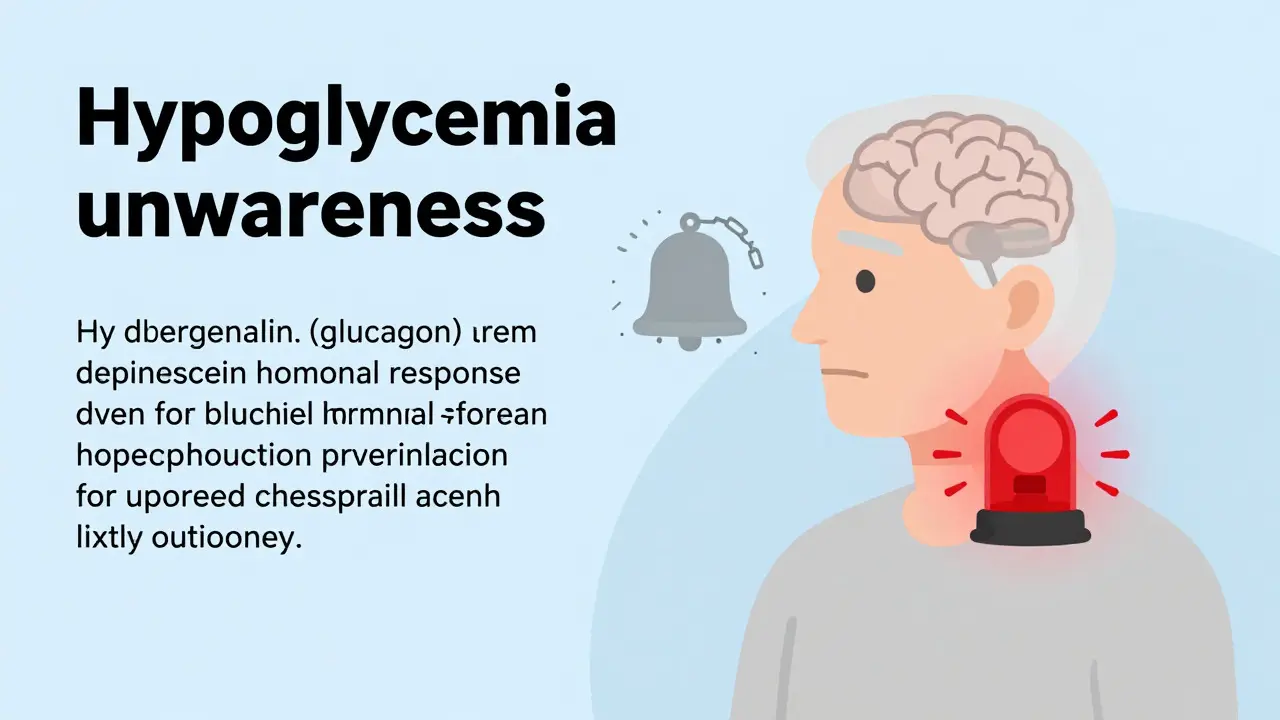
To prevent hypoglycemia, you first have to understand why older bodies react differently to drops in glucose. When your blood sugar falls, your brain screams for help. In a young person, this triggers a release of counter-regulatory hormones like epinephrine and glucagon. These chemicals raise your heart rate and shake your hands, signaling you to eat something sweet immediately.
In older adults, this alarm system is blunted. Studies indicate a 30-50% reduction in these hormonal responses compared to younger populations. This leads to a dangerous phenomenon called hypoglycemia unawareness, where the patient loses those early autonomic warning signs. About 25% of older adults with type 1 diabetes and up to 20% of those with type 2 diabetes suffer from this. They don’t feel the low coming; they just wake up on the floor or find themselves unable to speak clearly. Without the tremors or palpitations, there is no prompt to treat the drop before it causes neuroglycopenia (brain dysfunction).
Compounding this issue is the presence of other health conditions. Chronic kidney disease, for example, drastically changes how the body processes insulin and oral medications. For older adults with an estimated glomerular filtration rate (eGFR) below 60 mL/min/1.73 m², the risk of severe hypoglycemia jumps by 2.7-fold. The kidneys can't clear insulin efficiently, causing it to linger in the bloodstream longer than intended.
Medications That Raise the Red Flag
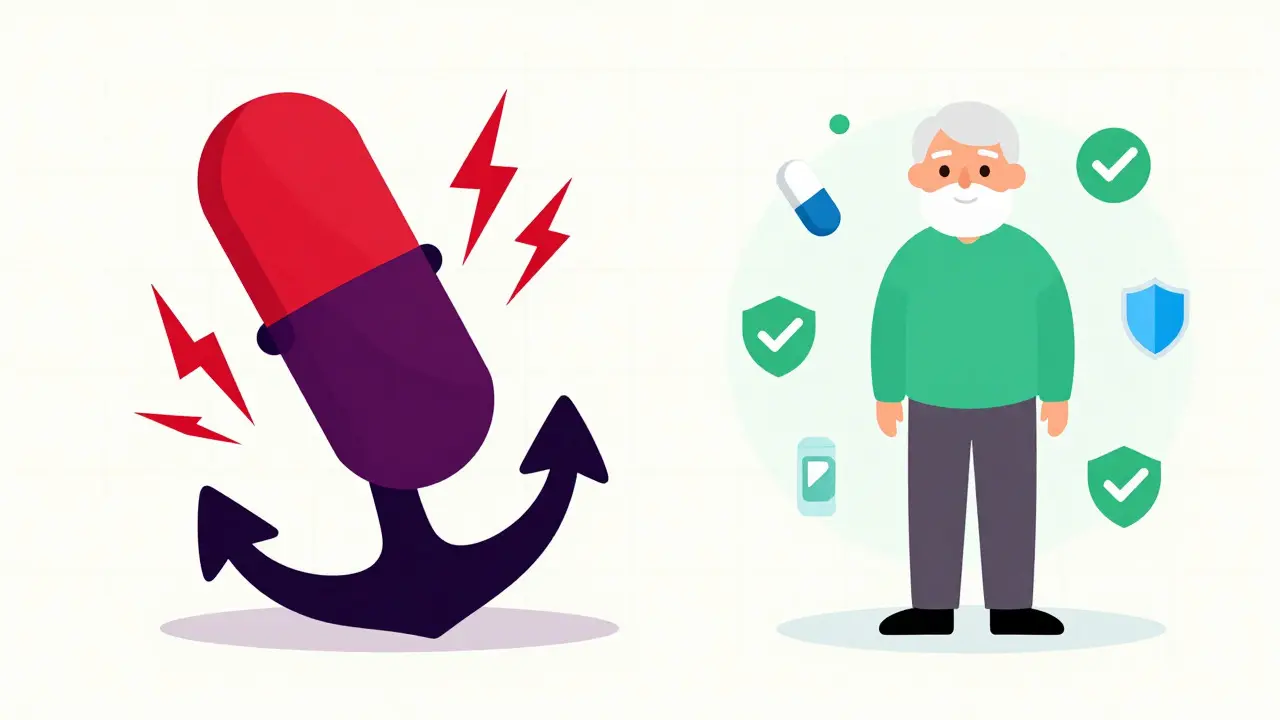
Not all diabetes drugs carry the same weight when it comes to hypoglycemia risk. While newer classes of medications are generally safer, many older adults are still prescribed drugs that aggressively lower blood sugar regardless of current levels. The most notorious culprit is glyburide, a long-acting sulfonylurea.
The American Geriatrics Society Beers Criteria explicitly lists glyburide as a potentially inappropriate medication for older adults. Why? Because it has a long half-life and active metabolites that can cause prolonged lows. Data shows that glyburide increases the risk of severe hypoglycemia by 50% compared to shorter-acting alternatives like glipizide. If you or a loved one is taking glyburide, it is worth having a serious conversation with a doctor about switching to a safer option.
| Medication Class | Hypoglycemia Risk | Key Consideration for Seniors |
|---|---|---|
| Sulfonylureas (e.g., Glyburide) | High | Long duration of action; risky if meals are skipped. |
| Insulin (Long-acting) | Moderate to High | Doses often need reduction due to decreased renal function. |
| Metformin | Low | Generally safe but requires monitoring of kidney function. |
| GLP-1 Agonists | Very Low | Weight neutral or loss; good for cardiovascular health. |
Another major factor is polypharmacy-the use of five or more medications. Many common drugs for blood pressure, pain, or sleep can interact with diabetes treatments or mask symptoms. For instance, beta-blockers used for heart conditions can block the physical sensations of a low blood sugar episode, such as a racing heart, leaving confusion as the only symptom.
Building a Concrete Prevention Plan
Prevention isn't just about checking numbers; it's about adjusting expectations. The American Diabetes Association (ADA) recommends individualized glycemic targets for older adults. For a healthy senior with few comorbidities, an A1c below 7.0% might be appropriate. However, for someone with multiple chronic illnesses or cognitive decline, the target should be relaxed to less than 8.5%. Tight control in frail patients does not extend life; it shortens it by increasing the risk of falls and cardiac events.
A robust prevention plan includes several key steps:
- Medication De-intensification: Work with a clinician to reduce or eliminate insulin and sulfonylureas if possible. The Pottstown Primary Care Intervention Study showed that structured medication reviews reduced hypoglycemia risk by 46% in six months, with only a negligible increase in A1c (+0.3%).
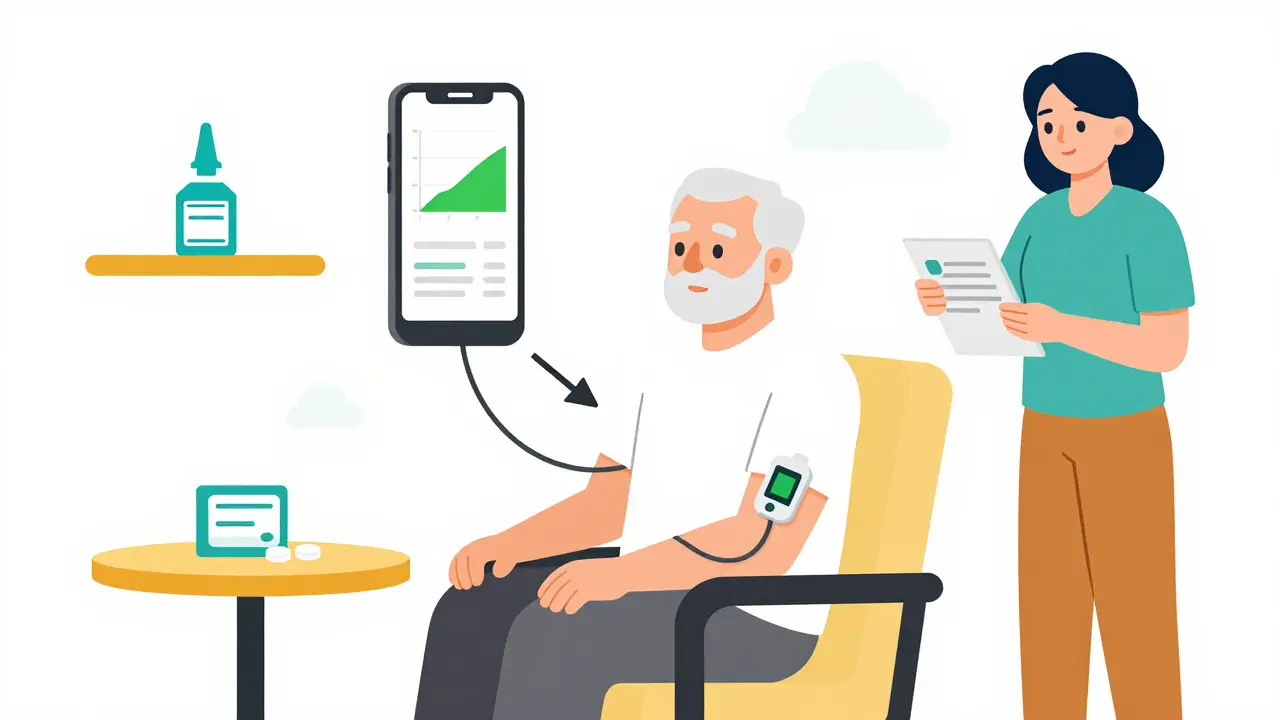
- Continuous Glucose Monitoring (CGM): CGMs are game-changers. They provide real-time alerts when blood sugar is dropping, allowing for intervention before symptoms start. Despite evidence showing a 40% reduction in hypoglycemia with CGM use, adoption among seniors remains low at around 15%, largely due to cost and complexity. Medicare coverage has expanded, but navigating eligibility can be tricky.
- Caregiver Education: Family members must know the signs. Look for sudden behavioral changes, slurred speech, or unsteadiness. Keep fast-acting carbohydrates (like glucose tablets or juice) accessible in the kitchen, bedroom, and living room.
- Emergency Glucagon: Ensure there is a glucagon kit in the home. Newer nasal formulations are easier to administer than injectable versions and can be life-saving if the person cannot swallow.
The Hidden Costs of "Tight" Control
Many older adults resist changing their medication regimen because they fear their diabetes will get worse. This is a common misconception. Dr. Robert A. Vigersky, an endocrinologist, notes that the goal for seniors should be minimizing hypoglycemia risk while avoiding extreme highs, rather than chasing perfect numbers. The data supports this: each episode of severe hypoglycemia is associated with a 40% increased risk of falls and a 25% increased risk of hip fractures. A broken hip can lead to a cascade of complications, including pneumonia and immobility, which are often fatal in the elderly.
Furthermore, recurrent hypoglycemia is linked to cognitive decline. A longitudinal study found that seniors experiencing severe lows had a 1.8 times higher risk of developing new cognitive impairment over two years. Protecting blood sugar stability is essentially protecting brain health.
Next Steps for Caregivers and Patients
If you are caring for an older adult with diabetes, start by reviewing their current medications. Ask their doctor specifically about sulfonylureas and insulin doses. Next, discuss the possibility of using a CGM. Even if the senior finds the device annoying, the safety net it provides is invaluable. Finally, educate yourself on the non-specific symptoms of hypoglycemia. Confusion is not always dementia; sometimes, it’s just low blood sugar. By shifting the focus from aggressive control to safe stability, you can significantly improve quality of life and longevity.
What are the specific signs of hypoglycemia in older adults?
Unlike younger people who sweat and shake, older adults may exhibit confusion, dizziness, slurred speech, weakness, or sudden behavioral changes. These neuroglycopenic symptoms occur because the body's autonomic warning system is blunted with age.
Is glyburide safe for seniors?
Glyburide is generally considered unsafe for older adults due to its long duration of action and high risk of causing severe hypoglycemia. The American Geriatrics Society recommends avoiding it in favor of safer alternatives like glipizide or non-insulin injectables.
What is the recommended A1c target for an 80-year-old?
Targets are individualized. For healthy older adults, an A1c <7.0% may be appropriate. For those with complex chronic illnesses or limited life expectancy, a target of <8.0% to <8.5% is recommended to minimize hypoglycemia risk.
How does kidney disease affect hypoglycemia risk?
Chronic kidney disease reduces the body's ability to clear insulin and certain oral diabetes medications. This leads to drug accumulation and a 2.7-fold increase in the risk of severe hypoglycemia compared to those with normal kidney function.
Can Continuous Glucose Monitors (CGMs) help seniors?
Yes, CGMs can reduce hypoglycemia by up to 40% by providing real-time alerts. While adoption is currently low due to cost and usability concerns, they are increasingly covered by Medicare for insulin-treated patients and are highly effective for preventing severe lows.