How to Shop Pharmacies for the Best Cash Price on Medications: A 2026 Guide
 Jul, 4 2026
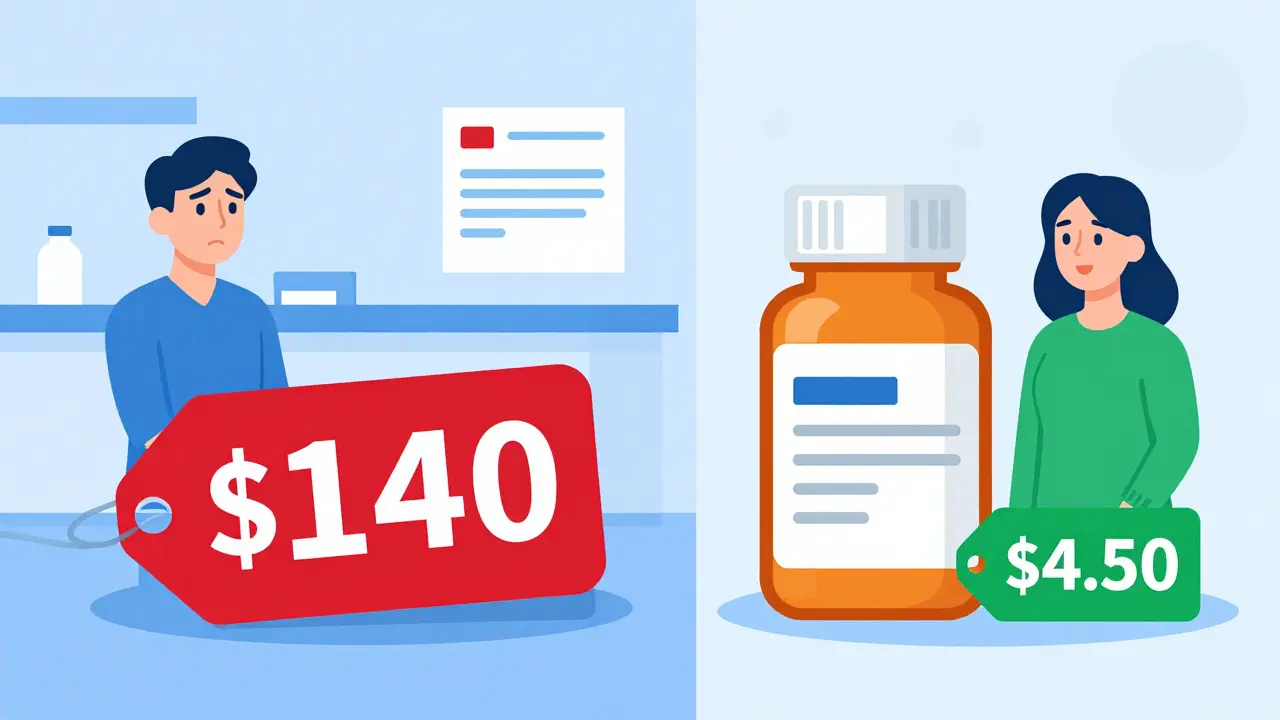
Imagine walking into two different pharmacies in your neighborhood to buy the exact same bottle of generic blood pressure medication. At one counter, you’re handed a bill for $140. At the other, just a few blocks away, that same prescription costs $4.50. This isn’t a glitch in the system; it’s how pharmaceutical pricing works. If you are paying out-of-pocket or have a high-deductible health plan, understanding this disparity is the single most effective way to lower your healthcare costs.
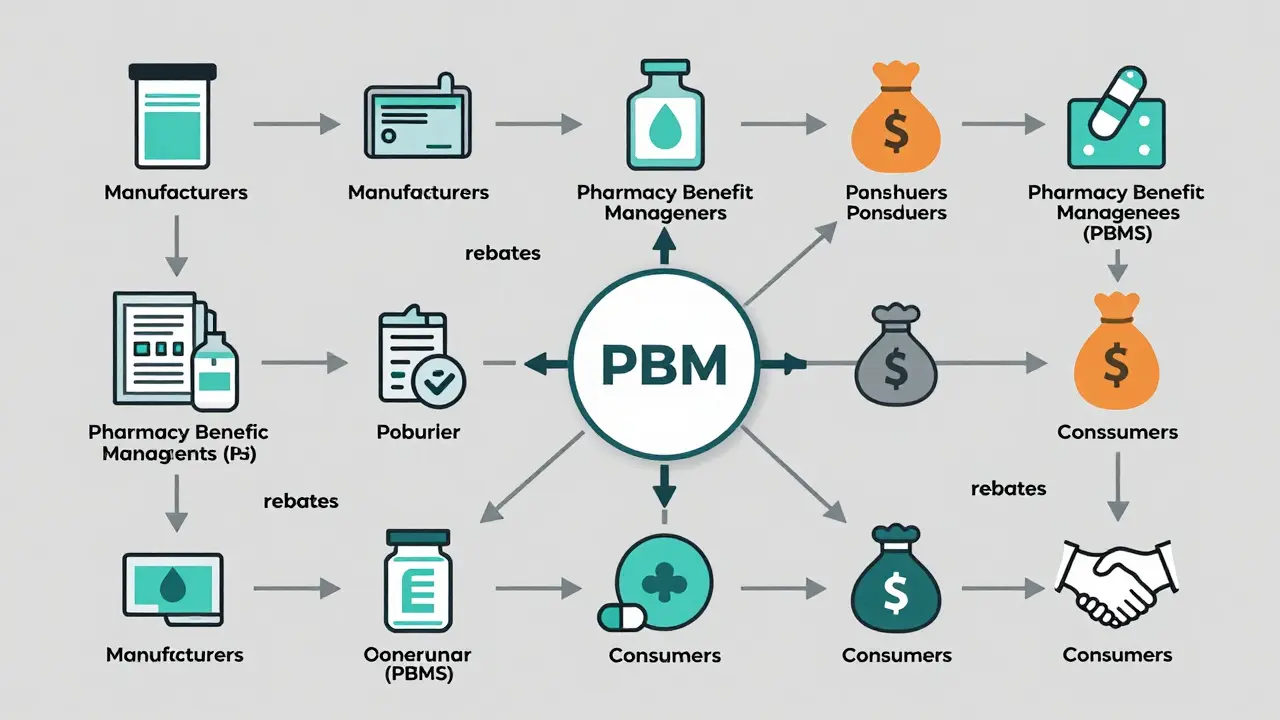
For years, many people assumed their insurance copay was the fixed price they had to pay. But with the rise of high-deductible plans and complex rebate structures between manufacturers and Pharmacy Benefit Managers (PBMs), the "insurance price" is often higher than the undiscounted cash price. In 2023, nearly half of U.S. workers were enrolled in these high-deductible plans, meaning millions of Americans are essentially shopping for cash prices without realizing it. The good news? You don’t need a degree in pharmacology to navigate this. You just need a systematic approach to comparing prices across different pharmacy types and using the right digital tools.
Understanding Why Prices Vary So Wildly
To shop effectively, you first need to understand why a box of pills can have such wildly different tags. It comes down to profit-maximizing strategies by manufacturers and varying bargaining power among pharmacies. According to a 2022 white paper by the U.S. Department of Health and Human Services’ Office of the Assistant Secretary for Planning and Evaluation (ASPE), no single purchaser pays a higher price to subsidize discounts for others. Instead, every buyer pays based on their specific market position.
This creates a fragmented landscape where Pharmacy Benefit Managers (PBMs) are intermediaries that negotiate drug rebates from manufacturers, which often do not reach the consumer at the point of sale. These PBMs secure massive rebates-averaging 30-50% for brand-name drugs-but these savings are rarely passed directly to you when you fill a prescription. Meanwhile, independent pharmacies, supermarket chains, and mass merchandisers all have different overhead costs and negotiation powers. A 2021 NIH-funded study published in PMC (Luo et al.) highlighted this clearly: gross margins for generic cardiovascular medications ranged from $4.71 at supermarkets to over $15 at analytical pharmacies. This structural complexity means the lowest price is almost never obvious until you actively look for it.
The Three Tiers of Pricing You Need to Know
When you pick up a prescription, you are usually looking at one of three price points. Knowing the difference helps you decide whether to use insurance or pay cash.
- Undiscounted Cash Price: This is the full retail price before any coupons or insurance. It is often shockingly high but serves as the baseline for calculating discounts.
- Insurance Copay/Deductible Price: What you pay after your insurance processes the claim. If you haven’t met your deductible, this might be close to the undiscounted cash price, or even higher due to formulary restrictions.
- Discounted Cash Price: The price achieved through third-party coupon services like GoodRx is a pharmacy discount platform founded in 2011 that aggregates pricing data from over 70,000 U.S. pharmacies to offer negotiated discounts. Founded by Doug Hirsch, Trevor Bezdek, and Scott Marlette, GoodRx now serves over 200 million users annually. Other similar platforms include RxSaver, WellRX, and BuzzRx.
Here is the critical rule: Always check the discounted cash price *before* presenting your insurance card. Many patients are surprised to learn that the cash price with a coupon is significantly lower than their insurance copay, especially for generics. Dr. Aaron Kesselheim, Professor of Medicine at Harvard Medical School, noted in a 2022 JAMA Internal Medicine editorial that consumers who compare prices can reduce costs by 50-90% for common generics.
Comparing Pharmacy Types: Where Should You Go?
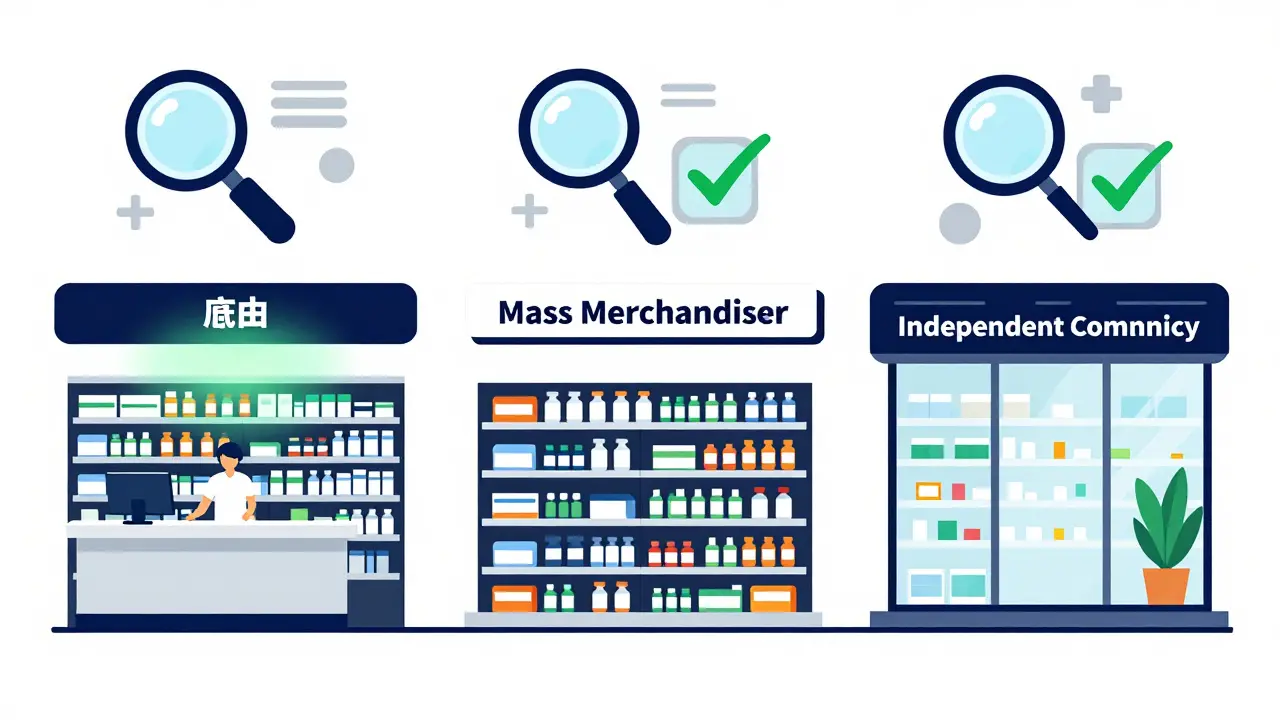
Not all pharmacies are created equal when it comes to cash pricing. Your location and the type of pharmacy you choose play a huge role in your final bill. Based on data from the NIH study (Luo et al., 2021) and industry reports, here is how they stack up:
| Pharmacy Type | Average Undiscounted Cash Price | Average Discounted Cash Price (e.g., GoodRx) | Gross Margin per Prescription |
|---|---|---|---|
| Supermarket Pharmacies | Lower | $28.17 (Lowest) | $4.71 |
| Mass Merchandisers (e.g., Walmart) | Moderate | Moderate | $5.84 |
| National Chains (e.g., CVS, Walgreens) | Higher | $64.42 | $12.68 |
| Analytical/Specialty Pharmacies | Highest ($365+) | Variable | $15.67 - $16.56 |
Supermarket pharmacies often offer the best deals because they operate on thinner margins and use low-cost prescriptions as a loss leader to drive grocery sales. National chains, while convenient, tend to have higher operational costs and less competitive cash pricing. Independent pharmacies present a mixed bag. While some studies suggest they can offer the best unadvertised rates, others show high variability. However, building a relationship with an independent pharmacist can sometimes yield unadvertised discounts for regular customers-a tactic used by 38% of surveyed independents according to UnityPoint Health.
Step-by-Step Strategy to Find the Lowest Price
Finding the best deal doesn’t have to take hours. With a streamlined process, you can cut your search time to 10-15 minutes per prescription. Here is the proven workflow:
- Get the Undiscounted Quote First: When you call or visit a pharmacy, ask for the cash price *without* showing your insurance card initially. This establishes the baseline.
- Use Multiple Comparison Tools: Don’t rely on just one app. Cross-reference prices using GoodRx, RxSaver, and WellRX. Each platform has different partnerships with pharmacies, so the cheapest option on one might be expensive on another. Art of Healthy Living’s 2023 analysis confirmed that cross-referencing increases accuracy and savings potential.
- Check Local Independents: Search for independent pharmacies within a 5-mile radius. Call them directly. Ask if they match GoodRx prices or if they have their own loyalty discounts. Sometimes, a quick phone call reveals a price better than any app.
- Consider Mail-Order Options: For maintenance medications (like those for blood pressure or cholesterol), mail-order services can be cheaper. Non-profits like RXOutreach.com serve patients with household incomes below 300% of the federal poverty level (approx. $45,000 for individuals in 2023), offering substantial reductions even for those with existing coverage.
- Leverage Manufacturer Coupons: For brand-name drugs, discount apps often provide minimal savings (around 42% on average). In these cases, check the manufacturer’s website for patient assistance programs or copay cards, which can be more effective than general pharmacy discounts.
Real-World Examples of Savings
Does this actually work in practice? Absolutely. User experiences consistently validate this strategy. On Reddit’s r/personalfinance, user u/MedSaver2023 shared in June 2023 that they paid $1.89 for metformin at a local independent pharmacy using a GoodRx coupon, compared to $15.99 at a national chain without insurance. That’s an 88% savings on a daily medication.
Another user, u/BudgetPharma, reported finding insulin prices ranging from $98 to $345 for the same vial across four pharmacies within a 2-mile radius in Chicago. By simply choosing the lowest-priced option, they saved hundreds of dollars monthly. Even for brand-name drugs, there are wins. A verified Trustpilot review for GoodRx from October 2023 stated, "Saved $112 on my Synthroid prescription at Walmart versus what my insurance would have charged."
However, be aware of limitations. A 2022 Consumer Reports survey found that 12.7% of users experienced price mismatches where the app price didn’t match the register total. Always confirm the final price with the pharmacist before handing over payment. Also, remember that discount coupons cannot be combined with insurance. You must choose one or the other.
Navigating Medicare and Insurance Changes in 2026
If you are on Medicare, the landscape is shifting. Under the Inflation Reduction Act, out-of-pocket costs for Part D beneficiaries are capped at $2,000 annually starting in 2025. However, experts like Dr. Erin Trish from the University of Southern California warn that this cap doesn’t eliminate the need for price shopping. Without active comparison, beneficiaries still risk overpaying by hundreds of dollars during the year before hitting that cap.
During Medicare Open Enrollment (October 15-December 7), review your plan options carefully. Utilize Medicare’s preferred pharmacy networks, which can reduce costs by 15-25%. For those outside of Medicare, the Congressional Budget Office’s 2023 report suggests that improving price transparency could reduce average drug prices by 0.1-1%, but individual shoppers are already achieving much higher savings through direct comparison. The structural factors causing price dispersion are expected to persist through 2030, making this skill essential for long-term financial health.
Common Pitfalls to Avoid
Even savvy shoppers make mistakes. Here are the most common errors that lead to overpaying:
- Assuming Insurance is Always Cheaper: If you haven’t met your deductible, your insurance may charge you the full negotiated rate, which is often higher than the cash price with a coupon.
- Ignoring Brand vs. Generic: Discount apps save significantly more on generics (up to 88%) than on brand-name drugs (around 42%). Always ask your doctor if a generic alternative is available. As one HealthUnlocked forum user noted, "GoodRx saved me nothing on my name-brand Humira, but knocked $75 off the generic alternative my doctor suggested."
- Sticking with One Pharmacy: Loyalty to a single chain can cost you. Prices change frequently, and new competitors enter the market. Re-evaluate your pharmacy choice every time you renew a prescription.
- Not Checking Therapeutic Alternatives: Sometimes, a slightly different medication in the same therapeutic class is much cheaper. Discuss this with your doctor. For example, switching from one statin to another can result in massive savings if the alternative is more widely produced.
Final Thoughts on Taking Control of Your Costs
Shopping for medications is no longer a passive activity. It requires a bit of effort, but the return on investment is immediate and significant. By understanding the three-tiered pricing structure, leveraging multiple discount platforms, and being willing to switch pharmacies, you can reclaim control over your healthcare budget. The next time you get a new prescription, spend those extra 10 minutes comparing prices. Your wallet-and your health-will thank you.
Can I use a GoodRx coupon with my insurance?
No, you cannot combine insurance with discount coupons like GoodRx. You must choose either to submit the claim to your insurance or pay the discounted cash price. Often, the cash price with a coupon is lower than your insurance copay, especially if you haven't met your deductible.
Why is the cash price sometimes lower than my insurance copay?
This happens because of how Pharmacy Benefit Managers (PBMs) negotiate rebates. Manufacturers offer large rebates to PBMs for placing their drugs on formularies, but these rebates are rarely passed to the consumer at the point of sale. Meanwhile, discount apps negotiate direct discounts with pharmacies based on volume, which can result in a lower final price for you.
Which pharmacy type usually has the lowest prices?
Supermarket pharmacies (like Kroger or Safeway) and mass merchandisers (like Walmart) often have the lowest cash prices for generics because they operate on thinner margins. National chains like CVS or Walgreens tend to have higher prices. Independent pharmacies vary, but calling ahead can reveal hidden discounts.
Do discount apps work for brand-name medications?
Yes, but the savings are smaller. GoodRx reports an average savings of 42% on brand-name drugs compared to 88% on generics. For brand-name drugs, it's also worth checking the manufacturer's website for patient assistance programs or copay cards, which may offer deeper discounts.
How often should I compare prices for my medications?
You should compare prices every time you renew a prescription. Pharmaceutical pricing is dynamic, and discounts can change monthly. Spending 10-15 minutes to check apps like GoodRx, RxSaver, and WellRX can save you significant money over the course of a year.
Chris Munton
July 4, 2026 AT 19:52It is absolutely infuriating that we are still pretending this system is fair when it is clearly designed to exploit the vulnerable and reward the greedy. The fact that a basic medication can cost $140 in one place and $4.50 another is not just an economic inefficiency; it is a moral failing of our entire healthcare infrastructure. We need to stop accepting these predatory practices as normal and demand systemic change rather than just teaching people how to navigate a broken maze. It is disgusting that corporations prioritize profit over human health.
Peter Sverla
July 6, 2026 AT 09:43I've been trying to figure out why my insurance copay is so high lately, and this makes total sense. I never realized that PBMs were keeping those rebates for themselves instead of passing them on to us. It seems like such a convoluted way to handle pricing, but maybe that's exactly why they do it? I'm going to try checking GoodRx next time I refill my prescriptions.
Sydney Jarrett
July 6, 2026 AT 13:37You're all missing the nuanced reality of pharmaceutical supply chain dynamics here. While yes, price dispersion exists, attributing it solely to PBM greed ignores the complex rebate structures mandated by formulary placement negotiations. Furthermore, the notion that independent pharmacies are consistently cheaper is empirically false without controlling for volume discounts and overhead variances. Most consumers lack the analytical framework to understand that 'cash price' is often a loss leader strategy used by mass merchandisers to drive foot traffic for higher-margin grocery items. Stop simplifying complex market mechanisms into soundbites.
Lorena Suarez
July 7, 2026 AT 10:43hey guys i just wanted to say thanks for sharing this info because honestly i was drowning in medical bills last year and had no idea i could just ask for cash prices. it feels so weird that we have to play detective just to get medicine but at least now i know where to look. im gonna try calling my local kroger pharmacy tomorrow and see if they match the goodrx price. fingers crossed it saves me some money this month
Ben Murphy
July 9, 2026 AT 01:28The fundamental issue here is not merely about shopping strategies but about the ethical bankruptcy of allowing private entities to dictate access to essential life-saving medications through opaque pricing algorithms. When you consider that the undiscounted cash price serves as an artificial baseline inflated beyond any rational market value, it becomes clear that this is a calculated extraction of wealth from the populace. Consumers are forced into a position of subservience, begging for discounts on goods they should be entitled to at a reasonable cost. This is not commerce; it is extortion disguised as retail.
Fred Stone
July 10, 2026 AT 18:19yo i totally agree with the post about checking multiple apps. i used to just go to cvs every time cause its close to my house but then i started using rx saver and wow the difference is crazy. sometimes walmart is cheaper sometimes kroger is cheaper. its annoying to have to check but hey free money right? also dont forget to ask your doc about generics if u can. saved me like fifty bucks on my allergy meds last month
Brett Aungst
July 12, 2026 AT 15:32This is solid advice. I work in pharmacy management and I can confirm that the margins on generic cardiovascular drugs are incredibly thin at supermarket chains. They use prescriptions as a loss leader. If you have a high deductible plan, which most people do now, skipping the insurance card entirely and using a coupon app is almost always the mathematically superior choice. Just remember that you cannot combine the two, so make sure you verify the final total before you pay.
Vinay Bairagi
July 12, 2026 AT 20:58In India, we do not face such absurd disparities because our government regulates drug prices strictly. The American system is a joke where pharma companies bleed patients dry while executives buy yachts. You should be ashamed of your country's inability to provide basic healthcare without turning it into a luxury item for the rich. It is pathetic that citizens have to beg for coupons to afford their own survival.
Blythe Ward
July 13, 2026 AT 21:40Oh please 🙄 like anyone actually has the time or energy to call five different pharmacies every single month. That’s just privileged nonsense. Most of us are working two jobs and barely surviving. Expecting people to become amateur pharmacists and data analysts is ridiculous. The system should just work without us having to jump through hoops. Also, GoodRx is a scam half the time anyway 😒💸
Casey Eickhoff
July 15, 2026 AT 19:56While I appreciate the frustration expressed by others, it is important to recognize that knowledge is power, even in an imperfect system. The disparity in pricing is indeed unjust, yet until legislative reform occurs, individuals must arm themselves with information. As the article suggests, taking ten minutes to compare prices is a small investment for significant returns. We should advocate for systemic change, yes, but also utilize the tools currently available to mitigate personal financial harm. It is a pragmatic approach to an irrational problem.
Mark Smalley
July 15, 2026 AT 20:56I really feel for everyone struggling with these costs! It’s so stressful to worry about whether you can afford your medication. I’m glad this guide is out there to help people save money. I hope more people share this with their friends and family so they don’t have to overpay either. Let’s support each other and make sure no one gets left behind because of confusing pharmacy prices!! 💖
Sherrie Trecker
July 17, 2026 AT 20:20This article is completely useless because it assumes everyone has reliable internet access and the cognitive bandwidth to manage complex discount algorithms. Moreover, the claim that supermarket pharmacies are consistently cheaper is anecdotal at best and contradicted by numerous regional studies showing variability based on local competition. You are oversimplifying a multifaceted economic issue into a clickbait tutorial. It is intellectually lazy and potentially misleading for those who rely on specific specialty pharmacies that do not participate in these discount networks.