Health Literacy and Generics: Making Medication Information Understandable
 Aug, 12 2026
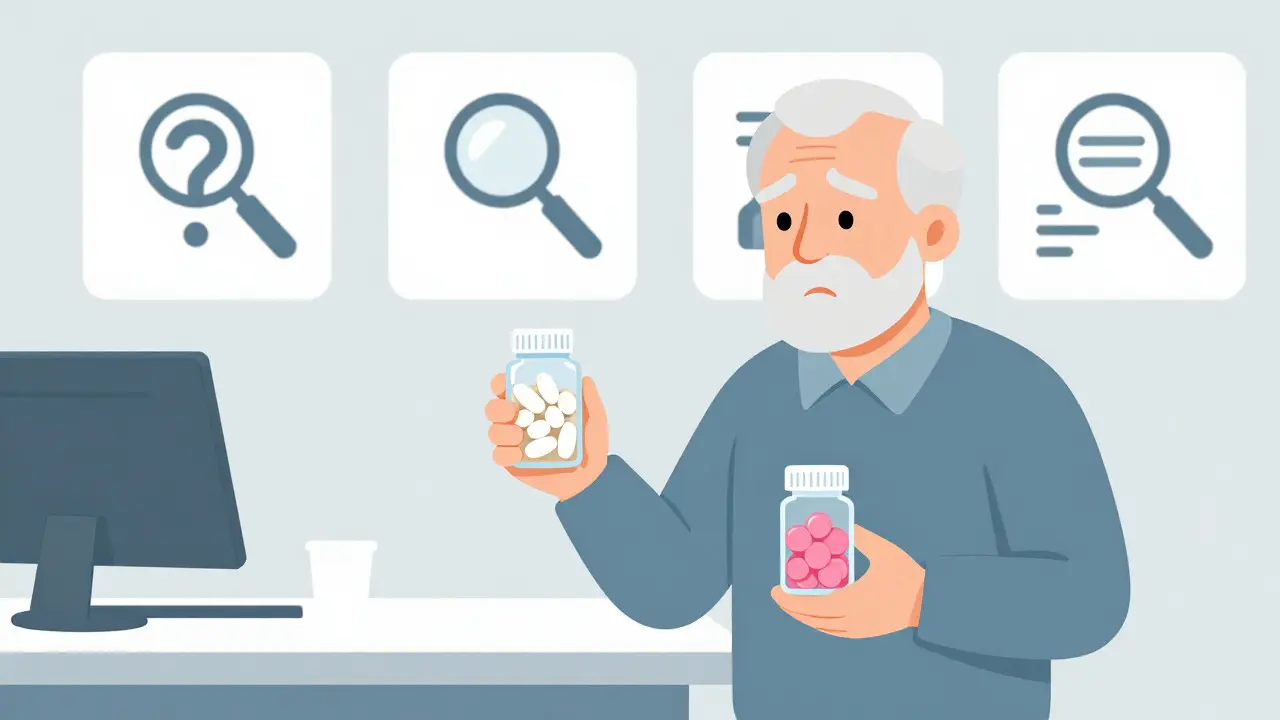
Imagine this: You’ve been taking the same blood pressure pill for years. It’s white, oval, and easy to spot in your bottle. One day, you go to the pharmacy, and the pharmacist hands you a pink, round tablet. Same name on the label? Yes. But does it look like the medicine you trust? For millions of patients, especially those with low health literacythe ability to access, understand, appraise, and use health information to make informed decisions, the answer is no. This visual mismatch isn’t just confusing-it’s dangerous.
Generic medications are the backbone of modern healthcare, making up 90% of all prescriptions by volume in the U.S. as of 2020. They contain the same active ingredients as brand-name drugs but often differ in color, shape, size, and inactive ingredients. While they are therapeutically equivalent, these cosmetic differences create a significant barrier for patients who struggle to process complex medical information. The result? Missed doses, accidental overdoses, and unnecessary trips to the emergency room.
The Real Cost of Confusion
It’s not just about looking different; it’s about understanding what that difference means. According to the National Network of Libraries of Medicine (NNLM), 80 million American adults have basic or below-basic health literacy skills. When these patients face a switch from a brand-name drug to a generic-or even between two different generic manufacturers-the confusion can be profound.
A 2016 study published in the Journal of Health Communication found that 42% of patients couldn’t correctly identify that generic drugs are therapeutically equivalent to their brand-name counterparts. That’s nearly half of all patients unsure if their cheaper alternative works the same way. This "generic distrust" is particularly high among Medicare beneficiaries with low literacy, who are 3.1 times more likely to refuse generic substitution according to a 2020 Kaiser Family Foundation analysis.
The consequences are tangible. The Institute for Safe Medication Practices documented 1,247 medication errors related to confusion between different generic versions of the same drug between 2015 and 2020. These weren’t minor mistakes; they represented 17% of all reported medication errors involving generics. In one real-world case shared on PatientsLikeMe, a diabetic patient stopped taking metformin for three days because the tablet changed from white to pink. The result? A trip to the ER for dangerously high blood sugar.
| Feature | Brand-Name Drugs | Generic Drugs |
|---|---|---|
| Active Ingredient | Standardized | Identical to brand |
| Appearance Consistency | High (consistent across fills) | Low (varies by manufacturer) |
| Patient Recognition | Easier due to marketing/advertising | Harder due to visual variability |
| Distrust Rate (Low Literacy) | 22% | 68% |
| Medication Error Contribution | Lower | Higher (due to switching) |
Why Visual Differences Matter More Than You Think
We tend to think of medication adherence as a matter of willpower. Did the patient remember to take the pill? But for many, the issue is recognition. If the pill doesn’t look right, patients assume something is wrong. A JAMA Internal Medicine study showed a 23% increase in non-adherence when patients received a visually different generic version of their usual medication.
This problem is exacerbated for elderly patients managing multiple conditions. A 2021 study in the Journal of the American Geriatrics Society found that 52% of older adults taking cardiovascular medications admitted to "pill dumping"-discarding medications that looked different-when generics were substituted. Why risk taking the wrong thing when you’re not sure what’s in the bottle?
The lack of standardization is a systemic failure. Unlike brand-name drugs, which maintain a consistent appearance through rigorous marketing and packaging control, generics are produced by hundreds of manufacturers. Each can choose its own colors, shapes, and coatings. While the FDA ensures therapeutic equivalence, it has historically done little to enforce visual consistency. This creates a fragmented landscape where the same drug can look completely different depending on which pharmacy supplies it.
Bridging the Gap: Practical Strategies for Patients and Providers
Solving this crisis requires action at every level-from policymakers to pharmacists to patients themselves. Here are proven strategies that are already making a difference.
For Healthcare Providers: The "Ask Me 3" Approach
The Partnership for Clear Health Communication developed the "Ask Me 3" program, now implemented in over 1,200 healthcare organizations. It trains providers to ask patients three critical questions before they leave:
- What is my main health problem?
- What do I need to do?
- Why is it important for me to do this?
When applied to medications, this includes explicitly asking: "Do you understand the difference between your brand-name and generic options?" Hospitals using this approach saw a 31% reduction in medication errors related to generic substitutions, according to a 2022 Agency for Healthcare Research and Quality (AHRQ) evaluation.
For Patients: The Brown Bag Review
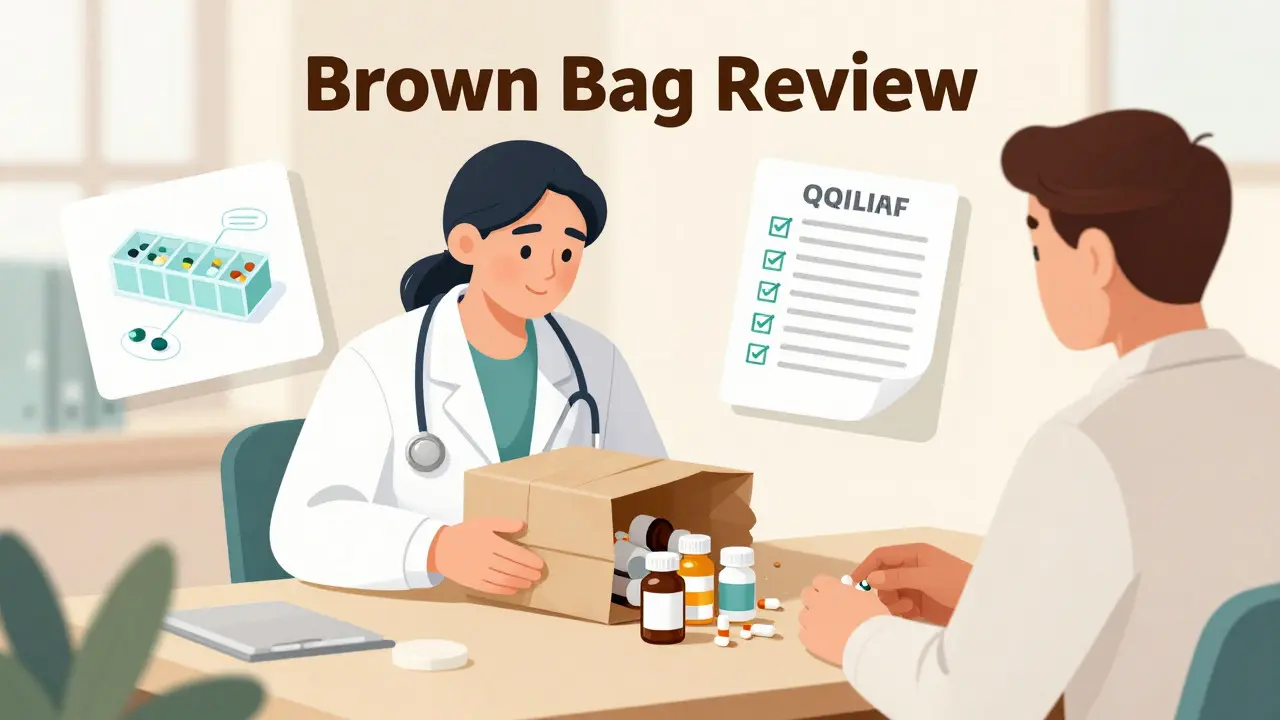
One of the simplest yet most effective tools is the "Brown Bag Medication Review." Bring all your medications-in their original containers-to every doctor’s appointment. This allows providers to see exactly what you’re taking, check for interactions, and explain any changes in appearance or formulation. Adopted by 78% of Medicare-certified home health agencies, this technique reduced medication discrepancies by 44% in a 2021 Johns Hopkins study.
Leveraging Technology: Visual Recognition Apps
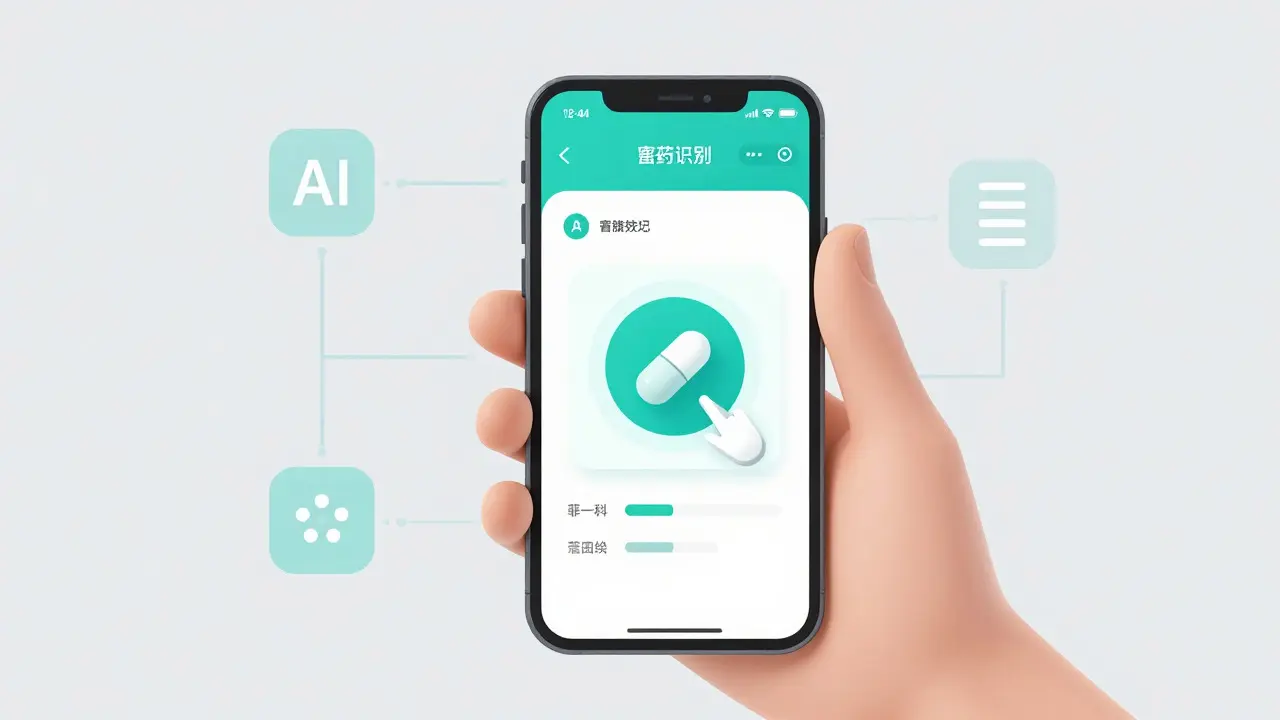
Digital tools are becoming increasingly sophisticated. Apps like Medisafe, used by 4.2 million patients, incorporate visual medication recognition features. A randomized controlled trial published in JMIR mHealth in 2022 found that these tools improved generic medication understanding by 37%. Even more promising, AI-powered recognition tools demonstrated a 63% improvement in understanding among patients with low health literacy in a June 2023 New England Journal of Medicine study.
Policy Changes and Industry Responses
The good news? The industry is waking up to this issue. The global health literacy market, valued at $3.2 billion in 2022, is projected to reach $6.8 billion by 2030, driven partly by the urgent need to improve generic medication communication.
In 2023, the FDA released draft guidance on "Improving Patient Understanding of Generic Medicines," proposing standardized color-coding for therapeutic classes. This builds on Australia’s successful "Medication Color Coding" system, which reduced errors by 33%. Meanwhile, the European Medicines Agency’s policy requiring standardized appearance for generics across member states has already reduced medication errors by 27%, according to preliminary data.
The Biden administration’s 2023 National Action Plan to Improve Health Literacy sets a specific target: reduce confusion-related errors by 25% by 2027. And the World Health Organization’s 2023 Global Health Literacy Action Plan identifies generic medication standardization as a top priority, with pilot programs in 15 countries showing a 41% improvement in correct medication use when visual consistency is maintained.
What You Can Do Today
You don’t have to wait for policy changes to protect your health. Here’s how to navigate the world of generics safely:
- Ask Questions: Never hesitate to ask your pharmacist why a pill looks different. Request the same manufacturer if possible, though this may not always be available.
- Use Pill Organizers Wisely: If you use a weekly organizer, take a photo of each compartment so you know what each pill should look like.
- Download a Medication App: Use apps with visual recognition features to verify your pills match what they should be.
- Keep a Medication List: Maintain an updated list of all your drugs, including brand names, generic names, dosages, and what they look like.
- Involve a Caregiver: If you manage multiple medications, involve a family member or friend in your medication reviews.
Health literacy isn’t just about reading labels; it’s about feeling confident in your care. By understanding the challenges of generic medications and using the tools available, you can turn confusion into clarity-and keep your health on track.
Are generic medications as effective as brand-name drugs?
Yes. Generic medications must contain the same active ingredients, dosage form, strength, route of administration, and intended use as the brand-name drug. The FDA requires them to meet the same standards for quality, performance, and stability. The only differences are usually in appearance, such as color, shape, or inactive ingredients like fillers or dyes, which do not affect therapeutic effectiveness.
Why do generic pills change appearance so often?
Generic drugs are manufactured by many different companies. When a patent expires, multiple manufacturers can produce the same drug. Each manufacturer chooses its own design for the pill’s color, shape, and markings. Pharmacies may also switch suppliers based on cost or availability, leading to sudden changes in how your medication looks, even though the active ingredient remains the same.
What should I do if my generic medication looks different?
First, check the label to ensure the drug name and dosage match your prescription. Then, contact your pharmacist immediately. They can confirm if the new appearance is from a different manufacturer of the same generic drug. If you’re still unsure, ask for a visual comparison or request the same manufacturer if available. Never stop taking prescribed medication without consulting your healthcare provider.
How can I improve my health literacy regarding medications?
Start by asking your doctor or pharmacist to explain your medications in plain language. Use the "Ask Me 3" method to clarify key points. Keep a written or digital log of your medications, including photos of the pills. Utilize reputable resources like the FDA’s website or hospital-provided materials. Finally, bring all your medications to appointments for a comprehensive review with your healthcare team.
Are there apps that help identify generic medications?
Yes. Several apps, such as Medisafe, WebMD Pill Identifier, and Drugs.com, offer visual identification tools. You can search by color, shape, and imprint code to verify what medication you have. Some newer AI-powered tools can even recognize pills from photos, helping patients with low health literacy confirm they are taking the correct drug. Always cross-check with your pharmacist for confirmation.