Antibiotics in Children: Side Effects, Allergies, and When to Use
 Aug, 19 2026
It is 2 AM. Your child has a fever of 102°F, is crying from ear pain, and you are wondering if it’s time for antibiotics. The pressure to get medication immediately is real, but here is the hard truth: most childhood illnesses are viral, meaning antibiotics won’t help at all. In fact, roughly 30% of outpatient antibiotic prescriptions for children are unnecessary. This article cuts through the noise to tell you exactly when these drugs work, what side effects to watch for, and how to handle allergies without panic.
Key Takeaways
- Antibiotics only treat bacterial infections, not viruses like the common cold or flu.
- Gastrointestinal issues like diarrhea and nausea are the most common side effects, affecting up to 25% of children.
- A mild rash is usually a side effect, not a true allergy; hives or breathing trouble indicate a serious reaction.
- Completing the full course is critical to prevent antibiotic resistance.
- If symptoms don’t improve after 48-72 hours, call your doctor instead of assuming the dose is too low.
When Do Children Actually Need Antibiotics?
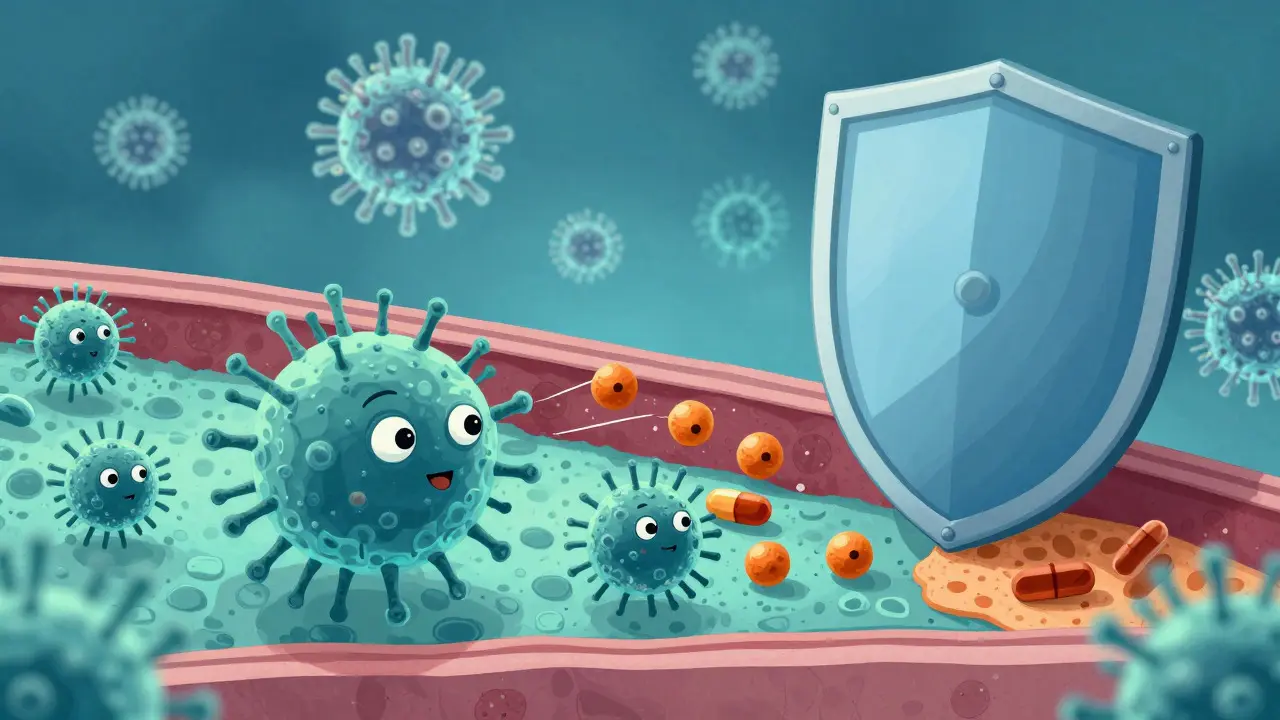
Before reaching for the medicine cabinet, you need to know what you’re fighting. Bacteria are tiny single-celled organisms that can cause specific types of infections. Unlike viruses, which replicate inside your child's cells, bacteria have unique structures that drugs can target without harming human tissue. However, this distinction matters because taking an antibiotic for a virus does nothing but expose your child to potential side effects.
According to data from Children's Hospital Colorado, only about 20% of sore throats are caused by bacteria (specifically strep throat). The other 80% are viral. Similarly, 99% of cases of diarrhea and vomiting in kids are viral. If your child has a runny nose, a cough, or a fever lasting less than three days, it is almost certainly viral. Antibiotics are typically reserved for:
- Acute otitis media (ear infections) with moderate to severe pain or fluid draining from the ear.
- Strep throat confirmed by a rapid antigen test or culture.
- Bacterial pneumonia (only about 10% of pneumonia cases in children).
- Urinary tract infections (UTIs), which are more common in girls under five.
The Centers for Disease Control and Prevention (CDC) explicitly states that antibiotics are inappropriate for acute bronchiolitis, the common cold, and most cases of sinusitis. If a doctor prescribes them, ask specifically which bacteria they are targeting. If the answer is “just to be safe,” you might want a second opinion or a discussion about watchful waiting.
Common Classes of Pediatric Antibiotics
Not all antibiotics work the same way. Doctors choose based on the type of infection, the child’s age, weight, and history of allergies. Here are the three main classes you will encounter:
| Class | Common Drugs | Typical Use | Dosing Frequency |
|---|---|---|---|
| Penicillins | Amoxicillin, Penicillin G | Ear infections, Strep throat, Sinusitis | Twice daily for 10 days |
| Cephalosporins | Cefdinir, Ceftibuten | Complicated ear infections, Pneumonia | Once or twice daily |
| Macrolides | Azithromycin, Erythromycin | Whooping cough, Mild pneumonia | Once daily for 3-5 days |
Amoxicillin is the first-line treatment for most suspected bacterial infections in children. It has a broad spectrum, meaning it kills many types of bacteria, and generally has a favorable safety profile. For acute otitis media, the CDC recommends a dose of 80-90 mg/kg/day divided into two doses. Azithromycin is popular because the course is short-often just three days-which makes compliance easier for fussy toddlers.
Navigating Side Effects vs. True Allergies
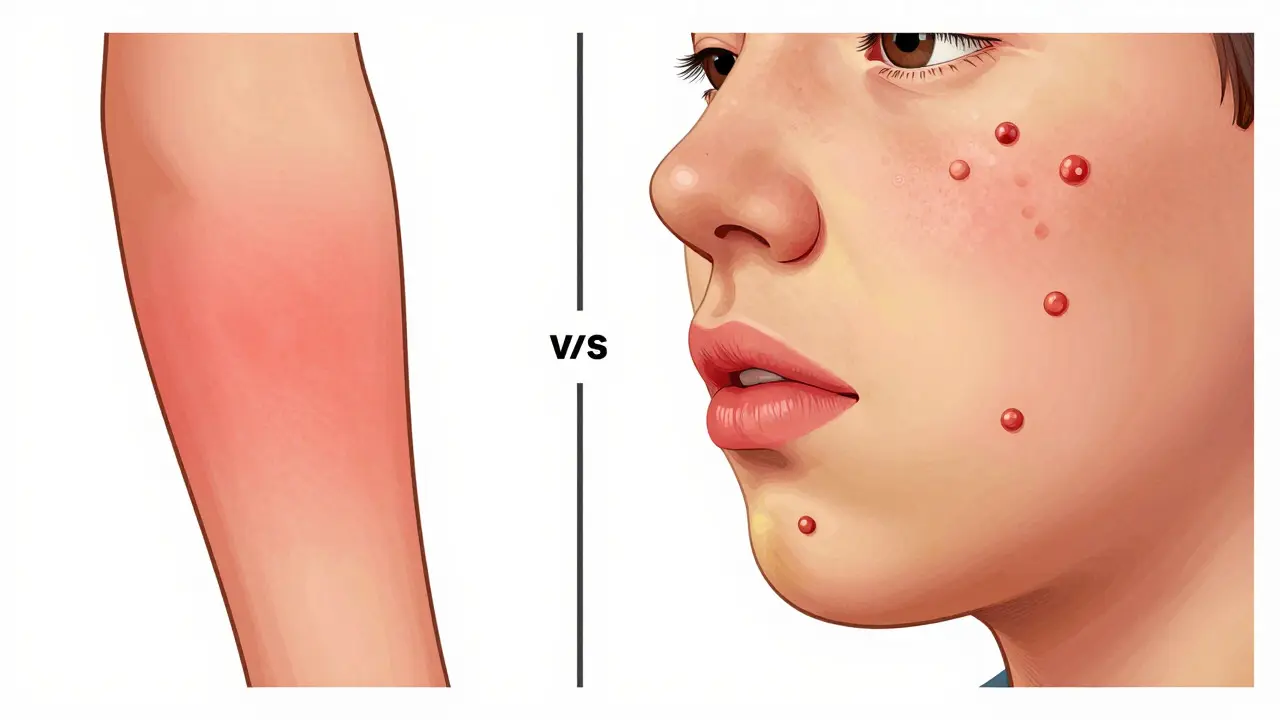
This is where parents often get confused. A red mark on the arm doesn't always mean your child is allergic. In fact, 80-90% of rashes associated with antibiotics are simple side effects, not immune reactions. Understanding the difference is crucial because labeling a child as “allergic” to penicillin unnecessarily limits their future treatment options.
Side effects are predictable reactions to the drug’s mechanism. They usually resolve once the medication is stopped. Common ones include:
- Diarrhea: Affects 5-25% of children. Caused by the disruption of gut bacteria.
- Nausea and Vomiting: Occurs in 3-18% of cases. Taking the dose with food can help.
- Mild Rash: Often appears 3-5 days into treatment. If there is no itching, swelling, or breathing difficulty, it is likely a benign side effect.
True allergies involve the immune system attacking the drug. These require immediate medical attention. Signs include:
- Hives (raised, itchy welts).
- Swelling of the lips, tongue, or face.
- Wheezing or difficulty breathing.
- Anaphylaxis (rare, but life-threatening drop in blood pressure).
Here is a surprising fact: family history does not predict a child’s allergy risk. Studies show that 95% of children labeled “allergic” based solely on a parent’s history can safely receive penicillin. If your child had a rash years ago, ask your pediatrician about a skin test before avoiding the drug permanently.
Practical Tips for Giving Medication
Even if you’ve decided on the right drug, getting it down the hatch is a battle. About 43% of children resist liquid antibiotics due to the bitter taste. Here are practical strategies that actually work:
- Use a Dosing Syringe: Kitchen spoons are inaccurate. A syringe ensures the exact milligram amount required for your child’s weight.
- Flavor Masking: Mix the liquid with a small amount of chocolate syrup or applesauce. Avoid large meals, as high-fat foods can sometimes interfere with absorption depending on the drug.
- The Vomit Rule: If your child vomits within 30 minutes of dosing, give the full dose again. If it happens between 30-60 minutes, give half the dose. After 60 minutes, assume the drug was absorbed and do not repeat.
- Consistency is Key: For amoxicillin, keep a 12-hour interval between doses. Set phone alarms. Missing a dose reduces effectiveness and increases resistance risk.
Monitor your child closely. You should see improvement in fever and behavior within 48 to 72 hours. If there is no change, call your doctor. Don’t just push through the remaining days of a useless prescription.
The Resistance Problem: Why Compliance Matters
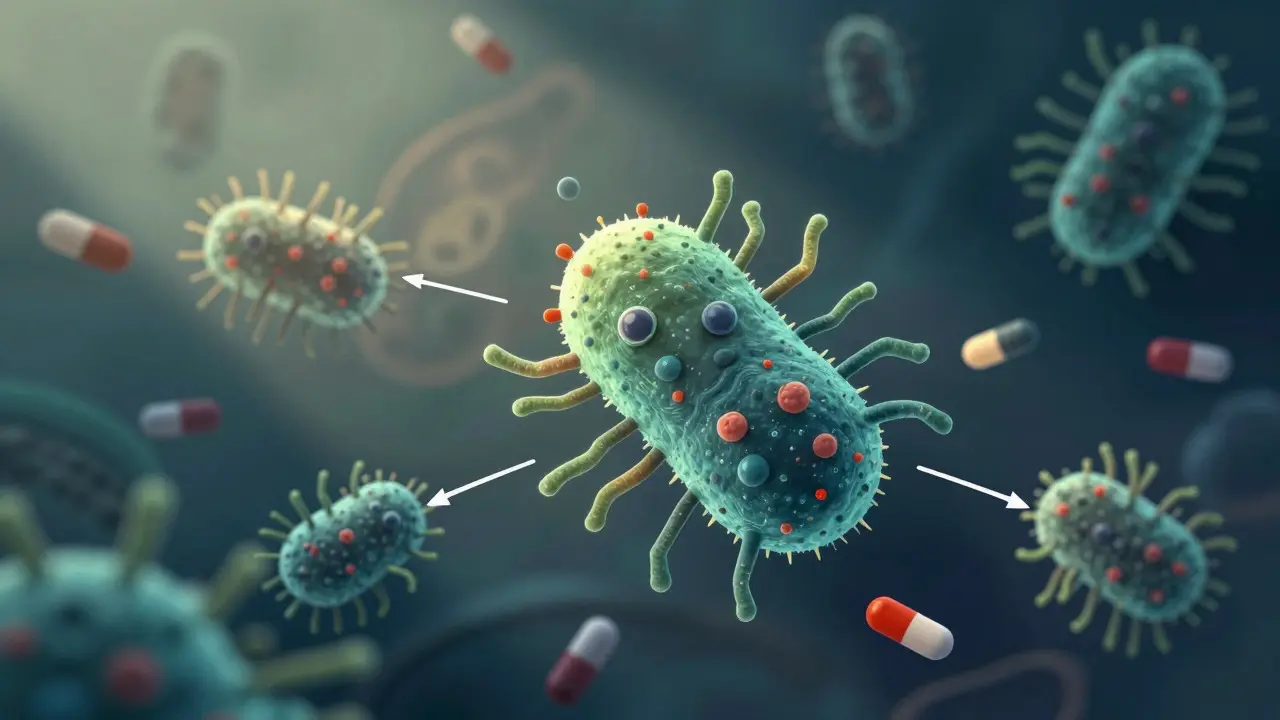
Antibiotic resistance is not just a statistic; it’s a growing threat. When bacteria are exposed to sub-lethal levels of antibiotics (because a parent stops the meds early), the strongest survivors multiply. By 2022, 47% of Streptococcus pneumoniae isolates showed penicillin resistance, up from 35% in 2013.
This means that standard treatments may fail in the future. Dr. Jason Newland, a pediatric infectious disease specialist, notes that resistant infections cause over 2.8 million illnesses annually in the U.S. To fight this, finish every last drop. Even if your child feels 100% better on day four of a ten-day course, the bacteria are still there. Killing them off completely prevents them from coming back stronger.
Frequently Asked Questions
Can I stop antibiotics early if my child feels better?
No. Stopping early leaves weaker bacteria alive, which can multiply and become resistant. Always complete the full prescribed course unless your doctor tells you otherwise.
Does yellow mucus mean my child needs antibiotics?
No. Yellow or green nasal discharge is a normal part of the healing process in viral colds. It indicates white blood cells fighting the virus, not necessarily bacteria. Duration and severity of symptoms matter more than color.
What if my child vomits after taking an antibiotic?
If vomiting occurs within 30 minutes, repeat the full dose. If it happens between 30 and 60 minutes, give half the dose. If it happens later than 60 minutes, wait for the next scheduled dose.
Are probiotics helpful during antibiotic treatment?
Yes. Probiotics can help restore healthy gut bacteria and reduce the risk of antibiotic-associated diarrhea. Give them at least two hours apart from the antibiotic dose to ensure the antibiotic doesn’t kill the probiotic strains.
How long does it take for an antibiotic to start working?
You should typically see a reduction in fever and improved energy within 48 to 72 hours. If there is no improvement after three days, contact your healthcare provider for reassessment.