What is an ANDA: Abbreviated New Drug Application Explained for FDA Approval
 Mar, 28 2026
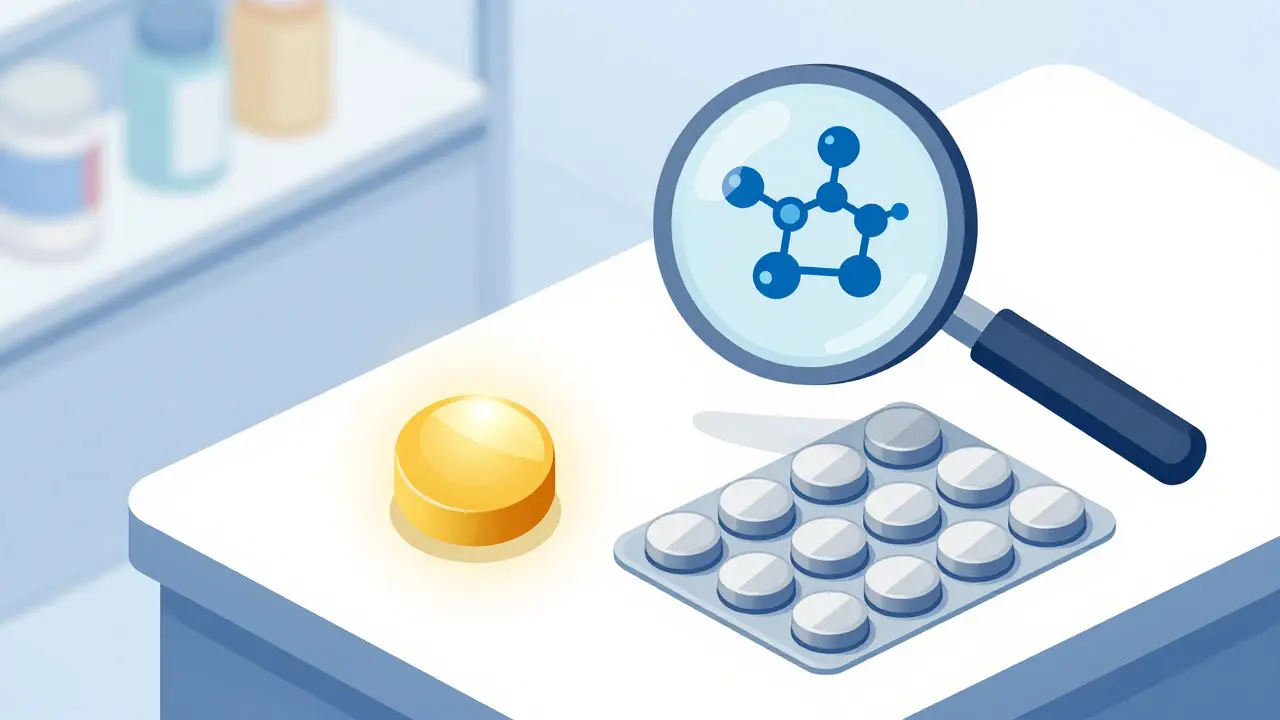
You likely take medication that costs pennies instead of dollars every day. That cheap price tag isn't magic; it's the result of a specific legal framework called the Abbreviated New Drug Application. Known simply as an ANDA, this pathway allows companies to manufacture generic versions of existing medicines without repeating expensive safety tests. If you work in pharmaceuticals, handle regulatory compliance, or are simply curious about why generic drugs are safe, understanding the ANDA is essential. It is the engine behind the massive savings seen in the U.S. healthcare system.
Without this pathway, the healthcare system would face skyrocketing costs because every version of a pill would need its own clinical trials. Instead, manufacturers rely on data already established by the original innovator company. Today, we break down exactly how this works, the science behind "generic equals brand," and the rules that keep everything in order.
The History and Purpose of the ANDA Pathway
To understand the abbreviation, you have to look at the year 1984. Before that date, a company wanting to sell a copy of an existing drug had to do almost the same testing as the inventor. This was inefficient and discouraged competition. Congress changed the game by passing the Drug Price Competition and Patent Term Restoration Act, widely known as the Hatch-Waxman Act.
This legislation created two distinct lanes for drug approval. One lane is for brand-new inventions, requiring a full New Drug Application (NDA). The other is the ANDA lane, designed for products that mimic an already approved drug. President Ronald Reagan signed this act on September 24, 1984, formally establishing the Office of Generic Drugs (OGD) within the Center for Drug Evaluation and Research (CDER). The goal was clear: increase access to medicine while lowering prices for consumers.
Since implementation, the system has been incredibly successful. As of recent reporting, over 11,000 generic drug products have gained approval through this route. These drugs now represent approximately 90% of all prescriptions filled in the United States. For patients, this means you can get the exact therapeutic effect without paying for the research and development costs that funded the original discovery.
Technical Requirements: What Makes an ANDA Valid?
When a manufacturer submits an application, they aren't just sending a letter saying "make a copy." They must prove their product is a twin to the reference drug. This proof falls into two technical buckets: pharmaceutical equivalence and bioequivalence.
Pharmaceutical Equivalence is straightforward. Your generic drug must have:
- The exact same active ingredient.
- The same dosage form (like a tablet or capsule).
- The same strength (such as 50mg versus 100mg).
- The same route of administration (oral, injection, etc.).
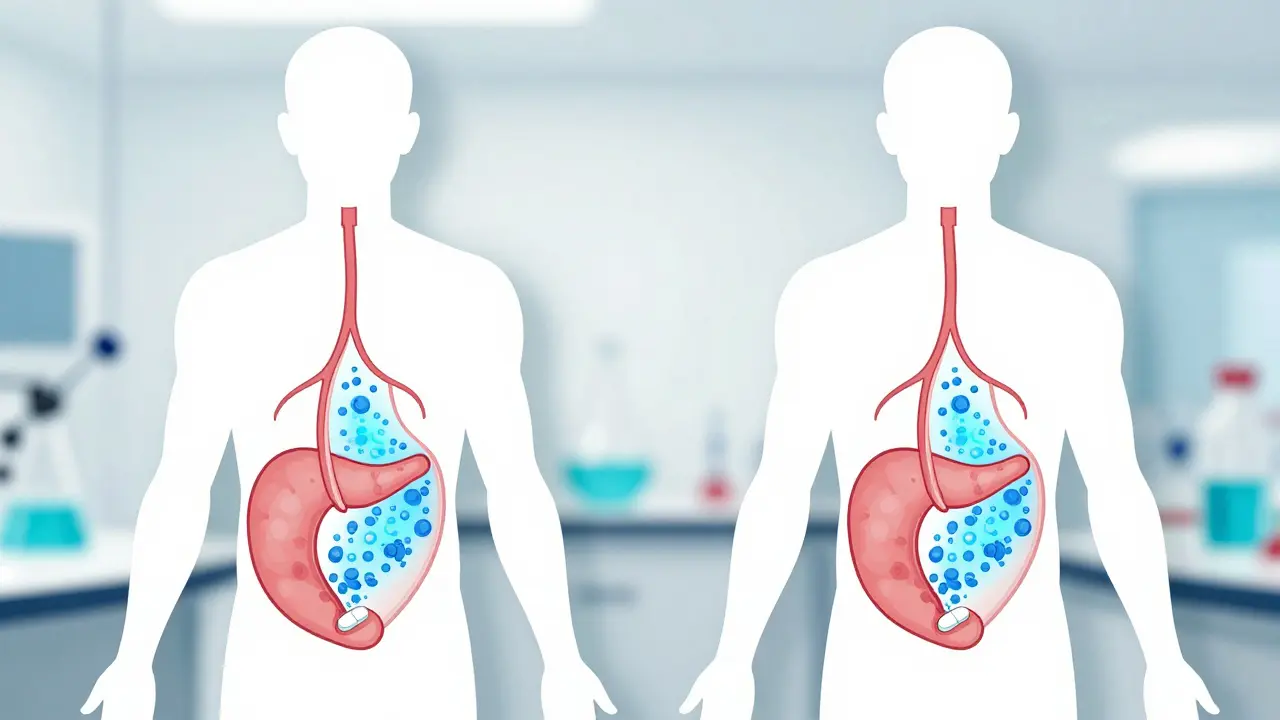
If these physical specs match, the next hurdle is Bioequivalence. This concept answers the question: does the body absorb the drug the same way? Manufacturers must conduct pharmacokinetic studies involving healthy volunteers. They measure how much drug gets into the bloodstream and how fast.
The standard metric involves calculating the Area Under the Curve (AUC) and the maximum concentration (Cmax). The math requires a 90% confidence interval ratio between the test product (your generic) and the reference-listed drug (the brand name) to fall strictly between 80% and 125%. In plain terms, the generic drug must deliver its effects within the same speed and amount window as the original. Minor differences in inactive ingredients-like dyes, fillers, or flavorings-are allowed, provided they do not alter safety or effectiveness.
Comparing ANDA vs. New Drug Application (NDA)
A common point of confusion is how an ANDA differs from an NDA. While both require FDA oversight, the burden of proof varies drastically depending on whether the molecule is new or existing.
| Feature | New Drug Application (NDA) | Abbreviated New Drug Application (ANDA) |
|---|---|---|
| Primary Use | New chemical entities | Generic copies of existing drugs |
| Clinical Trial Data | Required (Safety & Efficacy) | Rely on RLD data (Bioequivalence only) |
| Development Cost | $1-$2.6 Billion | $1-$5 Million |
| Timeline | 10-15 Years | 3-4 Years |
| FDA Review Goal | 10 Months (Priority) | 10 Months (Standard) |
Notice the cost disparity. Developing a novel drug involves animal studies, Phase I, II, and III human trials, which carries immense risk. An ANDA skips the heavy lifting of proving that the drug cures the disease or is non-toxic. The FDA assumes that if the chemistry matches the approved drug, the biology will too. This efficiency is why the average development time drops from over a decade to just a few years.
However, the approval clock starts ticking differently. Once patents expire on the original brand-name product, generic companies rush to file ANDAs. The first applicant to challenge the patent may receive 180 days of market exclusivity. This creates a high-stakes race among generic firms to be the "first mover" on a popular medication.
The Role of the Orange Book and Patent Certification
Before a generic drug hits shelves, it must exist on a specific master list. This document is the Orange Book, officially titled "Approved Drug Products with Therapeutic Equivalence Evaluations." It lists every drug approved by the FDA and assigns each a unique number. When you buy a pill, checking this book confirms if it has a therapeutically equivalent rating.
A critical step in the filing process involves patent certification. The manufacturer must certify against all patents listed for the original drug in the Orange Book. They state that their generic does not infringe on these patents or argue that the patents are invalid. This legal notification triggers a complex environment.
If the brand-name owner disagrees, they can sue for infringement. This lawsuit triggers an automatic 30-month stay on the FDA's ability to approve the generic. This period allows courts to resolve the patent dispute before the generic company enters the market. Consequently, regulatory approval and legal approval run parallel tracks, often delaying availability despite the FDA finding the product safe.
Timeline, Review Standards, and Common Hurdles
The FDA aims to be predictable. Under the Generic Drug User Fee Amendments (GDUFA), performance goals are set for review times. Standard applications generally target a 10-month review period once the submission is accepted. While this sounds efficient, getting to the "acceptance" stage is the hard part.
Data shows that roughly 32% of initial rejections stem from inadequate manufacturing controls. Another 27% fail due to insufficient bioequivalence data. A Complete Response Letter (CRL) from the FDA is the formal way they communicate these deficiencies. Companies receiving a CRL must fix the issues and resubmit, which can add months or years to the project lifecycle.
Not all drugs fit neatly into this model. Complex generics pose significant challenges. Products like nasal sprays, inhalers, or topical creams are difficult to test via standard blood absorption studies. For these, the FDA requires additional evidence to show similarity in clinical effect. This area remains a bottleneck, with fewer approvals compared to simple oral tablets.
Despite the hurdles, the economic impact is undeniable. Experts estimate the pathway saves the U.S. healthcare system over $2.2 trillion annually compared to hypothetical scenarios without generics. For companies, having a dedicated regulatory team is crucial, with data indicating specialized units improve first-cycle approval rates significantly compared to ad-hoc submissions.
Ensuring Compliance and Safety
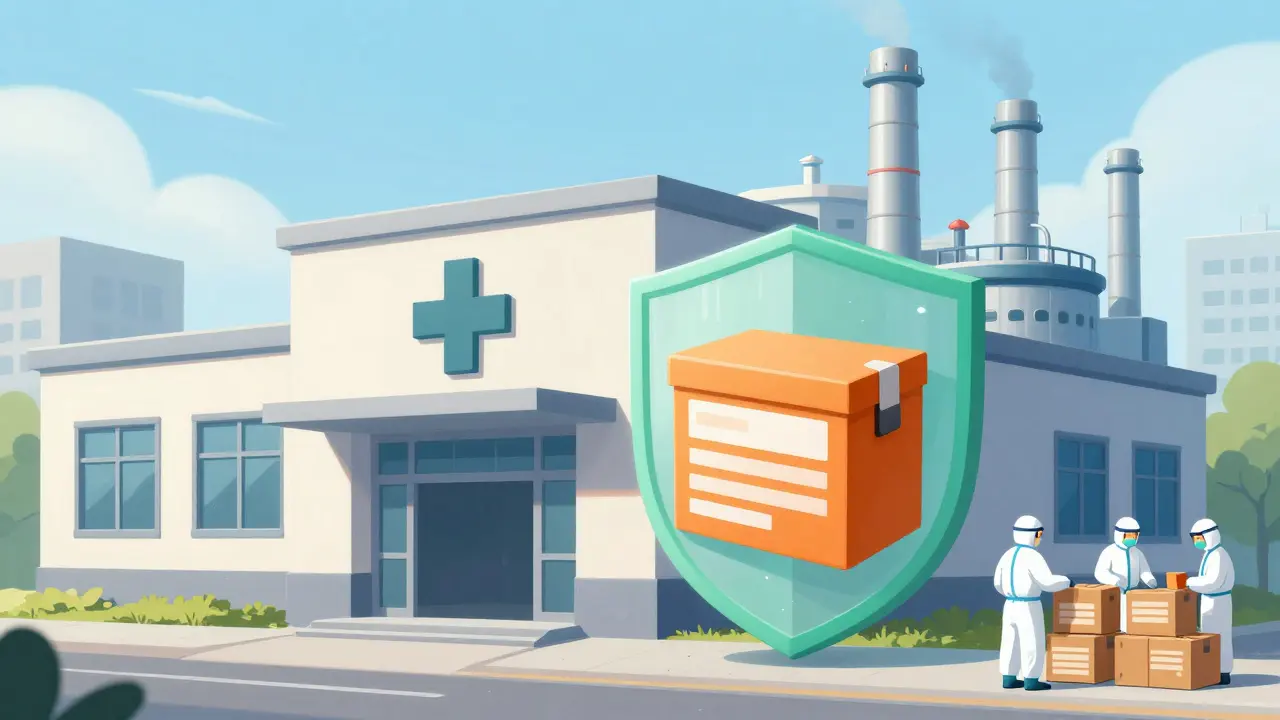
Safety monitoring doesn't stop at approval. Once a drug is marketed, it remains under surveillance. Any major changes to the manufacturing process-like moving production to a different facility-require prior FDA approval. This ensures that the quality control standards established during the application phase continue consistently.
Facility inspections are routine. The FDA checks for Good Manufacturing Practices (GMP). If a plant fails inspection, approvals can be suspended until fixed. Given that supply chains often stretch across borders, with many generic facilities located internationally, oversight is rigorous to prevent contamination or quality drift.
Summary
The Abbreviated New Drug Application is the backbone of affordable medicine in America. By leveraging existing safety data, it balances innovation incentives for inventors with competition benefits for the public. While navigating the legal and technical requirements demands precision, the result is a pipeline of safe, effective treatments that maintain high standards without redundant testing.
Does an ANDA replace the NDA?
No, an ANDA complements the NDA. An NDA brings a new invention to market, establishing safety first. An ANDA relies on the data established by the approved NDA (Reference Listed Drug) to prove a copy is equivalent.
How long does the FDA take to review an ANDA?
The statutory goal is 10 months for standard priority applications under the GDUFA performance metrics. However, patent disputes or the need for additional data can extend this timeline significantly.
Can I trust generic drugs approved this way?
Yes. The bioequivalence standard (80-125%) ensures the generic performs nearly identically to the brand drug in terms of absorption and effectiveness. The FDA maintains that they are therapeutically equivalent.
What happens if a company wants to change their factory?
Significant changes to manufacturing sites usually require pre-approval supplements to the original ANDA. The FDA inspects new facilities to verify they meet GMP standards before production begins.
Are all drugs eligible for an ANDA?
Most small-molecule drugs are eligible. Complex drugs (like inhalers) or biologics may follow different pathways or require special study designs because standard blood level tests might not capture all effects.
Jonathan Sanders
March 28, 2026 AT 21:32Honestly the only reason we take these pills is because insurance companies force us into generic hell regardless of what the Orange Book actually says.
emma ruth rodriguez
March 30, 2026 AT 15:58The regulatory framework established by the Hatch-Waxman Act represents a significant legislative intervention designed to balance innovation incentives with public health accessibility.
Manufacturers must demonstrate pharmaceutical equivalence through rigorous chemical matching protocols involving dosage forms and active ingredient purity standards.
Furthermore, bioequivalence studies utilize pharmacokinetic metrics such as Area Under the Curve calculations to ensure systemic absorption profiles remain within acceptable statistical confidence intervals.
It is crucial to understand that minor variations in excipients do not necessarily compromise therapeutic efficacy provided they meet Good Manufacturing Practice requirements.
Many stakeholders fail to recognize the substantial cost implications derived from avoiding redundant clinical trial phases for already validated molecular structures.
Consequently, the healthcare system benefits immensely from reduced administrative overhead associated with reviewing safety data for novel chemical entities versus generic equivalents.
Legal challenges regarding patent certifications often introduce unavoidable delays that complicate the statutory timeline goals set forth by recent user fee amendments.
The Office of Generic Drugs maintains strict oversight procedures to verify facility inspections across international supply chains regularly.
Compliance officers must monitor changes in manufacturing sites to prevent quality drift during the commercialization lifecycle of approved products.
Without this pathway, prescription pricing models would likely revert to monopolistic pricing structures seen in previous decades prior to deregulation efforts.
Patient access to medication remains heavily dependent upon the success rates of abbreviated submissions processing through the Center for Drug Evaluation and Research.
Statutory exclusivity periods provide limited market advantages to initial challengers who successfully navigate the patent litigation environment.
Regulatory divergence between small-molecule approvals and complex product categories continues to present operational hurdles for generic developers.
Ultimately, the integrity of the reference-listed drug comparison drives the scientific acceptance of therapeutically equivalent evaluations.
We must continue supporting policies that encourage competition while maintaining high safety thresholds for all consumable medical treatments distributed nationally.
Rick Jackson
April 1, 2026 AT 10:50I think there is a deeper philosophical implication here regarding how society values intellectual labor versus collective health outcomes.
The tension between profit and access is always going to define this sector.
Beccy Smart
April 1, 2026 AT 21:52Wow so much talk about laws when the real issue is greed 😤💊💸
You guys ignore that big pharma just wants to keep prices high forever.
sanatan kaushik
April 3, 2026 AT 00:45In India we know that generics save lives every single day.
Patents should not be used to block access to medicine for poor people.
This system needs to change globally and fast.
Debbie Fradin
April 4, 2026 AT 12:48It is amusing how everyone acts surprised that generic drugs work just like the brand names.
The math checks out so clearly that denial feels silly at this point.
We should all celebrate the savings instead of fearing change.
Jonathan Alexander
April 5, 2026 AT 10:20The dramatic shift in cost perception is something that truly resonates with everyone watching their wallet drain slowly.
I feel the weight of those prices constantly hanging over my household budget decisions.
Charles Rogers
April 6, 2026 AT 22:43People rarely understand the intricate legal dance required to file an ANDA without triggering a lawsuit.
Navigating the Orange Book requires specialized knowledge that most consumers lack entirely.
Companies spend millions on certification alone just to prove they are not infringing.
Then you wait months for the patent challenge resolution before the drug hits shelves.
It is a high-stakes game of monopoly breaking that few play well enough.
Adryan Brown
April 7, 2026 AT 21:44We need to find a middle ground where innovators are rewarded but patients are not priced out of survival.
The current system works for some stakeholders yet leaves others behind in terms of affordability.
Perhaps a more collaborative approach between regulators and manufacturers could shorten review times significantly.
Global health security depends on having stable access to affordable medications regardless of border locations.
We should prioritize transparency in how exclusivity periods are calculated and awarded to early filers.
Christopher Curcio
April 9, 2026 AT 05:28From a PK perspective the bioequivalence limits are tight enough to ensure safety margins are preserved.
We see low variability in AUC values when comparing RLD to test formulations in healthy volunteer cohorts.
Therapeutic equivalence ratings validate that clinical performance matches despite different inactive components.
GMP compliance ensures that scale up manufacturing does not introduce process-related risks.
Angel Ahumada
April 9, 2026 AT 22:13Most people discussing this topic simply lack the fundamental education to understand why patents matter
they think economics is just about making things cheap without considering R&D costs
it is frustrating to see basic concepts misunderstood by the general populace