What Are Drug Side Effects: Definition, Causes, and Real-World Examples
 Dec, 6 2025
Drug Side Effect Risk Calculator
Your Risk Factors
Personalized Risk Assessment
Key Factors Affecting Your Risk
Every time you take a pill, injection, or liquid medicine, your body reacts - not just to the intended effect, but often to something unexpected. That’s a drug side effect. It’s not a mistake. It’s not always bad. And it’s not rare. In fact, almost everyone who takes medication experiences at least one side effect at some point.
What Exactly Is a Drug Side Effect?
A drug side effect is any unintended consequence of taking a medication. The U.S. Food and Drug Administration (FDA) defines it as an unwanted, undesirable effect that’s possibly linked to the drug. This includes everything from a mild headache to a life-threatening reaction. The key word here is unintended. If you’re taking a blood pressure pill to lower your pressure, but you end up with a dry cough, that cough is a side effect - not the goal of the treatment. It’s easy to confuse side effects with allergic reactions. An allergy involves your immune system and can cause swelling, hives, or trouble breathing. Side effects are usually just your body responding to the chemical action of the drug. For example, an antibiotic might kill harmful bacteria causing an infection, but it also wipes out good gut bacteria, leading to diarrhea. That’s not an allergy - it’s a side effect. Even more surprising: some side effects can be helpful. Finasteride, used to treat enlarged prostates, often causes hair growth as a side effect. That’s why it’s now also used to treat male pattern baldness. Minoxidil, originally developed for high blood pressure, was found to stimulate hair growth - and became the top treatment for thinning hair. Side effects aren’t always bad. They’re just not the main reason you took the drug.Why Do Side Effects Happen?
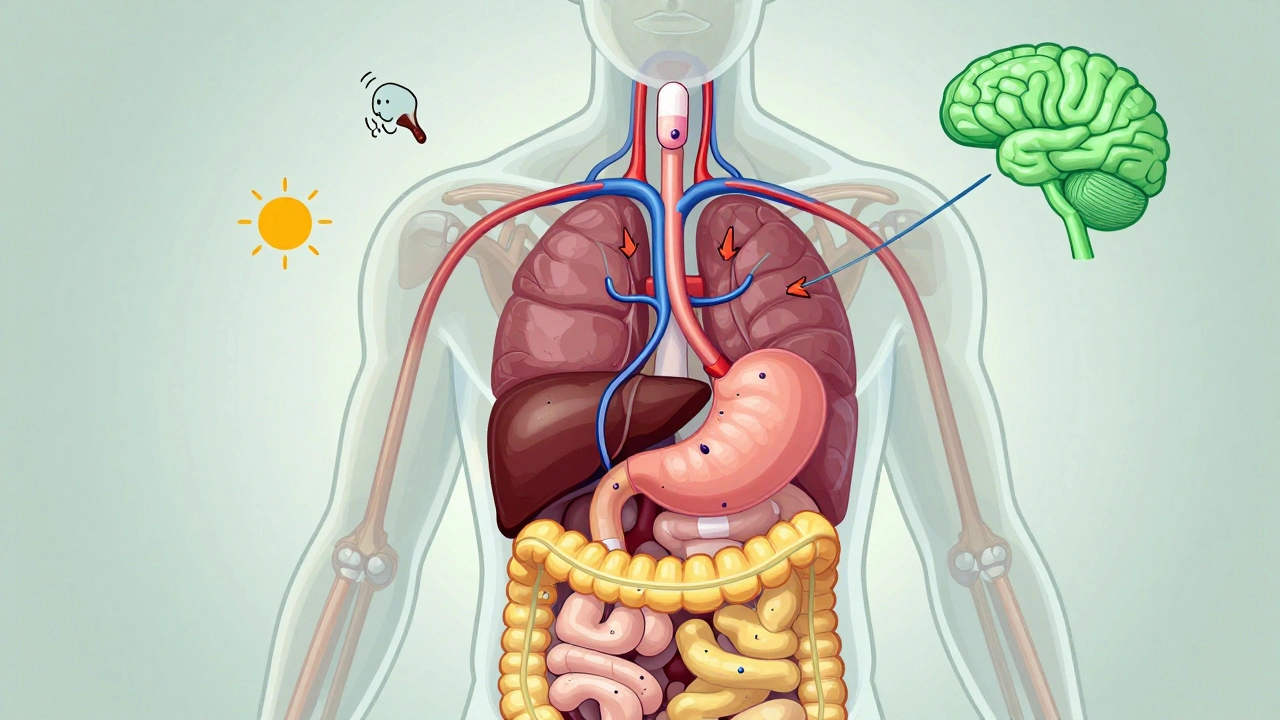
Drugs don’t pick and choose which cells to affect. They move through your bloodstream and interact with receptors, enzymes, and tissues wherever they find a match. That’s why a heart medication might also affect your stomach, or a depression pill might make you gain weight. There are two main types of side effects, based on how predictable they are:- Type A (Predictable): These make up 85-90% of all side effects. They’re linked to the drug’s main action and usually get worse with higher doses. Think nausea from antibiotics or dizziness from blood pressure meds. They’re annoying, but rarely dangerous.
- Type B (Unpredictable): These are rarer - only 10-15% - but more serious. They’re not tied to the dose and can’t be easily predicted. Think severe skin reactions or liver damage from a drug that worked fine for years. These are the ones that lead to drug recalls.
Common Examples of Drug Side Effects
Here are real, documented side effects from widely used medications - not theoretical, not rare, but common enough to affect millions:- NSAIDs (like ibuprofen or naproxen): Cause stomach irritation or ulcers in 15-30% of regular users. That’s why doctors often prescribe a stomach-protecting drug along with them.
- Antibiotics (like amoxicillin or ciprofloxacin): Lead to diarrhea in 5-30% of patients. The drug kills bad bacteria, but also wipes out good ones in your gut.
- Doxycycline (an antibiotic): Makes your skin super sensitive to sunlight. About 10% of users get severe sunburns - even after brief exposure.
- Statins (like atorvastatin): Cause muscle pain in up to 10% of users. But here’s the twist: a 2022 Mayo Clinic study found 62% of those cases were nocebo effects - meaning patients felt pain even when given a sugar pill, just because they expected it.
- Chemotherapy drugs: Cause nausea and vomiting in 30-90% of patients, depending on the drug. New anti-nausea meds help, but many still struggle.
- Immune checkpoint inhibitors (cancer drugs): Trigger immune-related side effects in 60-85% of patients. These can include colitis, thyroid problems, or even type 1 diabetes - because the drug turns your immune system against your own tissues.
- SGLT2 inhibitors (for diabetes): Carry a 1.77-fold higher risk of lower limb amputations, based on data from the CANVAS trial. That’s why the FDA added a boxed warning in 2022.
What You’re Not Being Told About Side Effects
Medication guides list every possible side effect - even the ones that happen once in 100,000 people. That’s because the law requires it. But here’s the problem: most people think if it’s listed, it’s likely to happen to them. A 2023 Consumer Reports survey found 57% of U.S. adults believed every side effect listed in their pill bottle would definitely happen to them. That’s not how it works. If a side effect is listed as “rare” (1 in 1,000 to 1 in 10,000), your chance of getting it is tiny. But fear doesn’t care about statistics. Worse, many people quit their meds because of side effects - without telling their doctor. A Reddit analysis of over 1,200 threads showed 42% of users stopped taking a drug because of side effects, and most didn’t consult anyone. That’s dangerous. Sometimes the side effect is temporary. Sometimes a lower dose helps. Sometimes switching drugs fixes it. But quitting cold can be worse than the side effect itself. And here’s another blind spot: side effects don’t always show up right away. Some appear after months or even years. A drug that’s been on the market for a decade might suddenly get a new warning because enough people reported a rare reaction. That’s why pharmacovigilance - the science of tracking side effects after approval - is so critical.How to Manage Side Effects - and When to Act
You don’t have to suffer through side effects. Here’s what works:- Don’t stop cold. Talk to your doctor first. Some side effects fade in a week or two as your body adjusts.
- Ask about timing. Taking a pill with food can reduce stomach upset. Taking a sleep aid at night avoids daytime drowsiness.
- Check for interactions. Mixing alcohol with certain painkillers or antidepressants can be deadly. Use the FDA’s MedWatcher app to scan your meds and spot risks.
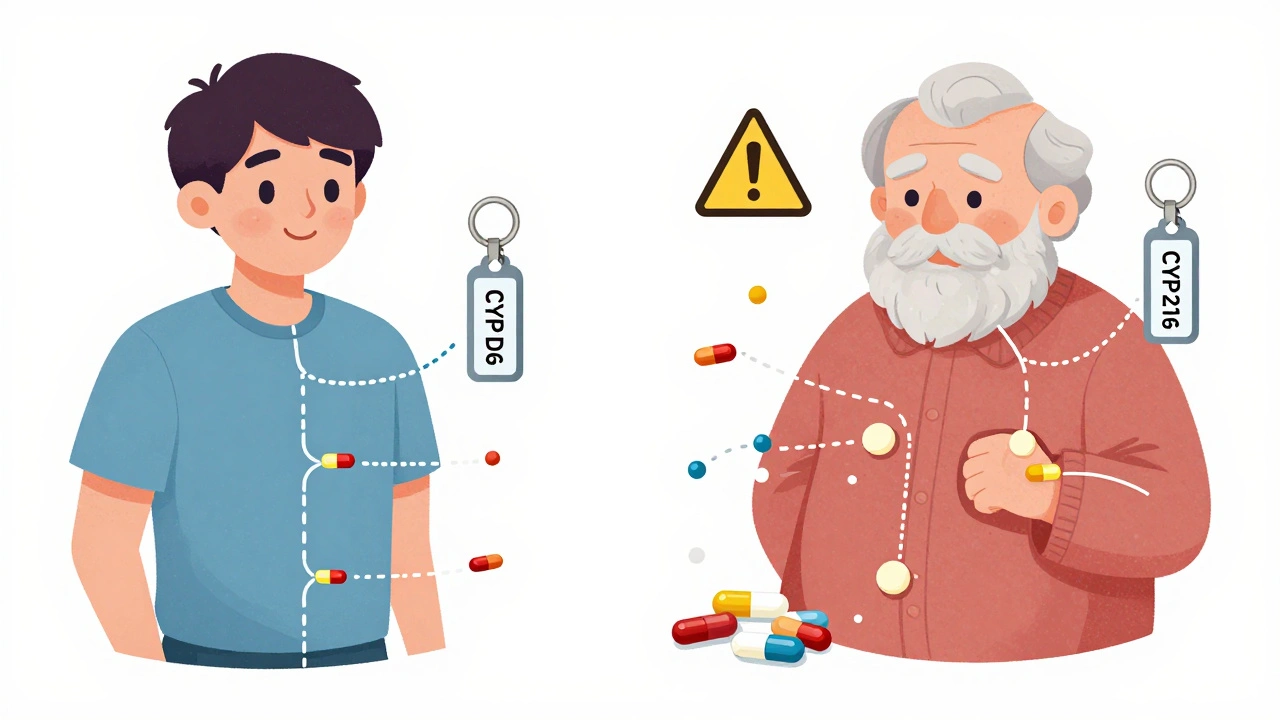
- Consider pharmacogenetic testing. If you’ve had bad reactions to multiple drugs, a simple DNA test can show if you’re a slow or fast metabolizer. Testing for CYP2D6 before tamoxifen therapy can prevent 12,000 breast cancer recurrences a year in the U.S.
- Use the Beers Criteria. If you’re over 65, ask your doctor if any of your meds are on this list of high-risk drugs for seniors. Some common ones include anticholinergics, benzodiazepines, and certain NSAIDs.

The Bigger Picture: Why Side Effects Matter
Side effects aren’t just personal annoyances. They’re a public health issue. In U.S. hospitals alone, adverse drug events cause 7,000-9,000 deaths each year and cost $3.5 billion in extra care. Many of these are preventable. New tools are helping. The FDA’s Sentinel Initiative tracks safety data from over 200 million electronic health records. It catches problems 18-24 months faster than old reporting systems. The NIH’s All of Us program has collected genetic and health data from 3.5 million people, helping identify 47 new genetic links to unexpected drug reactions. And patients are playing a bigger role. The FDA’s MedWatcher app lets you report side effects in real time. Early data shows 23% of users spotted drug interactions their doctors missed. The future is personalized. Instead of giving everyone the same dose of a drug, we’ll soon be able to predict your side effect risk based on your genes, age, kidney function, and other meds you take. That’s not science fiction - it’s already happening in clinics across the country.Final Thought: It’s About Risk vs. Reward
No drug is perfect. Every medication carries a trade-off. The question isn’t whether side effects exist - it’s whether the benefit outweighs the risk. For someone with severe arthritis, stomach pain from ibuprofen might be worth it. For someone with mild pain, maybe a non-drug option is better. For a cancer patient, hair loss and nausea are temporary - but survival is permanent. The goal isn’t to avoid side effects at all costs. It’s to understand them, manage them, and make informed choices with your doctor. Because sometimes, the side effect isn’t the enemy - the untreated disease is.Are all side effects dangerous?
No. Most side effects are mild and temporary - like dry mouth, drowsiness, or a mild headache. These often fade as your body adjusts. Only a small percentage are serious, like liver damage, severe allergic reactions, or heart rhythm changes. The key is knowing which ones require immediate medical attention.
Can side effects show up years after starting a drug?
Yes. Some side effects are delayed. For example, long-term use of proton pump inhibitors (PPIs) for heartburn has been linked to bone loss and kidney problems after several years. Certain psychiatric drugs can cause tardive dyskinesia - involuntary movements - after months or years of use. This is why ongoing monitoring matters, even if you’ve been on a drug for a long time without issues.
Why do some people get side effects and others don’t?
Genetics, age, weight, liver and kidney function, other medications, and even diet can all play a role. For example, people with certain CYP450 gene variants process drugs slower, making side effects more likely. Older adults are more sensitive. Someone with kidney disease can’t clear drugs as easily. It’s not random - it’s biology.
Should I stop taking my medicine if I have a side effect?
Never stop without talking to your doctor first. Some side effects are normal and temporary. Stopping suddenly can cause withdrawal symptoms or make your condition worse. For example, stopping blood pressure meds abruptly can cause a dangerous spike in pressure. Your doctor can adjust the dose, switch drugs, or suggest ways to reduce the side effect.
Are side effects listed in the package insert all likely to happen to me?
No. The list includes every side effect ever reported - even if it happened once in 100,000 people. Just because it’s listed doesn’t mean it’s common. Look for frequency labels like “common” (1 in 10), “uncommon” (1 in 100), or “rare” (1 in 1,000). If you’re unsure, ask your pharmacist to explain what’s likely versus what’s just possible.
Can lifestyle changes reduce drug side effects?
Yes. Taking a drug with food can reduce stomach upset. Staying hydrated helps your kidneys flush out drugs faster. Avoiding alcohol can prevent dangerous interactions. Eating potassium-rich foods can help offset potassium loss from diuretics. Small changes can make a big difference in how you tolerate medication.
Do natural supplements have side effects too?
Absolutely. Just because something is “natural” doesn’t mean it’s safe. St. John’s Wort can interfere with antidepressants, birth control, and blood thinners. Garlic supplements can increase bleeding risk before surgery. High-dose vitamin E has been linked to increased mortality in some studies. Supplements are drugs too - they interact, they have side effects, and they’re not regulated like prescription meds.
How do doctors decide if a drug’s side effects are worth it?
They weigh the benefit against the risk. For a life-threatening condition like cancer or heart failure, even serious side effects may be acceptable. For a mild condition like occasional headaches, they’ll start with the safest option. They also consider your age, other health issues, and your personal preferences. It’s a conversation - not a one-size-fits-all decision.
Side effects are part of modern medicine - not a flaw, but a feature of how drugs interact with complex human biology. Understanding them helps you take control. Not fear them. Not ignore them. Manage them - with knowledge, communication, and the right support.
Ashley Farmer
December 7, 2025 AT 01:25It's so easy to panic when you see a long list of side effects, but most of them are statistical noise. I've been on statins for five years and only got mild muscle fatigue at first-turned out it was dehydration. Now I drink more water and it's fine. Your body adapts more than you think.
Helen Maples
December 7, 2025 AT 01:37Stop blaming the drug and start blaming the system. Doctors don’t have time to explain this stuff. Patients get a pamphlet written in legalese and told to ‘read the fine print.’ Meanwhile, the pharmaceutical reps are in the office selling the next big thing. This isn’t medicine-it’s a numbers game.
Desmond Khoo
December 8, 2025 AT 00:06Statins giving you muscle pain? Try CoQ10. 🙌 I was skeptical but after two weeks, my leg cramps vanished. Also, don’t skip the vitamin D-your body needs it to process all these meds. Side effects aren’t the enemy, ignorance is. 📚💪
Kyle Oksten
December 8, 2025 AT 21:25Every drug is a compromise between biology and intention. The body isn’t a machine with clean inputs and outputs-it’s a chaotic, evolving ecosystem. We treat pills like magic bullets, but they’re more like throwing a rock into a pond. The ripples are inevitable. The real question isn’t whether side effects exist-it’s whether we’re willing to accept the complexity of healing.
Sadie Nastor
December 10, 2025 AT 06:38my doc gave me this new med and i was scared to read the list… then i saw ‘rare: spontaneous unicorn summoning’ and just laughed 😅 turns out it was just dizziness. i feel dumb now but also way less anxious. thanks for the real talk.
Nicholas Heer
December 10, 2025 AT 17:05They don’t want you to know this but every side effect is intentional. The FDA, Big Pharma, and the WHO are all in on it-side effects keep you coming back. That’s why they list every possible reaction, even ones that haven’t happened since 1973. You think your headache’s from the pill? Nah. It’s from the microchips in the coating. Wake up.
Sangram Lavte
December 12, 2025 AT 15:06In India, we don’t get these detailed guides. You get a pill and a smile. Sometimes you get lucky. Sometimes you don’t. But we learn fast-your body tells you. I took an antibiotic and got diarrhea. I stopped, drank yogurt, waited. Done. No app needed. Simple.
Olivia Hand
December 13, 2025 AT 15:02Here’s the quiet truth: side effects aren’t bugs-they’re fingerprints. They’re your body’s way of whispering, ‘Hey, this chemical is talking to something you didn’t ask it to.’ The real failure isn’t the drug. It’s the assumption that one-size-fits-all dosing is scientific. We’re not lab rats. We’re genetic mosaics with different metabolisms, gut microbiomes, and life histories. We need pharmacogenomics in every clinic, not just the fancy ones. And yes, that means insurance should pay for it. Your DNA isn’t a luxury. It’s the key to not dying because your doctor guessed wrong.