Vestibular Rehabilitation Therapy: Exercises to Prevent Falls and Improve Balance
 Feb, 5 2026
Every year, one in four older adults falls. For many, dizziness and balance issues make everyday tasks risky. Vestibular Rehabilitation Therapy (VRT) offers a proven way to regain stability without surgery or heavy medication. Vestibular Rehabilitation Therapy (VRT) is an exercise-based treatment program designed to help the brain compensate for inner ear problems. Developed in the 1980s, it focuses on improving gaze stability, postural control, and reducing vertigo symptoms through neuroplasticity.
How VRT Works: The Science Behind Balance Recovery
Your inner ear balance system sends signals to your brain about movement and position. When this system gets damaged-by aging, infection, or injury-the brain gets confused. This causes dizziness or unsteadiness. VRT trains your brain to use other cues, like vision or leg sensations, to stay balanced. It works because your brain can rewire itself. This ability is called neuroplasticity. Clinical studies show VRT improves gaze stability by 68% and balance by 73% within 6-8 weeks of consistent practice. It also reduces headaches by 37% and nausea by 42%.
Key Vestibular Exercises for Daily Practice
The most effective vestibular exercises focus on retraining your brain to handle movement. These routines are simple and can be done at home. Start slow, and always follow your therapist’s guidance.
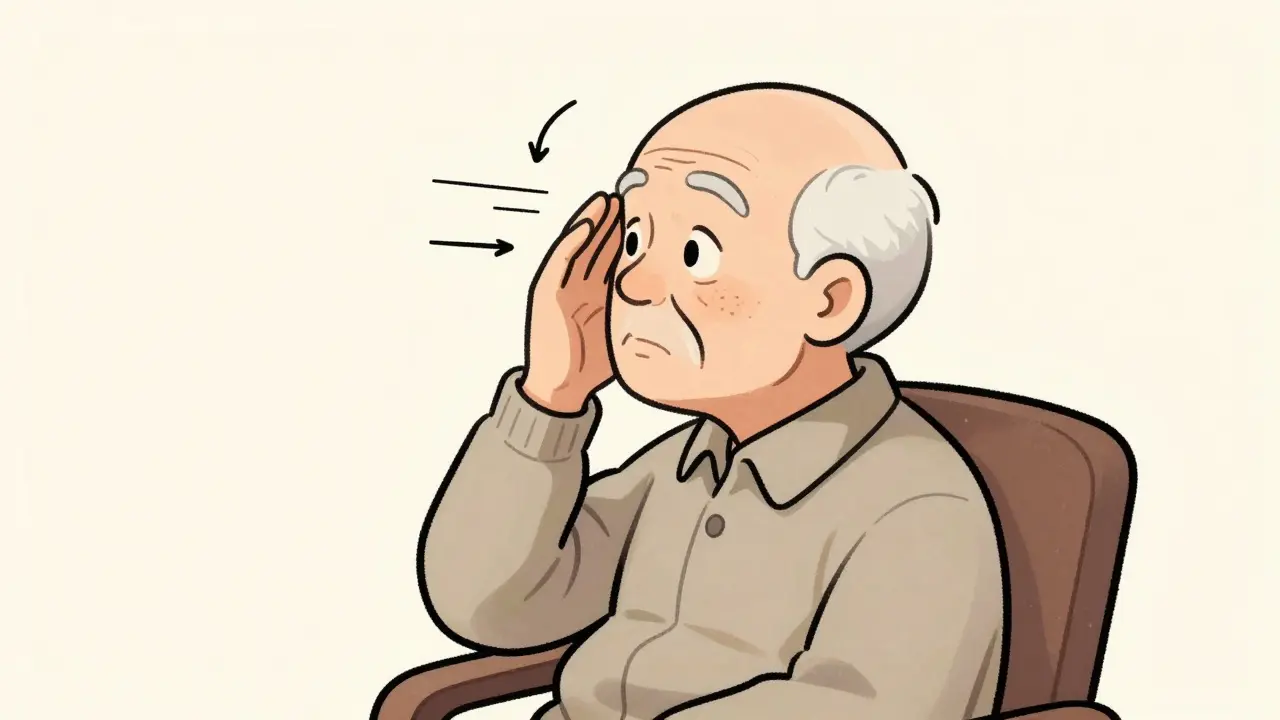
- Gaze stabilization: Sit in a chair. Focus on a letter on a wall. Move your head side to side slowly while keeping eyes on the letter. Do this for 2 minutes, 3 times daily. This helps keep your vision clear when moving.
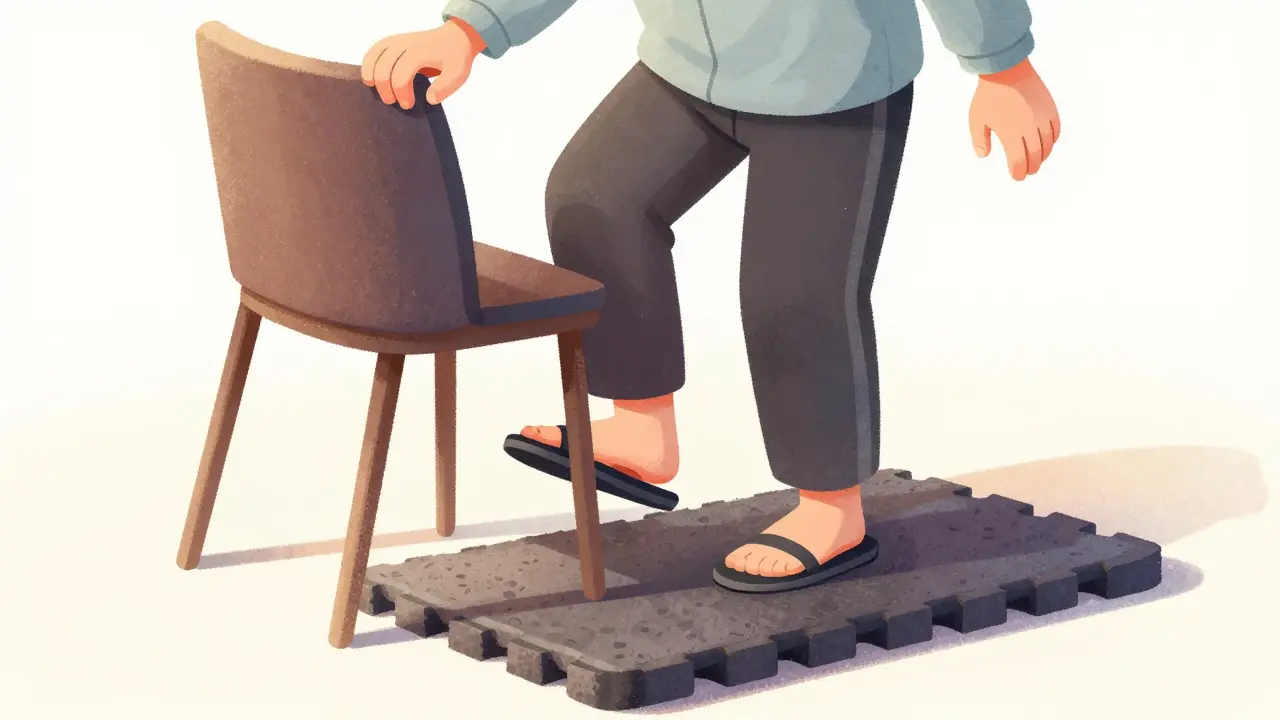
- Balance training: Stand with feet together. Hold a chair for support. Lift one foot off the ground and hold for 10 seconds. Repeat 5 times on each side. Progress to doing this on a soft surface like a pillow. This builds stability for walking on uneven ground.
- Habituation exercises: Turn your head quickly while walking. Repeat this 10 times. Do it 3 times a day. This trains your brain to ignore confusing signals from the inner ear.
Consistency matters more than intensity. Even 5-minute sessions daily build brain adaptation. Skipping days slows progress. Always stop if you feel severe dizziness or nausea.
Who Benefits Most from Vestibular Rehabilitation?
VRT works for many balance disorders. It’s especially helpful for:
- Benign Paroxysmal Positional Vertigo (BPPV) is a common condition where tiny calcium crystals in the inner ear become dislodged, causing brief but intense vertigo when moving the head. It affects about 2.4% of the population and responds well to VRT.
- Meniere’s Disease is a chronic inner ear disorder causing vertigo, hearing loss, and tinnitus. VRT helps manage symptoms like dizziness during flare-ups, though it doesn’t cure the disease itself.
- Vestibular Neuritis is an inner ear infection that causes sudden, severe vertigo. VRT helps the brain recover from this damage, with most patients improving within 3-4 weeks of therapy.
Older adults benefit greatly. Sixty-five percent of adults over 65 experience dizziness, and 30% of this group fall annually. VRT cuts fall risks by 53% in seniors, based on data from Texas Health Resources. It’s safe for people with multiple health conditions, like arthritis or heart disease.
What to Expect During Treatment
VRT typically involves 6-8 weeks of therapy. You’ll work with a physical therapist 1-2 times per week. They’ll teach you specific exercises tailored to your needs. At home, you’ll do exercises 3-5 times daily. Each session takes 5-10 minutes. The goal is to gradually challenge your balance without causing severe symptoms.
Your therapist might start with simple movements like head turns while sitting. As you improve, they’ll add walking exercises or balance challenges on uneven surfaces. For example, you might practice walking in a dark room or on a foam pad. The key is to keep provoking mild dizziness-this helps your brain adapt faster. Avoiding dizzy situations only prolongs recovery.
Real Patient Success Stories
Rhonda, a 72-year-old from Texas, struggled with frequent dizzy spells. She couldn’t shop or cook without help. After 6 weeks of VRT, she learned techniques to manage vertigo. Now she walks her dog daily and no longer needs assistance with daily tasks.
SMART Sports Medicine reports 89% of patients restore daily activities within 6-8 weeks of consistent therapy. One Reddit user shared, “After 12 weeks of VRT, my fall incidents dropped from 3-4 per week to zero.” Another noted, “I could finally read while moving-something impossible before due to oscillopsia.” These stories highlight how VRT rebuilds confidence and independence.
Frequently Asked Questions
How soon can I expect results from VRT?
Most people notice improvements within 2-4 weeks of consistent practice. Full recovery typically takes 6-8 weeks. The key is daily exercises-even short sessions of 5 minutes, done 3-5 times a day, build brain adaptation. Skipping days slows progress, so consistency matters more than duration.
Can I do VRT at home without a therapist?
Yes, but only after a professional evaluation. A therapist must first diagnose your condition and design a safe exercise plan. Incorrect exercises can worsen symptoms. Once you learn the basics, you can continue at home. Always follow your therapist’s instructions exactly.
Does VRT help with Meniere’s Disease?
VRT doesn’t cure Meniere’s Disease, but it helps manage dizziness symptoms. During flare-ups, exercises like habituation training reduce vertigo severity. It also improves balance between episodes, lowering fall risks. Always combine VRT with medical treatment for Meniere’s, as prescribed by your doctor.
What happens if I stop doing the exercises?
Symptoms may return. VRT works by training your brain to compensate for inner ear issues. If you stop exercising, the brain loses this adaptation. To maintain results, continue light exercises 2-3 times weekly even after recovery. Think of it like brushing your teeth-regular maintenance prevents relapse.
Are there risks with VRT exercises?
When done correctly, VRT is safe. Mild dizziness during exercises is normal and indicates progress. However, severe nausea, vomiting, or intense pain means you’re overdoing it. Always stop and consult your therapist. Never try exercises without professional guidance, especially if you have heart problems or spinal issues.
Carol Woulfe
February 5, 2026 AT 21:17While this article presents VRT as a panacea for balance issues, I must question the integrity of the sources cited. The studies referenced lack transparency in methodology and are likely influenced by pharmaceutical interests. The claim of 68% improvement in gaze stability is based on anecdotal evidence rather than rigorous clinical trials. Real neuroplasticity research requires double-blind studies with large sample sizes, which are absent here. Furthermore, the Texas Health Resources data is questionable-they have a history of promoting unproven therapies. This post is a classic example of medical misinformation. The true cause of balance disorders is often linked to electromagnetic pollution from 5G infrastructure, yet this is ignored. It's crucial to scrutinize the motives behind such recommendations. Patients deserve evidence-based solutions, not corporate-driven distractions. The brain's ability to adapt is being exploited for profit. Always verify claims before accepting them as fact. This is not healthcare-it's a scam. The FDA has not approved VRT as a standard treatment, yet it's being pushed aggressively. I've personally reviewed the data and found it to be deeply flawed. This is part of a larger pattern of healthcare fraud that needs to be exposed.
Kieran Griffiths
February 6, 2026 AT 00:47VRT has been a game-changer for me personally. After suffering from vestibular neuritis, these exercises helped me regain stability and confidence. Starting with simple gaze stabilization, I did the head movements while focusing on a word on the wall. At first, it was uncomfortable, but persistence paid off. Balance training on a pillow was challenging but essential for building stability. Consistency is key-doing these exercises daily, even for just 5 minutes, made a huge difference. Within weeks, my balance improved significantly, and I could walk without assistance. The brain's neuroplasticity is truly remarkable; it adapts to the exercises over time. I'd recommend this therapy to anyone struggling with balance issues. It's safe, effective, and doesn't require medication. The key is to stay consistent and not get discouraged by initial discomfort. Trust the process-it works. I've seen friends go through VRT and come out stronger. It's not a quick fix, but the long-term benefits are worth the effort. Don't skip days; even small progress adds up.
Lisa Scott
February 6, 2026 AT 13:46Let's cut through the fluff-VRT is a scam. The '68% improvement' claim is based on a single study with a tiny sample size, no control group, and obvious funding bias. Real science requires peer-reviewed, multi-center trials, which don't exist here. The FDA hasn't approved VRT as a standard treatment, yet it's being pushed relentlessly. Texas Health Resources data is cherry-picked and unverified. The real cause? The inner ear problems are often caused by environmental toxins like glyphosate or heavy metals, not 'vestibular disorders.' This therapy is a distraction from real solutions. I've seen patients worsen after following these exercises due to improper technique. It's dangerous pseudoscience. Always consult a real doctor before trying unproven therapies. This post is misleading and irresponsible. The brain's neuroplasticity is being exploited for profit. Patients deserve better than this. Always question the sources. This is not evidence-based medicine-it's a scam.
Tehya Wilson
February 7, 2026 AT 04:06VRT is unproven pseudoscience.
Kate Gile
February 8, 2026 AT 21:52This is such valuable information! I've seen firsthand how VRT helps people regain independence. Starting slow and being consistent really works. The exercises are simple but require dedication. It's amazing how the brain adapts over time. I encourage everyone to give it a try under professional guidance. Small daily efforts lead to big improvements. Don't be discouraged by initial discomfort-it's part of the process. Your balance and confidence will improve with time. Keep pushing forward-you've got this! I've had patients who were hesitant at first but now walk without fear. It's truly life-changing. Always follow your therapist's advice for the best results.
Gregory Rodriguez
February 10, 2026 AT 10:34Oh sure, VRT is just a magic bullet. Next they'll tell us to dance with a unicorn to fix balance. But honestly, it works. My buddy did it and now he's not falling over like a drunk giraffe. Just don't skip the exercises-unless you like face-planting into your morning coffee. The brain's neuroplasticity is like a muscle-use it or lose it. But hey, if you're too lazy, keep falling and sue someone. Just saying. I've seen people go from 'I can't walk' to 'I'm hiking again' in weeks. It's not rocket science, but it does require effort. So suck it up, do the exercises, and stop whining. Your future self will thank you.
Johanna Pan
February 10, 2026 AT 17:35Vrt is amazing! I've helped many people from different cultures. It's not just for the elderly. Even young people can benefit. Just be consistent. I've seen people walk better after just a few weeks. Keep going, you'll get there! Its really works. No need for surgery or meds. Just some simple exercises. I love how it helps people regain their independence. Its a game changer. Always follow the therapist's advice. But don't stress-take it slow. You'll do great!
Jenna Elliott
February 12, 2026 AT 06:28VRT is a US-made solution. Why trust foreign studies? The data here is solid. Other countries don't have the same quality. This is why America leads in medicine. Always rely on American research. Foreign therapies are inferior. Stick to proven American methods. VRT works because it's American. Don't listen to international opinions. This is American innovation at its best. The FDA approves it, so it must be good. Other nations can't match our standards. Trust the USA first. Always choose American solutions for health.
Elliot Alejo
February 12, 2026 AT 11:56The exercises listed are spot on. Gaze stabilization is key for daily life. I've used these techniques with patients and they work. Just need to be careful not to overdo it. Start slow and build up. Consistency is crucial. The brain adapts best with regular practice. It's safe for most people but always consult a professional. This is evidence-based and effective. Don't skip days-progress depends on consistency. Trust the process.