Nonalcoholic Fatty Liver Disease (MASLD): Risks, Symptoms, and Prevention Strategies
 May, 23 2026
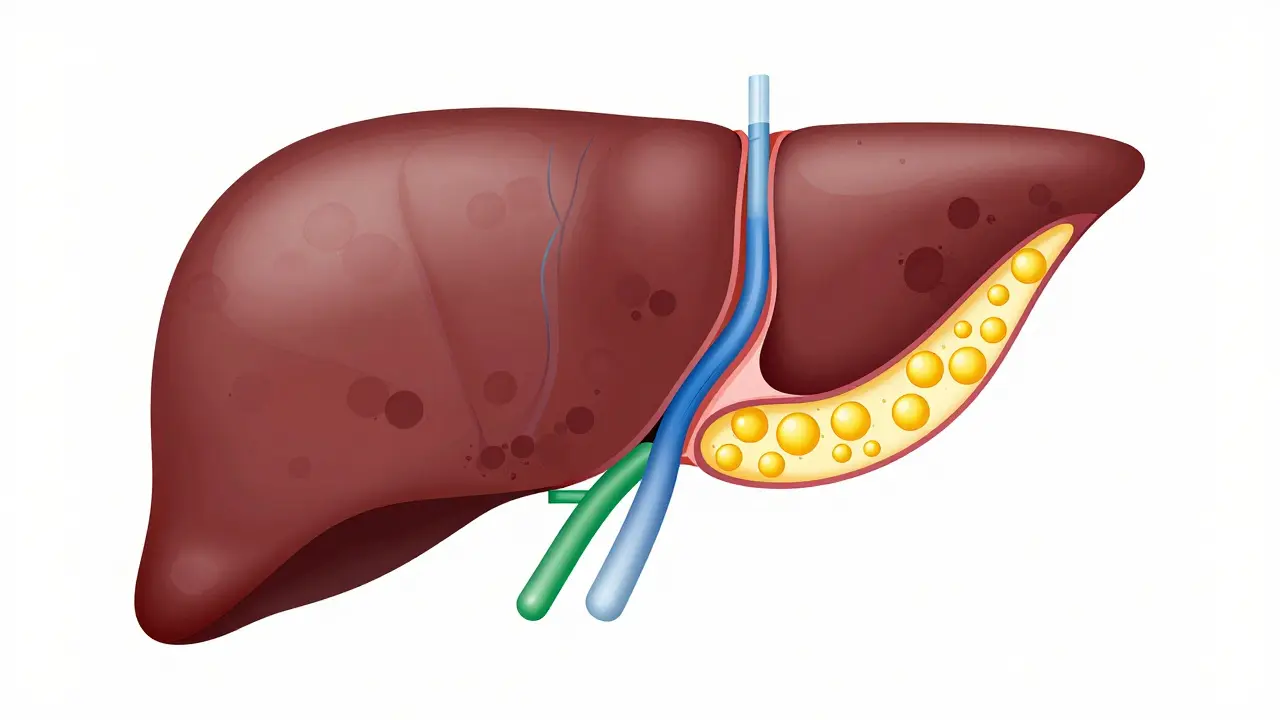
Your liver is hardworking. It filters toxins, processes nutrients, and stores energy without asking for a break. But what happens when it gets overloaded with fat? For millions of people, this isn’t just a hypothetical scenario-it’s a daily reality known as Nonalcoholic Fatty Liver Disease, or a condition characterized by excessive fat accumulation in the liver not caused by alcohol consumption. Recently, medical experts have rebranded this condition to better reflect its root cause: Metabolic Dysfunction-Associated Steatotic Liver Disease (MASLD). This shift in naming signals a crucial truth-this isn't just about "fatty liver." It’s a multisystem disorder tied closely to your metabolism, weight, and overall health.
If you’ve been told your liver enzymes are slightly elevated or that you have "steatosis," you might be wondering if this is serious. The short answer? It can be. Left unchecked, simple fat buildup can progress to inflammation, scarring (fibrosis), and even cirrhosis. The good news? In its early stages, it is highly reversible. You hold the keys to prevention and management through lifestyle changes that address the underlying metabolic drivers.
Understanding the Shift from NAFLD to MASLD
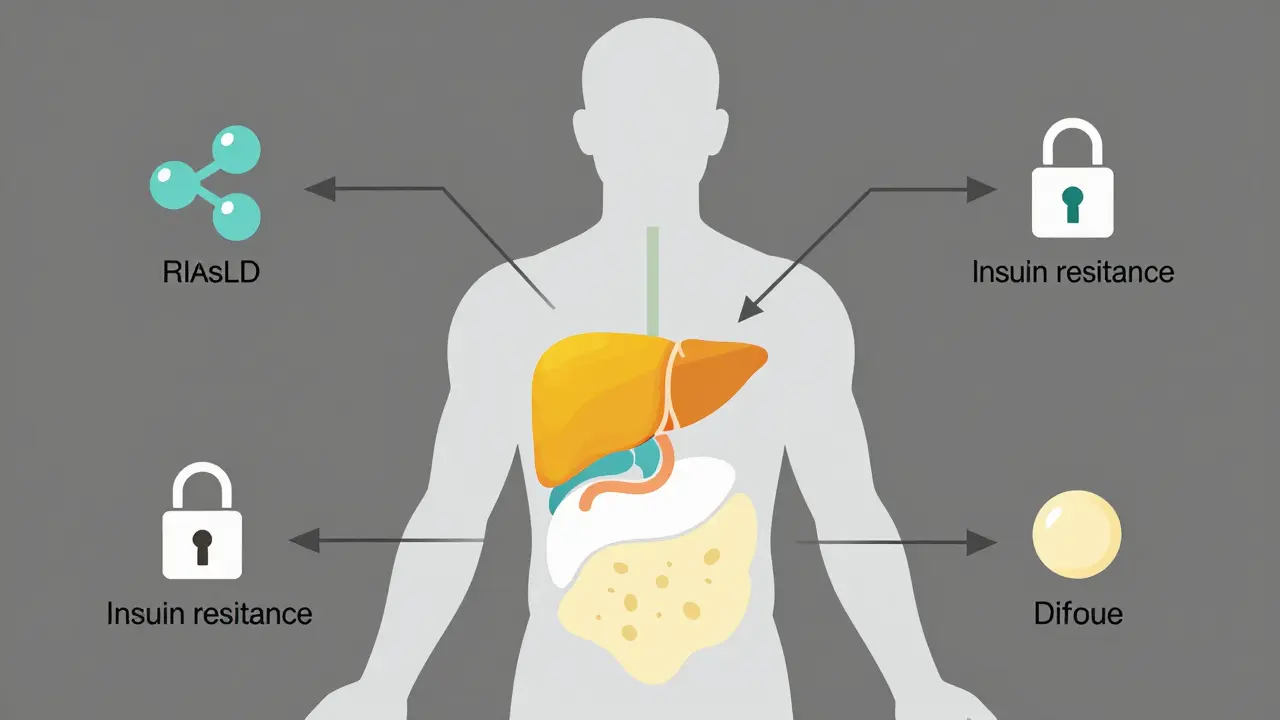
In June 2023, major medical organizations, including the American Association for the Study of Liver Diseases (AASLD), agreed to retire the term Nonalcoholic Fatty Liver Disease (NAFLD). Why the change? The old name focused on what patients *didn’t* do (drink alcohol) rather than what was actually driving the disease. The new term, MASLD, stands for Metabolic Dysfunction-Associated Steatotic Liver Disease. This terminology highlights that the primary culprit is metabolic dysfunction-issues like insulin resistance, obesity, and type 2 diabetes.
This isn’t just semantics. Recognizing the metabolic link helps doctors treat the whole patient, not just the liver. Under the new guidelines, a diagnosis of MASLD requires evidence of liver fat plus at least one of ten cardiometabolic risk factors, such as overweight status, high blood pressure, or abnormal cholesterol levels. This approach ensures that we’re targeting the root causes: how your body handles sugar, fat, and energy.
Who Is at Risk? Identifying Key Factors
MASLD is no longer rare. According to the World Gastroenterology Organisation, it affects approximately 25% of the global population. In the United States, estimates suggest up to 100 million people may have some form of fatty liver disease. So, who is most vulnerable? While anyone can develop it, certain groups face significantly higher risks.
- Obesity: Particularly central or abdominal obesity. A waist circumference greater than 40 inches for men or 35 inches for women is a major red flag.
- Type 2 Diabetes: About 70% of people with NASH (the inflammatory stage of the disease) also have type 2 diabetes.
- Insulin Resistance: Present in nearly 90% of cases, this means your cells don’t respond effectively to insulin, leading to higher blood sugar and increased fat storage in the liver.
- Dyslipidemia: High triglycerides (above 150 mg/dL) and low HDL cholesterol are common companions to fatty liver.
- Hypertension: High blood pressure often travels alongside other metabolic issues, compounding the strain on your organs.
Demographics also play a role. Data from the National Health and Nutrition Examination Survey (NHANES) shows higher prevalence rates among Hispanic populations compared to non-Hispanic whites or Blacks. Children are not immune either; with rising childhood obesity, pediatric MASLD rates are climbing, affecting up to 70% of obese children.
Silent Progression: Recognizing Symptoms and Diagnosis
One of the trickiest aspects of MASLD is that it often hides in plain sight. In the early stages, known as simple steatosis, you might feel perfectly fine. Only about 20% of patients report mild symptoms like fatigue or discomfort in the upper right abdomen. Because there are no obvious warning signs, many people go undiagnosed until significant damage has occurred.
When the disease progresses to MASH (Metabolic Dysfunction-Associated Steatohepatitis), inflammation begins to scar the liver tissue. Advanced stages can lead to cirrhosis, where healthy liver tissue is replaced by scar tissue, impairing function. Symptoms at this stage are more severe and may include jaundice (yellowing of the skin and eyes), ascites (fluid buildup in the abdomen), and confusion due to hepatic encephalopathy.
Diagnosis typically starts with blood tests checking liver enzymes like ALT and AST. Elevated levels (ALT >30 U/L in women, >40 U/L in men) can signal liver stress. However, blood tests alone aren’t enough. Doctors may use imaging techniques like ultrasound or FibroScan to measure liver stiffness and fat content. In complex cases, a liver biopsy remains the gold standard, though it’s invasive. Newer non-invasive blood tests, like the Enhanced Liver Fibrosis panel, are becoming more widely available, offering accurate detection of advanced fibrosis with minimal hassle.
The Power of Lifestyle: Proven Prevention Strategies
Here’s the empowering part: you can reverse early-stage MASLD. In fact, studies show that 90% of simple steatosis cases can be reversed with consistent lifestyle modifications. You don’t need a magic pill; you need sustainable habits that target metabolic health.
Weight Loss: The Most Effective Tool
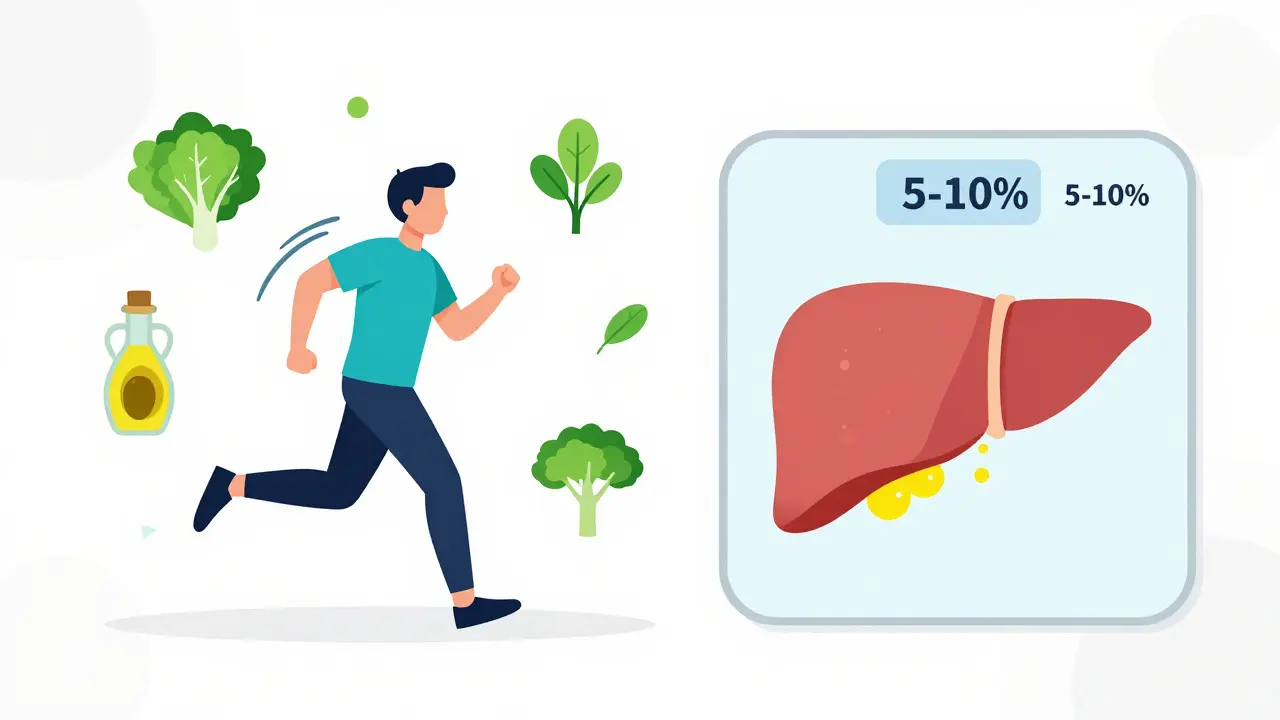
Losing weight is the single most impactful step you can take. Research published in Nature Reviews Gastroenterology & Hepatology indicates that losing just 5-7% of your body weight can reduce liver fat in 81% of patients. If you lose 10% of your body weight, you have a 45% chance of resolving inflammation (NASH/MASH) entirely. This doesn’t happen overnight, but gradual loss is key. Aim for a modest calorie deficit-about 500 calories per day-and pair it with regular movement.
Nutrition: What You Eat Matters
Your diet directly influences liver health. Focus on reducing added sugars, especially fructose found in sugary drinks and processed foods, which the liver converts directly into fat. Instead, adopt a Mediterranean-style diet rich in vegetables, fruits, whole grains, lean proteins, and healthy fats like olive oil and nuts. This dietary pattern has shown a 67% reduction in disease progression risk when combined with weight loss. Pay attention to the glycemic index; choosing foods with a GI below 55 helps stabilize blood sugar and reduces insulin spikes.
Physical Activity: Move More, Sit Less
Exercise improves insulin sensitivity independently of weight loss. The goal is consistency. Aim for at least 150 minutes of moderate-intensity aerobic activity per week, such as brisk walking, cycling, or swimming. Adding strength training twice a week can further boost metabolic health. Even small increases in daily steps-targeting 10,000 steps a day-can make a difference. Don’t let fatigue stop you; start slow and build up. Many patients find that as their liver health improves, their energy levels follow suit.
Medical Advances and Future Outlook
While lifestyle changes remain the cornerstone of treatment, medical science is catching up. For years, there were no FDA-approved drugs specifically for NASH/MASH. That changed in March 2024 with the approval of resmetirom, the first medication targeted at treating MASH with moderate to advanced fibrosis. Clinical trials showed it reduced fibrosis progression by 24% compared to placebo. This marks a turning point, offering hope for those whose lifestyle efforts haven’t been enough.
However, medication is not a substitute for healthy living. Drugs work best when combined with diet and exercise. Additionally, researchers are developing more non-invasive diagnostic tools and exploring therapies that target specific pathways in liver inflammation and fibrosis. By 2025, expect broader access to advanced blood tests that can monitor disease progression without biopsies.
The outlook is cautious but optimistic. With the obesity epidemic projected to affect half of U.S. adults by 2030, MASLD will likely become even more common. But because we now understand its metabolic roots, we have clear, actionable strategies to prevent and reverse it. Early detection, combined with committed lifestyle changes, can keep your liver healthy and functional for decades.
What is the difference between NAFLD and MASLD?
NAFLD (Nonalcoholic Fatty Liver Disease) is the older term, while MASLD (Metabolic Dysfunction-Associated Steatotic Liver Disease) is the new name adopted in 2023. The change reflects a better understanding that the disease is driven by metabolic issues like insulin resistance and obesity, not just the absence of alcohol use. MASLD requires evidence of liver fat plus at least one metabolic risk factor for diagnosis.
Can fatty liver be reversed completely?
Yes, in its early stages. Simple steatosis (fat buildup without inflammation) is reversible in 90% of cases with lifestyle changes like weight loss and diet modification. Even early inflammation (MASH/NASH) can improve significantly with a 5-10% weight loss. However, advanced scarring (cirrhosis) is generally irreversible, making early intervention critical.
How much weight do I need to lose to help my liver?
Losing 5-7% of your total body weight can reduce liver fat in most patients. Losing 10% or more offers the best chance of resolving inflammation and halting disease progression. For example, a 200-pound person would aim to lose 10-20 pounds. Gradual, sustained loss is more effective than rapid crash diets.
Are there any medications approved for fatty liver disease?
As of March 2024, resmetirom is the first FDA-approved drug for treating MASH with moderate to advanced fibrosis. It helps reduce liver fat and fibrosis progression. However, lifestyle changes remain the primary treatment, and medications are typically reserved for more severe cases or when lifestyle interventions are insufficient.
What foods should I avoid if I have MASLD?
Limit added sugars, especially fructose from sodas and processed snacks, as they contribute directly to liver fat. Avoid refined carbohydrates like white bread and pastries. Reduce saturated fats and trans fats. Instead, focus on a Mediterranean diet rich in vegetables, whole grains, fish, and healthy oils like olive oil.
Is alcohol safe if I have fatty liver?
Most guidelines recommend avoiding alcohol entirely if you have MASLD, as it adds additional stress to the liver. Even though the disease is "nonalcoholic," combining metabolic dysfunction with alcohol intake can accelerate liver damage. Consult your doctor for personalized advice, but abstinence is the safest approach.
How is MASLD diagnosed?
Diagnosis usually involves blood tests to check liver enzymes (ALT, AST), imaging tests like ultrasound or FibroScan to assess liver fat and stiffness, and evaluation of metabolic risk factors. In uncertain or advanced cases, a liver biopsy may be performed. Newer blood-based fibrosis panels are also becoming available for non-invasive screening.
Angela Niculescu
May 24, 2026 AT 02:52Everyone is so obsessed with this new acronym MASLD like it changes the biology of the liver. It does not. The fat is still there, the inflammation is still there, and the metabolic dysfunction is still the root cause whether you call it NAFLD or whatever trendy term the medical board decided on in June. I find it exhausting how we rename diseases every few years to sound more inclusive or precise when the treatment remains exactly the same: stop eating garbage and move your body. It’s just semantics designed to make patients feel less judged about their weight while ignoring that obesity is indeed a major driver here.
Nivetha Narayanan
May 24, 2026 AT 08:02hey guys!! i read this and honestly its kinda scary but also motivating? my uncle has diabetes and he always talks about his liver enzymes being high so i guess this is related. i try to eat healthy but sometimes i slip up with soda lol. does anyone else feel like they are constantly battling their own metabolism? lets support each other in making small changes instead of judging!
Frank Arlyss
May 24, 2026 AT 20:14I had my blood work done last week and my ALT was slightly elevated. The doctor didn’t even mention fatty liver, he just told me to cut back on alcohol even though I barely drink. It feels like they are just throwing terms around without actually looking at the whole picture. My family history is full of heart issues, not liver problems, so why am I being flagged for this? It’s annoying when doctors assume everyone who is overweight has a failing liver.
Victoria Mangiapane
May 25, 2026 AT 06:14This article is absolute nonsense if you think losing 5% of your body weight is easy for people with insulin resistance. It’s like telling someone to just breathe easier. The food industry is rigged against us with hidden sugars in everything from bread to salad dressing. You can’t just willpower your way out of a metabolic disease caused by environmental factors. It’s a disaster waiting to happen for millions of people who are already struggling with mental health and poverty.
Lisa Russo
May 27, 2026 AT 03:53The part about resmetirom being approved is interesting but let's be real, most people won't get access to it because it's expensive and insurance companies hate paying for new drugs. Lifestyle changes are great in theory but in practice, people are tired, stressed, and working multiple jobs. Expecting them to cook Mediterranean meals after a 12-hour shift is unrealistic. The system is broken and blaming the patient for not exercising enough is lazy medicine.
Gareth Tyler
May 27, 2026 AT 23:18i found the stats on children alarming. 70 percent of obese kids having this is terrifying. we need to fix school lunches first before telling parents to watch what they serve at home. processed foods are everywhere. walking more helps too. simple stuff works best.
Sharon O’Mahonh
May 28, 2026 AT 12:50it is truly fascinating how our bodies respond to metabolic shifts when we prioritize holistic wellness through mindful movement and nutrient-dense whole foods rather than restrictive dieting paradigms that often lead to psychological burnout and subsequent rebound weight gain which exacerbates hepatic steatosis further down the line
Jonhnnie john13
May 28, 2026 AT 22:46The diagnostic criteria shift is problematic because it relies heavily on BMI which is flawed for many ethnicities and body types. A person can have normal weight visceral obesity and still develop MASLD yet they fly under the radar because their waist circumference might not hit the arbitrary thresholds mentioned. We need better imaging protocols for everyone not just those who fit the classic profile.
Anthony Padilla
May 30, 2026 AT 03:50I tried the mediterranean diet for three months and lost 15 pounds. My liver enzymes went back to normal range. It wasn't easy giving up pizza but my energy levels are so much higher now. I think the key is consistency not perfection. If you miss a meal dont beat yourself up just get back on track. Small steps matter.
Elizabeth Fandry
June 1, 2026 AT 00:10One must consider the epistemological implications of renaming a disease to reflect its etiology rather than its absence of a specific toxin. It is a profound shift in medical ontology 🧠✨. However, does this nomenclature change truly alter the phenomenological experience of the patient suffering from fatigue and abdominal discomfort? Perhaps we are over-intellectualizing a biological reality that requires simple behavioral correction rather than semantic gymnastics 📚🍷.
Madeline Petes
June 1, 2026 AT 01:22Why is no one talking about the stress component? Cortisol plays a huge role in belly fat storage and liver health. I started doing yoga and meditation along with my diet changes and it made a bigger difference than just cutting sugar alone. Everyone needs to find what works for them mentally as well as physically. Dont give up on yourselves!
Michael Schurmann
June 1, 2026 AT 14:28The data presented here is rudimentary at best. Citing NHANES surveys for prevalence rates is standard but fails to account for regional disparities in healthcare access which skew diagnosis rates significantly. Furthermore, the claim that 90% of simple steatosis is reversible is optimistic to the point of negligence without specifying the duration and intensity of the lifestyle intervention required. Most patients fail within six months due to lack of sustained support systems.
Christina Mitchell
June 2, 2026 AT 20:40I appreciate the focus on prevention because once cirrhosis sets in the options are very limited. Cultural dietary habits play a big role in this too. In many communities fried foods and sugary drinks are staples of celebration and daily life. Changing that requires community-level education not just individual responsibility. We need to honor our traditions while adapting them for better health outcomes.
Christopher Laver
June 3, 2026 AT 16:15Boring read. Just lose weight.