How to Use Compounded Medications for Children Safely: A Parent's Guide
 May, 6 2026
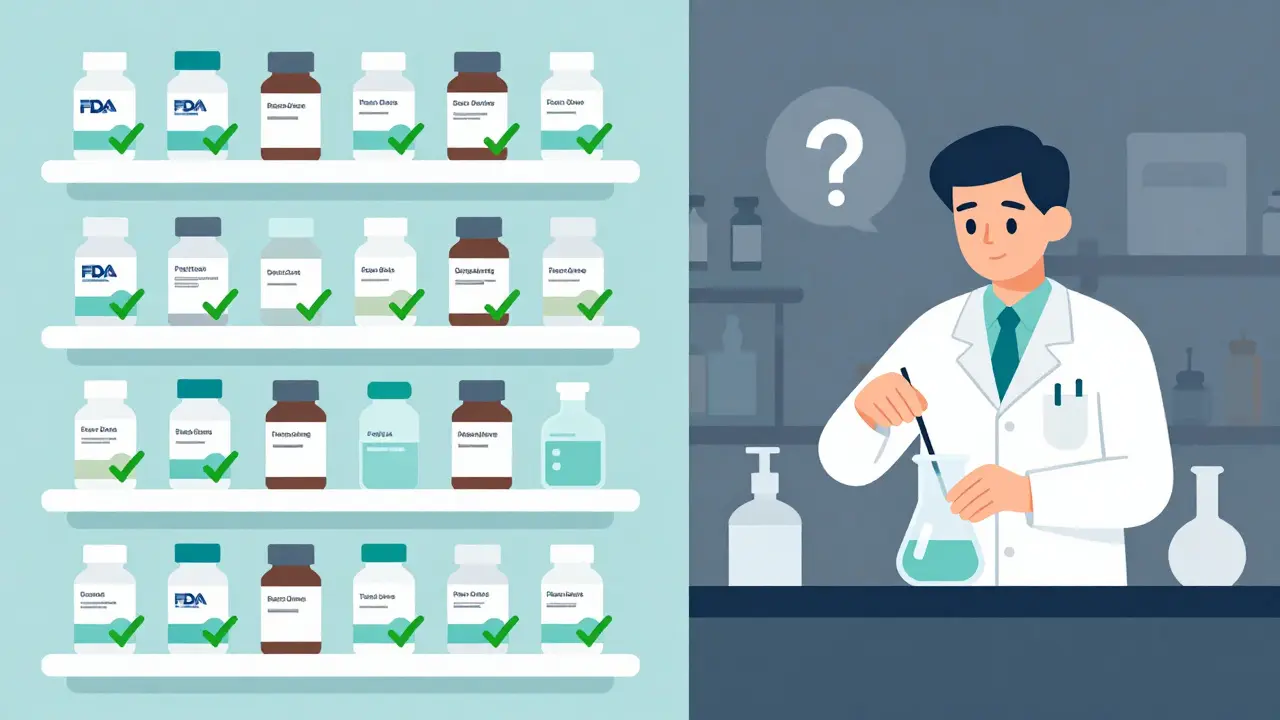
Your child needs a specific dose of medicine that isn't available in the standard bottles at the pharmacy. The doctor prescribes a compounded medication is a custom-formulated pharmaceutical product created by licensed pharmacists to meet specific patient needs that cannot be addressed by commercially available FDA-approved drugs. It sounds like the perfect solution. But here is the hard truth: compounded drugs are not FDA-approved. This means the government does not verify their safety, effectiveness, or quality before they reach your child’s hands.
For parents, this creates a scary gap between trust and reality. You want the best for your child, but you might not know how to spot a risky prescription or an unsafe pharmacy. The stakes are incredibly high. Data from the Institute for Safe Medication Practices (ISMP) shows that 14% to 31% of pediatric patients experience medication errors. For a small child, a tiny mistake in dosage can lead to hospitalization or worse.
When Is Compounding Actually Necessary?
First, let’s clear up a common misconception. Compounding should never be the first choice. The FDA explicitly warns that using compounded drugs when commercial alternatives exist exposes patients to serious health risks. Always ask your doctor: "Is there an FDA-approved version of this drug?" If the answer is yes, choose that one. Commercially prepared unit-dose syringes and premixed liquids are significantly safer because they undergo rigorous manufacturing controls.
However, there are legitimate reasons why a child might need a compounded medication. These situations usually involve physical limitations or severe sensitivities:
- Inability to swallow pills: Many children cannot take tablets or capsules. Compounding pharmacies can turn solid drugs into liquids, gels, or troches (lozenges).
- Allergies to additives: Standard medications often contain dyes, alcohol, sugar, or preservatives like benzyl alcohol. If your child has a sensitivity, a pharmacist can create a dye-free, alcohol-free, or sugar-free version.
- Taste masking: Some essential medicines taste bitter. Compounding allows pharmacists to add safe flavorings like bubblegum or cherry to improve tolerance.
- Fractional dosing: Neonates and infants often need doses so small that they represent a fraction of a standard adult tablet. Compounding allows for precise dilution to achieve these micro-doses.
If your child fits one of these categories, compounding might be necessary. But necessity doesn’t mean safety is guaranteed. You have to build that safety yourself.
The Hidden Dangers of Pediatric Compounding
Why are compounded meds riskier for kids than adults? It comes down to body mass and precision. A dosing error that might cause mild nausea in an adult could stop a toddler’s heart. The tragedy of Emily Jerry, a two-year-old who died in 2006 from a preventable compounding error during chemotherapy, highlighted this vulnerability. Her death led to the creation of the Emily Jerry Foundation, which advocates for better safety technologies.
Beyond individual errors, there are systemic risks. In 2012, a fungal meningitis outbreak linked to contaminated compounded spinal injections affected nearly 800 people and caused 64 deaths. While that involved adults, it showed what happens when sterile compounding standards fail. More recently, the FDA’s Adverse Event Reporting System documented over 900 adverse events related to compounded semaglutide and tirzepatide as of late 2024, including 17 deaths. While most of these were adults, pediatric patients are disproportionately affected by gastrointestinal complications and dosing miscalculations.
A major issue is concentration confusion. A Reddit user reported their 8-year-old ended up in the ER with hypothyroid symptoms after receiving compounded levothyroxine that was 40% less potent than prescribed. Miscommunication about units-milligrams versus milliliters-is a leading cause of these errors.

How to Vet a Compounding Pharmacy
Not all compounding pharmacies are equal. In fact, many operate in a regulatory gray area. To protect your child, you must do your due diligence before accepting any compounded medication. Here is your checklist:
- Check State Licensing: Every compounding pharmacy must be licensed by their state’s pharmacy board. Ask for their license number and verify it online.
- Look for Accreditation: Voluntary accreditation is a huge green flag. Look for certification from the Pharmacy Compounding Accreditation Board (PCAB) is an organization that accredits compounding pharmacies based on strict quality and safety standards. As of 2024, only about 1,400 of the 7,200+ compounding pharmacies in the US hold PCAB accreditation. If they aren’t accredited, ask why.
- Ask About Sterile Techniques: If the medication is injected or used in the eyes/ears, it must be sterile. Ask if they follow USP Chapter <797> is the United States Pharmacopeia standard that mandates specific training, testing, and environmental controls for sterile compounding. This standard requires personnel to pass regular competency tests.
- Verify DEA Registration: If the medication contains controlled substances (like certain painkillers or ADHD meds), the pharmacy must be registered with the Drug Enforcement Administration (DEA).
Don’t accept vague answers. If a pharmacy pushes back on providing proof of accreditation or licensing, walk away.
The Technology Gap: Why Gravimetric Analysis Matters
This is the most critical technical detail you need to understand. Traditional compounding relies on visual measurement-pouring liquids into graduated cylinders or weighing powders on scales. Human error is inevitable here. Dr. Robert Shmerling of Harvard Medical School noted that patients have mistakenly given themselves 20 times the appropriate dose due to these manual errors.
The solution is gravimetric compounding is a technology that uses high-precision digital balances to measure ingredients by weight rather than volume, ensuring extreme accuracy. Instead of guessing the volume, the pharmacist weighs every ingredient. Weight is far more accurate than volume, especially for viscous liquids or small amounts.
Here is the problem: adoption is low. Only 7.7% of US hospitals use gravimetric analysis for compounding, according to 2024 ISMP data. Why? It costs $25,000 to $50,000 per station and requires technicians to undergo 6-8 weeks of specialized training. However, hospitals that do implement it see a 75% reduction in pediatric dosing errors.
If your child needs a sterile compounded injection or a highly potent oral liquid, ask your pharmacist directly: "Do you use gravimetric analysis for this preparation?" If they say no, consider asking your doctor if another pharmacy can fill the prescription. This technology is already available; its absence is a choice, not a limitation.
Safety Protocols for Parents at Home
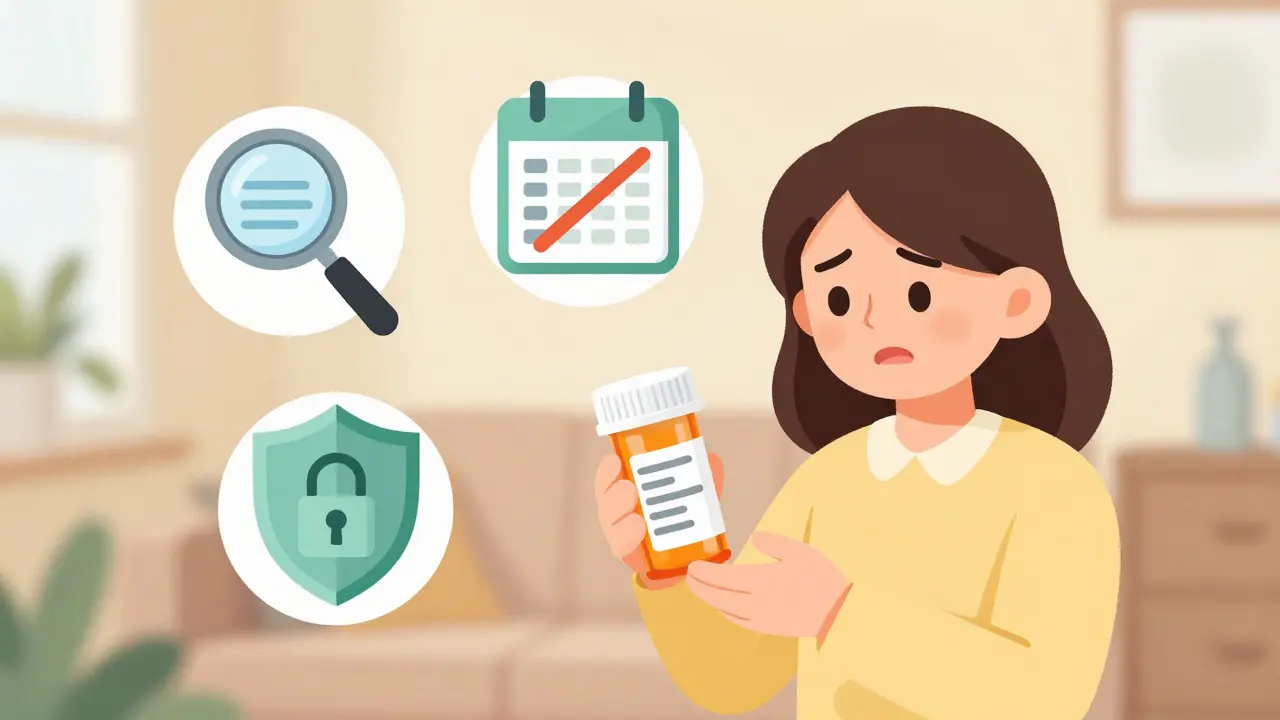
Even if the pharmacy does everything right, errors can happen during administration. You are the final line of defense. Follow these steps every time you give a compounded medication:
- Confirm the Concentration: Never assume the strength. Write down the exact concentration (e.g., 5 mg/mL). Verify this matches the prescription label and the doctor’s instructions. 68% of pediatric compounding errors stem from miscommunication about these units.
- Double-Check the Dose: Use the measuring device provided by the pharmacy. Do not use kitchen spoons. They are inaccurate. If possible, have another adult double-check the amount before administering.
- Watch for Changes: Compounded medications often lack preservatives, meaning they expire faster than commercial drugs. Check the expiration date printed on the bottle. If the liquid looks cloudy, smells odd, or changes color, discard it immediately.
- Monitor Your Child: After starting a new compounded med, watch closely for side effects. Common issues include vomiting, nausea, abdominal pain, or unusual lethargy. If your child reacts poorly, call the doctor and the pharmacy immediately.
Red Flags to Watch For
Be skeptical if you encounter any of the following scenarios:
- Mass Production Claims: Legitimate compounding is done patient-by-patient. If a pharmacy claims they produce large batches of compounded drugs for general sale, they are likely operating outside legal guidelines. Senator Todd Young noted in 2025 that some compounders exploit drug shortages to mass-produce non-FDA-approved versions.
- Lack of Patient-Specific Labeling: The label should clearly state the patient’s name, the exact strength, the beyond-use date, and storage instructions. Generic labels are a warning sign.
- Pressure to Pay Out-of-Pocket: Compounded medications are rarely covered by insurance. Be prepared for higher costs, but ensure you understand the price breakdown. If the cost seems exorbitant without justification, shop around-but don’t sacrifice safety for savings.
Are compounded medications safe for babies?
Compounded medications can be safe for babies, but they carry higher risks than FDA-approved options. Because infants have low body mass, even tiny dosing errors can be dangerous. Safety depends entirely on the pharmacy’s adherence to strict standards like USP Chapter <797> and the use of gravimetric analysis. Always verify the pharmacy’s accreditation and ask your pediatrician if a commercial alternative exists.
What is gravimetric compounding?
Gravimetric compounding is a method where pharmacists weigh ingredients using high-precision digital balances instead of measuring them by volume. This technique reduces human error significantly. Studies show it can cut pediatric dosing errors by 75%. It is considered the gold standard for safety in compounding, especially for potent or sterile medications.
How do I know if a compounding pharmacy is reputable?
Look for three things: state licensing, DEA registration (for controlled substances), and voluntary accreditation from the Pharmacy Compounding Accreditation Board (PCAB). PCAB-accredited pharmacies undergo rigorous inspections. You can also ask the pharmacist if they use gravimetric analysis and follow USP Chapter <797> for sterile preparations. Reputable pharmacies will welcome these questions.
Why are compounded medications more expensive?
Compounded medications are made individually for each patient, requiring specialized labor, raw materials, and equipment. Unlike mass-produced drugs, they don’t benefit from economies of scale. Additionally, many compounding pharmacies invest in costly safety technologies like gravimetric balances. Insurance rarely covers these costs, leaving parents to pay out-of-pocket.
Can I store compounded medications longer than the expiration date?
No. Compounded medications often lack preservatives, making them prone to bacterial growth and chemical degradation. The expiration date (beyond-use date) assigned by the pharmacist is critical. Using a medication past this date can expose your child to infection or ineffective treatment. Always discard expired compounded meds properly.