How to Handle Long-Term Medication: Practical Coping Strategies for Better Adherence
 Apr, 8 2026
Taking a pill every day for a few weeks is one thing. Taking several medications every single day for years is a completely different battle. When you're dealing with a long-term health condition, the sheer routine of medication adherence can start to feel like a second job-one that you never applied for and can't quit. It's not just about remembering the dose; it's the emotional drain, the frustration with side effects, and the mental fatigue of being a "patient" every hour of the day.
The good news is that you don't have to rely on willpower alone. Research shows that how you mentally approach your treatment-your "coping strategy"-drastically changes how well you stick to your plan and, ultimately, how you feel physically. Whether you're managing rheumatoid arthritis, a neurological condition, or heart disease, shifting your mindset and your system can turn a daily chore into a manageable habit.
| Coping Strategy | How it Works | Effectiveness Rate |
|---|---|---|
| Problem-Solving / Active | Taking direct action to fix barriers (e.g., using pill organizers). | High (78% positive association) |
| Emotion-Focused | Managing the stress and feelings associated with the illness. | Moderate to High (69% positive association) |
| Support Seeking | Leaning on family, friends, or support groups for help. | Generally Positive |
| Problem Avoidance | Ignoring the problem or denying the need for medication. | Low (50% negative association) |
The Power of Active Coping: Fixing the Friction
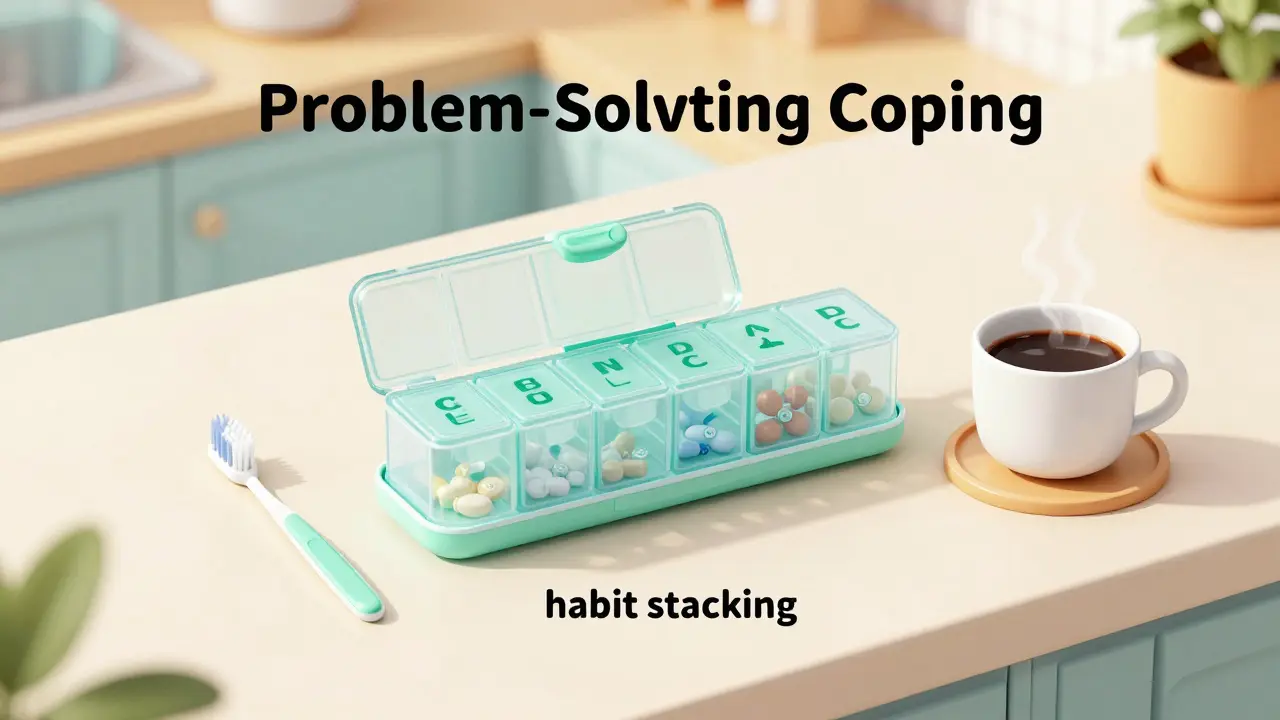
The most successful way to handle long-term meds is what experts call Problem-Solving Coping is a behavioral approach where the patient identifies specific obstacles to adherence and creates concrete solutions to overcome them . Instead of saying "I keep forgetting my pills," an active coper asks, "Why am I forgetting them?"
Maybe the bottle is hard to open, or the timing clashes with your morning commute. By treating the forgetfulness as a technical problem rather than a personal failure, you can implement a system. For example, if cost is the barrier, looking into generic substitutions or programs like RxAssist.org is an active coping move. If the regimen is too complex, talking to your doctor about once-a-day combination pills can remove the friction. This approach is the gold standard because it removes the mental effort required to "be disciplined."
Managing the Emotional Weight
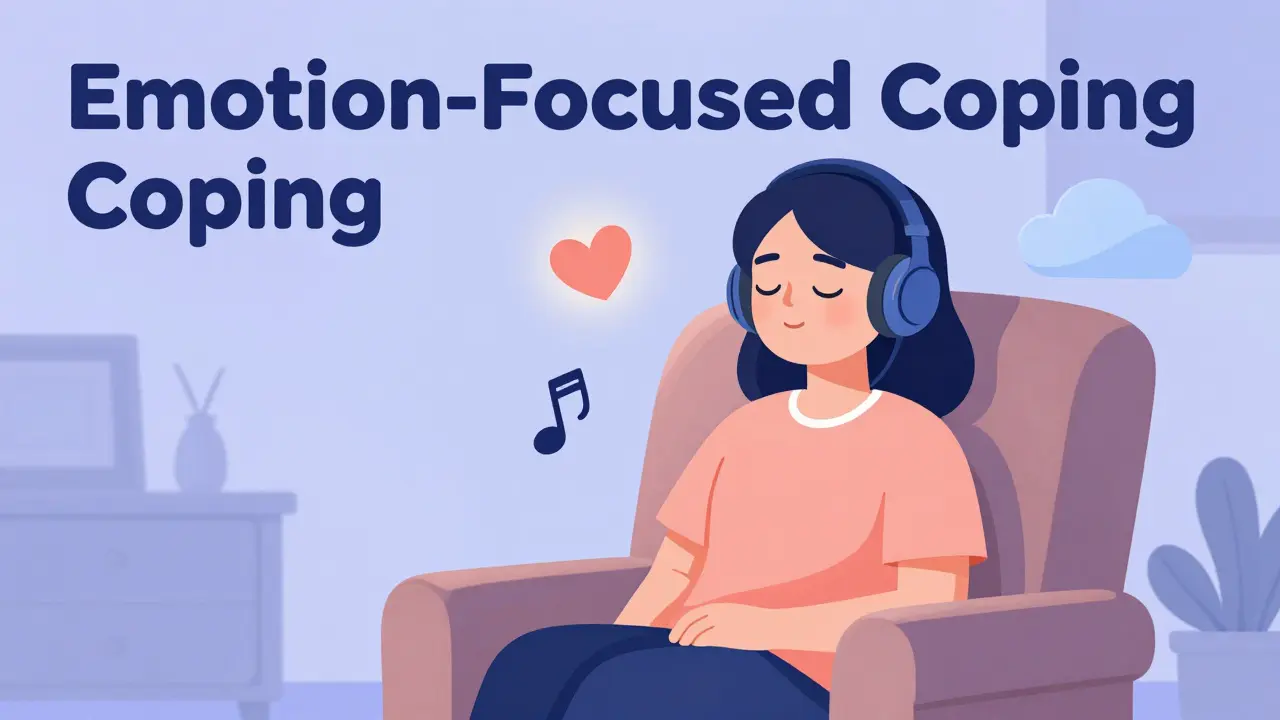
Let's be honest: it's depressing to be reminded of a chronic illness every time you look at a prescription bottle. This is where Emotion-Focused Coping is the process of regulating the emotional distress caused by the stress of a chronic condition comes into play. While active coping fixes the "how," emotion-focused coping handles the "feel."
This might look like practicing mindfulness, journaling, or even using diversion-like listening to a favorite podcast specifically while taking your meds-to associate the act with something pleasant. It's about acknowledging that it's okay to feel frustrated or sad about your condition. When you manage the anger or grief associated with a diagnosis, the act of taking medication stops feeling like a reminder of what you've lost and starts feeling like a tool for what you can still do.
Building Your Support System
No one should manage a chronic condition in a vacuum. Support-seeking coping involves both emotional and practical help. This isn't just about having someone to vent to; it's about building a network that holds you up when your own resolve dips.
Practical support might mean having a spouse help set up a weekly pill organizer or a friend who checks in via text. Emotional support often comes from peer groups-people who truly understand the specific fatigue of a long-term regimen. When you see others navigating the same hurdles, the psychological burden lightens. You realize your struggles aren't a sign of weakness, but a common part of the journey.
The Danger of Avoidance
It's tempting to just stop thinking about the medication for a while. Problem Avoidance Coping is a maladaptive strategy where an individual ignores the stressor or denies the necessity of the treatment . This often manifests as "forgetting" doses because the medication reminds you that you're sick, or skipping doses because you "feel fine" today.
The risk here is a dangerous cycle. When you avoid the meds, your symptoms may worsen, which increases your stress, which makes you want to avoid the medication even more. While a little bit of "mental break" is necessary, total avoidance leads to poor clinical outcomes and higher healthcare costs. The goal is to move from avoidance to active management.
Leveraging Team-Based Care
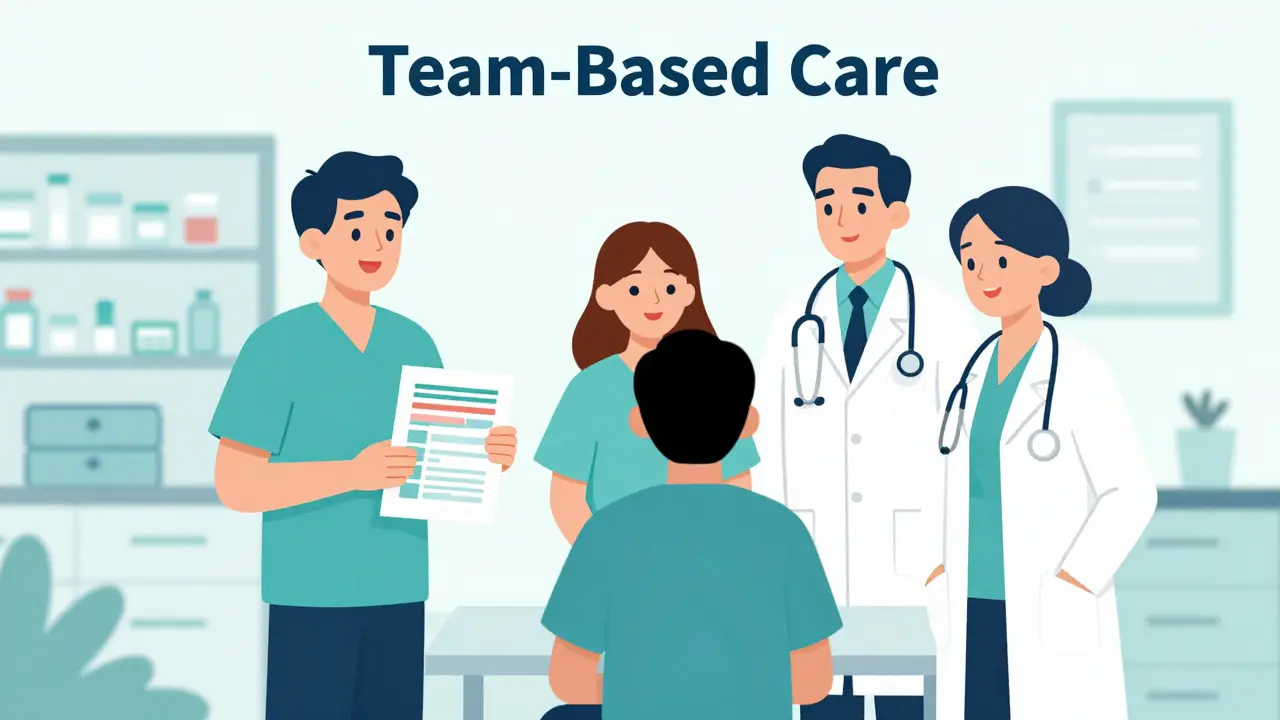
You don't have to be the sole manager of your health. A Team-Based Care model is a collaborative healthcare approach involving pharmacists, primary care providers, and specialists working together to optimize patient outcomes . This shifts the burden of management from the individual to a professional system.
In a team-based setup, a pharmacist might perform a medication reconciliation to ensure different drugs aren't clashing. They can provide education that empowers you to ask better questions and feel more in control. Research indicates that patients in these collaborative environments see adherence rates jump significantly-sometimes up to 89% compared to those navigating the system alone. If you feel overwhelmed, ask your doctor if they can coordinate more closely with your pharmacy.
Practical Tips for Daily Success
To move from theory to action, try these concrete habits that embody active coping:
- Anchor your meds: Attach the act of taking your medication to an existing habit, like brushing your teeth or brewing coffee. This is called "habit stacking."
- Use Technology: Set smart alarms or use medication tracking apps. Don't rely on your brain to remember when you're already dealing with "brain fog" from a condition.
- Simplify the Regimen: Ask your doctor, "Is there a version of this that I only have to take once a day?" Reducing the number of times you interact with your meds reduces the number of opportunities to fail.
- Prepare for the 'Dip': Everyone has a bad week. Have a plan for when you're too tired or stressed to be perfect. Knowing that a missed dose is a problem to be solved, not a reason to give up, is key.
Why do I struggle so much with taking my meds even though I know they help?
It's rarely about laziness. Long-term medication use creates "treatment fatigue." The constant reminder of illness, the side effects, and the disruption of your daily routine create a psychological burden. This is why focusing on coping strategies-like active problem-solving-is more effective than simply trying to be more disciplined.
What is the most effective coping strategy for adherence?
Active or problem-solving coping is generally the most successful. This involves identifying the exact reason you're missing doses (e.g., cost, timing, or difficulty opening bottles) and implementing a physical or systemic solution to fix that specific barrier.
Can my emotions actually affect how well my medication works?
Indirectly, yes. High levels of stress, depression, or denial (avoidance coping) often lead to missed doses. By using emotion-focused coping to manage the stress of a chronic condition, you're more likely to remain adherent, which allows the medication to work as intended and improve your clinical outcomes.
How can a pharmacist help with my coping strategy?
Pharmacists are central to team-based care. They can help you simplify your dosing schedule, suggest tools like pill organizers, identify lower-cost generic alternatives, and explain how to manage side effects, which reduces the emotional friction of taking your meds.
Is it normal to feel a sense of loss when starting a long-term regimen?
Absolutely. Starting a lifelong medication often marks a transition in how you perceive your health. Acknowledging this loss is part of emotion-focused coping. Speaking with a counselor or a peer support group can help you process these feelings so they don't turn into avoidance behaviors.
Del Bourne
April 10, 2026 AT 19:42From a clinical perspective, the mention of medication reconciliation is incredibly important. Many patients don't realize that their primary doctor and their specialist might not be on the same page regarding dosages or contraindications.
A comprehensive review with a pharmacist can often uncover interactions that were previously overlooked, which not only improves safety but also reduces the number of pills a patient needs to take. For those struggling with the emotional burden, I highly recommend keeping a detailed log of side effects to share with your provider. This transforms a vague feeling of malaise into actionable data that a doctor can use to adjust your medication. When the side effects are managed, the mental friction of adherence drops significantly. It turns the process from a struggle against your own body into a collaborative effort to optimize your quality of life. Additionally, utilizing automated dispensing systems can be a great bridge for those who find manual pill organizers tedious. The goal is always to reduce the cognitive load of being a patient.
Michael Flückiger
April 12, 2026 AT 01:03This is so inspiring!!! Just keep pushing through, everyone!!!! You got this!!!!
GOPESH KUMAR
April 13, 2026 AT 21:28The binary between "active" and "avoidant" is a bit simplistic. Most people exist in a state of spiritual negotiation with their health. We aren't just solving technical problems; we're wrestling with the mortality of the flesh. The table tries to quantify human suffering with percentages, which is inherently flawed.
Grace Lottering
April 15, 2026 AT 19:56Big Pharma just wants us dependent on these cycles. They don't want you to actually get better, only to keep paying for the refills.
Danielle Kelley
April 16, 2026 AT 21:43Exactly! These "coping strategies" are just ways to make you more compliant with poisons that are designed to keep you sick and docile. Wake up people!
Nathan Kreider
April 18, 2026 AT 11:00I totally get how hard this is. It's okay to have bad days and miss a dose sometimes. Just try your best tomorrow.
Srikanth Makineni
April 19, 2026 AT 13:09pill boxes work best
Brady Davis
April 20, 2026 AT 00:33Oh sure, because listening to a podcast while swallowing a chemical cocktail is exactly what my childhood dreams looked like. Truly a glamorous life we're living here.
Dhriti Chhabra
April 20, 2026 AT 11:31I believe that fostering a supportive community is the most dignified approach to chronic illness management. It is heartening to see a focus on the emotional well-being of the patient alongside the medical requirements.