FDA Deficiency Letters in Generic Drug Applications: Common Findings and How to Avoid Them
 May, 8 2026
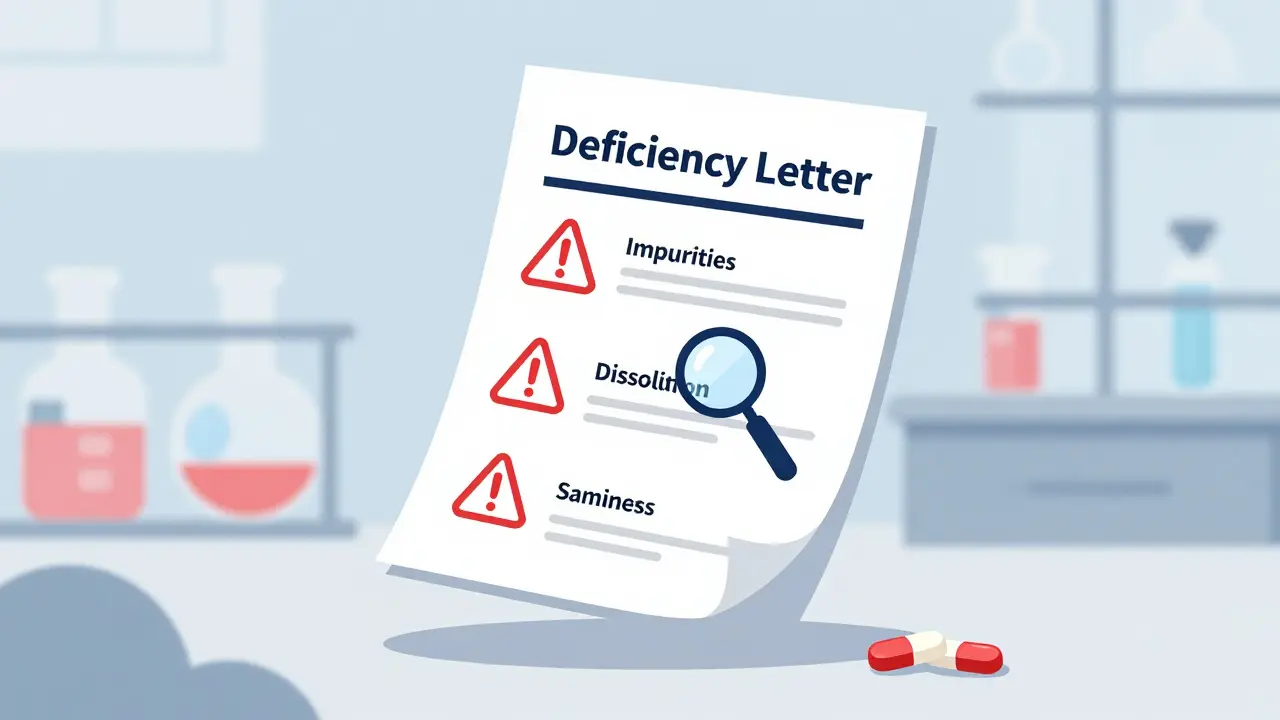
Getting a generic drug approved by the FDA is a rigorous regulatory process that ensures drug safety, efficacy, and quality standards are met before market release isn't just about submitting paperwork. It's about proving your product is identical to the brand-name version in every way that matters. When the agency finds gaps in your application, they don't reject it outright-they send a deficiency letter. These formal communications identify specific issues that must be resolved before approval can proceed. For many applicants, especially those new to the space, these letters feel like roadblocks. In reality, they're often preventable.
Understanding what triggers these letters-and how to avoid them-can save you months of delay and millions in costs. The data from recent fiscal years shows clear patterns. Over 70% of major deficiencies in Abbreviated New Drug Applications (ANDAs) relate to quality issues in manufacturing, drug product, or drug substance categories. This article breaks down the most common findings, why they happen, and practical steps to keep your submission on track.
What Is an FDA Deficiency Letter?
A deficiency letter is not a rejection. It’s a targeted request for more information or corrections. According to the FDA’s Center for Drug Evaluation and Research (CDER), these letters detail “specific deficiencies that must be resolved before the application can be approved.” They represent a critical checkpoint in the review process where reviewers flag inconsistencies, missing data, or non-compliant methods.
The modern system for labeling these communications evolved in early 2003 when the Division of Bioequivalence began formally distinguishing deficiency letters from other correspondence types. Today, they serve as both a warning and a roadmap. If you address the issues thoroughly, your application moves forward. If you don’t, it stalls-or worse, gets withdrawn after repeated cycles.
Top Deficiencies in Drug Product Submissions
Drug product deficiencies dominate the landscape. Based on FDA analysis from fiscal years 2018-2023, here’s where most applications stumble:
- Unqualified Impurities (20%): Missing toxicological studies for degradation products or unknown impurities.
- Tox-E/L Issues (20%): Toxicology-exposure limits not properly addressed per ICH guidelines.
- DS Sameness (19%): Failure to demonstrate sameness between drug substance batches used in clinical trials and commercial production.
- Critical Quality Attribute Problems (14%): Inadequate control strategies for key parameters affecting performance.
- Miscellaneous Issues (20%): Including inadequate analytical methods, poor characterization data, or insufficient starting material selection.
One standout issue? Elemental impurities. Thirteen percent of submissions failed due to weak control strategies for elements like lead, arsenic, or mercury. Many applicants rely on generic templates rather than tailoring their approach to the specific chemistry and manufacturing process of their product.
Bioequivalence Shortcomings: Dissolution and Beyond
Bioequivalence is the heart of generic drug approval. You need to prove your product behaves the same way in the body as the reference listed drug (RLD). Yet dissolution-related deficiencies remain the top bioequivalence problem, affecting 23.3% of applications according to FY2023 data.
Why does this happen? Often, companies use outdated compendial apparatus settings that don’t reflect real-world physiological conditions. For example, using Apparatus 1 instead of Apparatus 2 for immediate-release tablets can skew results. Or failing to test across multiple pH levels (1.2, 4.5, 6.8) means you haven’t validated discrimination properly.
Another frequent misstep? Misinterpreting the Bioequivalence Review Manual. Thirty percent of bioequivalence deficiencies stem from applicants misunderstanding guidance on study design for complex products like modified-release formulations. Dr. Jane Henry, a regulatory consultant with 25 years of experience, notes that “the disconnect between academic development practices and commercial manufacturing expectations accounts for nearly half of all DS sameness deficiencies.”
Drug Substance Deficiencies: DMF Gaps and Characterization Failures
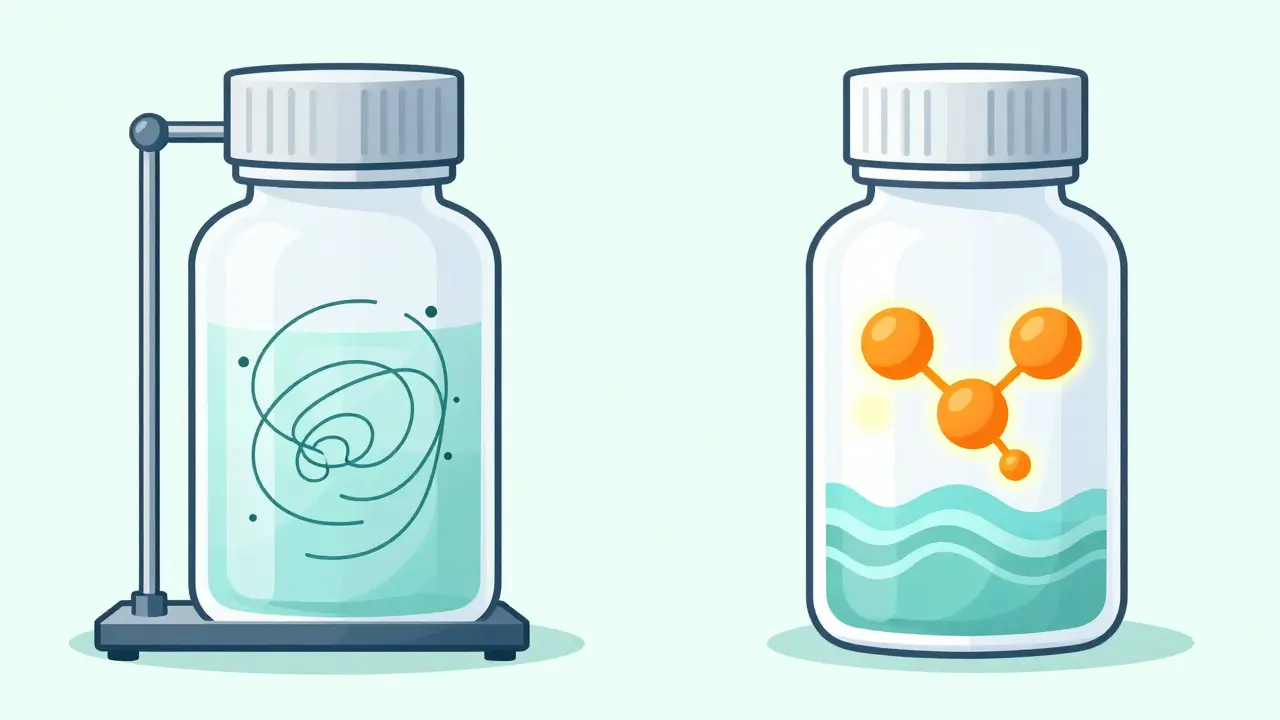
If your drug substance comes from another manufacturer via a Drug Master File (DMF), you’re still responsible for ensuring compliance. Eighty-two percent of drug substance-related major deficiencies originate from issues identified within referenced DMFs. That means even if you didn’t make the API yourself, you’re accountable for its quality documentation.
Other common pitfalls include:
- Missing (Q)SAR Data (8%): Required for M7 mutagenicity assessment of degradation products.
- Inadequate Analytical Methods (Part of Miscellaneous 10%): Not sufficiently validated or lacking specificity.
- Poor Physical/Chemical Characterization (Also in Miscellaneous): Especially problematic for peptide-containing products requiring secondary structure and aggregation profile comparisons.
For peptides specifically, resolving DS sameness typically requires circular dichroism, Fourier-transform infrared spectroscopy, and size-exclusion chromatography. Skipping any one of these tools leaves your argument incomplete.
Who Gets Hit Hardest? Company Size and Product Complexity Matter
Not all applicants face equal odds. Firms with fewer than 10 approved ANDAs experience deficiency rates 22% higher than established manufacturers with 50+ approved products. Why? Less institutional knowledge, weaker pre-submission testing protocols, and unfamiliarity with FDA reviewer expectations.
Product complexity also plays a huge role. Complex generics-peptides, modified-release tablets, topical dermatologicals-see deficiency rates 40-65% higher than standard immediate-release small molecules. Modified-release tablets are particularly vulnerable because they require precise manufacturing controls and robust dissolution profiles under varied conditions.
Here’s a quick comparison table showing how different factors influence deficiency likelihood:
| Factor | Impact on Deficiency Rate | Example Scenario |
|---|---|---|
| Company Experience (<10 vs >50 ANDAs) | +22% higher for inexperienced firms | New entrant submits without prior feedback loops |
| Product Type (Complex vs Standard) | +40-65% higher for complex generics | Modified-release tablet vs immediate-release capsule |
| Pre-ANDA Meeting Attendance | -32% lower deficiency rate | Company holds meeting; receives tailored guidance |
| Documentation Depth | -27% fewer deficiencies with detailed reports | Minimal explanatory docs vs comprehensive development history |
How Long Do Deficiencies Delay Approval?
Time is money in pharma. Each additional review cycle costs applicants approximately $1.2 million in development and regulatory expenses, based on a 2023 Drug Intelligence & Clinical Pharmacology study. Unqualified impurity deficiencies alone add 14-18 months to timelines due to required toxicology studies.
Applications avoiding the top deficiency categories achieve first-cycle approval rates roughly 35% higher than those needing resolution. So prevention pays off-not just financially, but strategically. Faster launch means earlier revenue generation and stronger competitive positioning.
Practical Steps to Avoid Common Deficiencies
You don’t have to guess what reviewers want. Here’s what works:
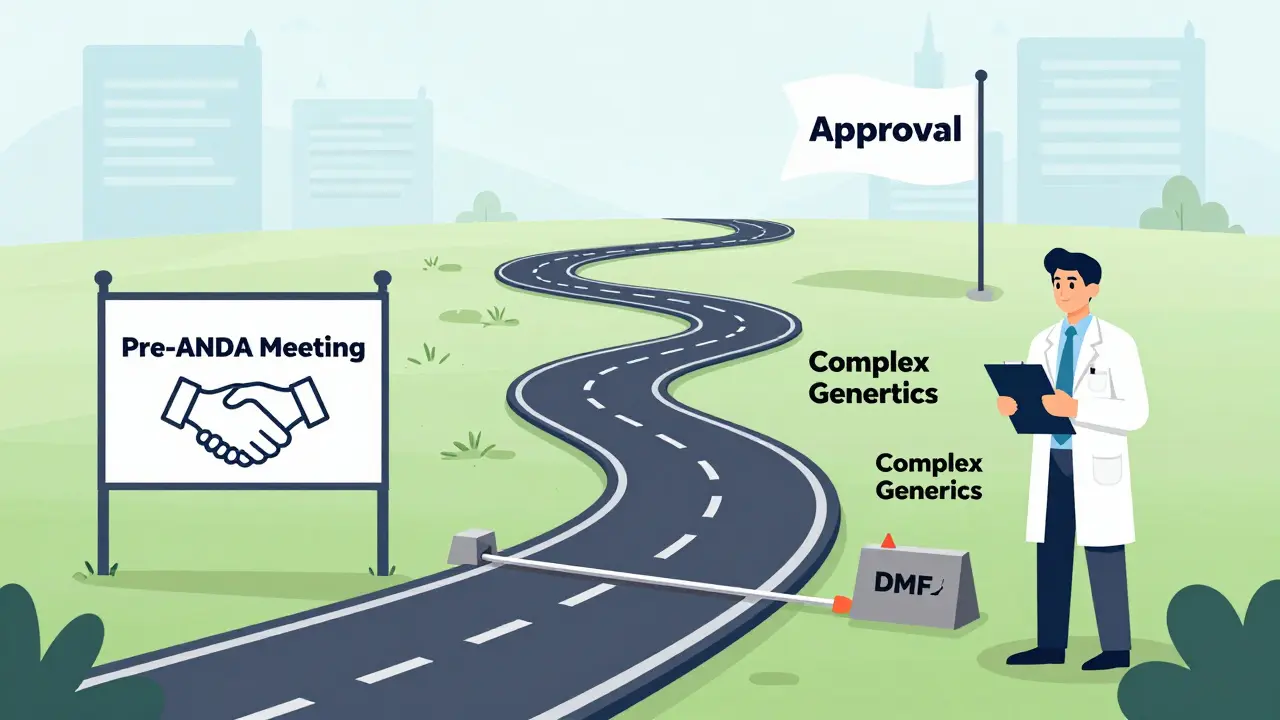
- Hold Pre-ANDA Meetings: Companies that do see 32% fewer deficiencies. Use these sessions to clarify ambiguous requirements, especially for novel delivery systems or complex APIs.
- Invest in QbD Principles: Quality by Design helps build robust processes upfront. Instead of reacting to failures, anticipate variability during development.
- Validate Dissolution Methods Rigorously: Test across multiple pH conditions. Choose the right apparatus type. Document everything clearly.
- Characterize Impurities Early: Run (Q)SAR assessments for mutagenicity potential. Align tox-E/L limits with current ICH guidelines. Don’t wait until submission day.
- Ensure DMF Compliance: Even if you didn’t manufacture the API, verify that the supplier’s file meets current standards. Request updated versions regularly.
- Write Detailed Development Reports: Applications with thorough explanations show 27% fewer deficiencies. Tell the story behind your choices-why you picked certain excipients, how you scaled up, what risks you mitigated.
Dr. David Rope, former Director of CDER’s Office of Generic Drugs, put it plainly: “Approximately 65% of major deficiencies could be avoided through better understanding of FDA expectations and more rigorous pre-submission testing.”
FDA Initiatives Helping Reduce Deficiencies
The agency isn’t standing still. Several programs aim to streamline approvals and reduce preventable errors:
- First Cycle Generic Drug Approval Initiative (Launched 2023): Targets top deficiency areas with enhanced pre-submission tools. Early results show a 15% drop in dissolution-related issues among participants.
- Competitive Generic Therapy (CGT) Program: Provides focused guidance for high-priority products. CGT-designated apps enjoy 73% first-cycle approval vs. 52% industry average.
- Specialized Review Teams (2024 Reorganization): Created dedicated groups for complex products. Resulted in 22% decrease in inconsistent deficiency determinations for modified-release items.
- AI-Assisted Pre-Submission Screening (Planned Q3 2026): Preliminary tests suggest automated error detection could cut preventable deficiencies by 35%. Imagine catching typos in methodology descriptions before human eyes ever see them.
Industry analysts predict these efforts, combined with broader adoption of QbD, could push first-cycle approval rates from 52% to 68% by 2027. That translates to 15-20 extra generic drugs hitting shelves each year sooner.
Final Thoughts: Prevention Over Reaction
Deficiency letters aren’t punishments-they’re opportunities to refine your approach. But waiting for one to arrive is expensive. Every month delayed adds cost, erodes competitiveness, and frustrates patients waiting for affordable options.
Focus on preparation. Understand the rules. Build strong documentation. Engage early with regulators. And remember: the goal isn’t perfection-it’s consistency. Show that your process reliably produces a safe, effective, equivalent product. Do that well enough, and the deficiency letter becomes something you never get.
What causes most FDA deficiency letters in generic drug applications?
Over 70% of major deficiencies relate to quality issues in manufacturing, drug product, or drug substance categories. Top culprits include unqualified impurities, inadequate dissolution method validation, and failure to demonstrate drug substance sameness.
How long do deficiency letters delay generic drug approval?
Each additional review cycle costs about $1.2 million. Unqualified impurity deficiencies alone add 14-18 months due to required toxicology studies. Applications avoiding top deficiency categories achieve first-cycle approval rates ~35% higher.
Can smaller companies avoid FDA deficiency letters?
Yes-but they need extra care. Firms with <10 approved ANDAs face 22% higher deficiency rates. Holding pre-ANDA meetings, investing in QbD principles, and writing detailed development reports significantly improve outcomes.
Why are complex generics more likely to receive deficiency letters?
Peptides, modified-release tablets, and topical dermatologicals require stricter controls and more sophisticated testing. Their deficiency rates are 40-65% higher than standard immediate-release products due to complex manufacturing and bioequivalence challenges.
Does attending pre-ANDA meetings help reduce deficiencies?
Absolutely. Companies holding pre-ANDA meetings see 32% fewer deficiencies. These sessions allow clarification of ambiguous requirements, especially for novel formulations or complex APIs, reducing guesswork later.
What should I do if my ANDA receives a deficiency letter?
Address every point systematically. Gather missing data, validate methods rigorously, update documentation, and submit responses aligned with FDA templates. Treat it as a chance to strengthen your case-not just fix errors.
Are there FDA programs helping reduce deficiency rates?
Yes. The First Cycle Generic Drug Approval Initiative, Competitive Generic Therapy program, specialized review teams, and upcoming AI-assisted screening all target common deficiencies. Together, they may raise first-cycle approval rates from 52% to 68% by 2027.