Digital Tools for Checking Generic Drug Interactions: A Guide to Safer Online Prescriptions
 May, 15 2026
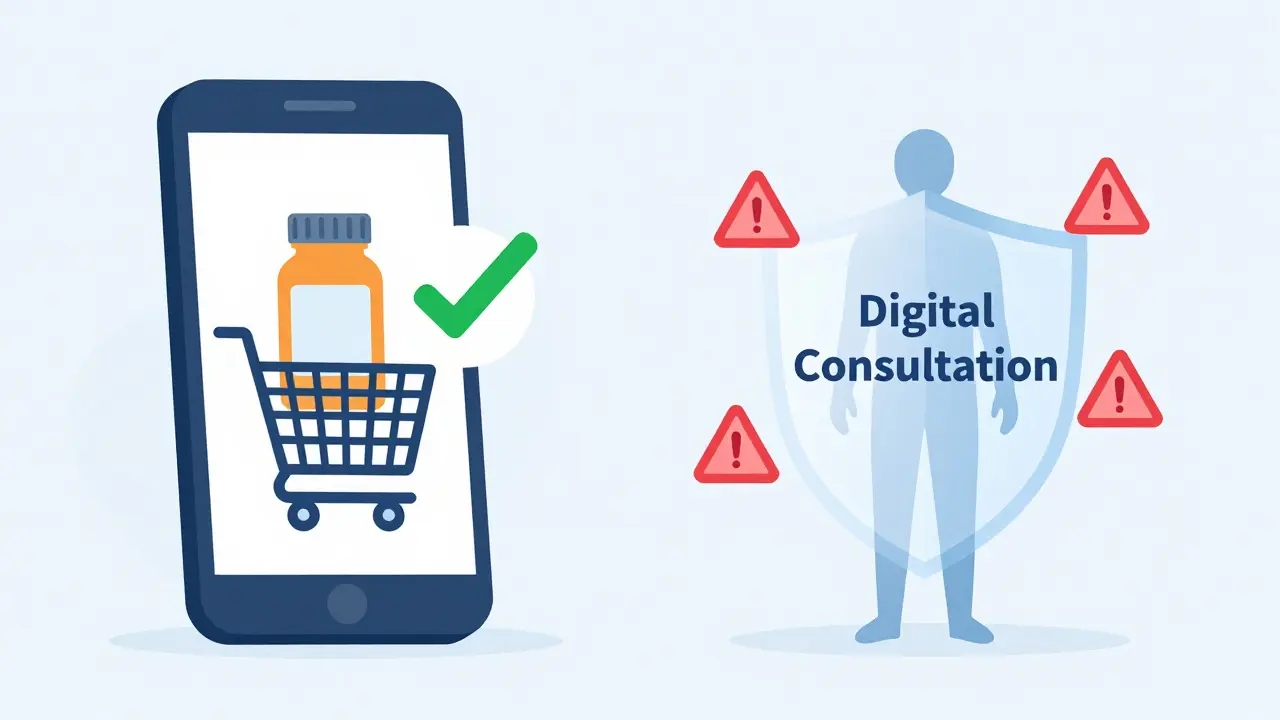
Buying medication from an online pharmacy is convenient, but it comes with a hidden risk. When you order generic drugs without a face-to-face consultation, you might miss critical warnings about how those medicines interact with what you are already taking. This is where digital consultation tools become your best defense. These specialized software solutions act as virtual pharmacists, scanning your prescription list to flag dangerous combinations before they reach your bloodstream.
The stakes are high. Clinically significant drug-drug interactions (DDIs) trigger numerous adverse effects in patients every year. As the average patient over 65 now takes 4.8 prescription medications simultaneously, the complexity of these regimens creates substantial interaction risks. Digital tools help bridge the gap between convenience and safety, ensuring that the generic version of a drug behaves exactly as expected alongside your other treatments.
Why Digital Tools Are Essential for Generic Medications
You might wonder if generics need special checking. The active ingredient in a generic drug is identical to the brand-name version, but the inactive ingredients-fillers, binders, and dyes-can differ. While rare, these variations can sometimes affect absorption rates or trigger allergic reactions that interact poorly with other meds. More importantly, digital consultation tools provide a standardized database check that human memory often fails to perform under pressure.
These tools emerged as critical clinical decision support systems following increased recognition of DDIs as significant threats to patient safety. They don't just list drugs; they analyze pharmacological conflicts. For instance, if you are taking warfarin for blood thinning and add a new generic antibiotic, a digital tool will instantly calculate the heightened risk of bleeding. This immediate feedback loop is crucial when you are managing multiple prescriptions from different online sources.
The market for these solutions has grown rapidly. The clinical decision support software market is valued at $2.8 billion and growing at 11.3% annually. Drug interaction checking represents approximately 22% of this segment. This growth is driven by regulatory pressures, such as The Joint Commission's mandate for evidence-based clinical decision support, and the sheer volume of new interactions identified each year-over 1,500 according to the University of Arizona Center for Toxicology.
Top Digital Consultation Tools Compared
Not all interaction checkers are created equal. Some are designed for hospital administrators, while others fit perfectly on your smartphone for quick checks during an online shopping session. Here is how the leading platforms stack up against each other based on capacity, cost, and features.
| Tool Name | Max Drugs Checked | Cost Model | Key Feature | Best For |
|---|---|---|---|---|
| Epocrates | 30+ | Free (Premium available) | Mobile-friendly, fast search | Individual patients & outpatient providers |
| Micromedex | Unlimited (Enterprise) | Paid Subscription | IV compatibility, EHR integration | Hospitals & complex care settings |
| DDInter | 5 | Free (Open Access) | Academic research, mechanism details | Researchers & detailed analysis |
| UpToDate Lexidrug | 50+ | Paid Subscription | Overdose treatment info | Clinicians needing emergency protocols |
| mobilePDR | Varies | Free (Basic) | Official PDR summaries | Quick reference for standard drugs |
Epocrates stands out for individual users. It allows you to check up to 30 brand, generic, and over-the-counter drugs or herbal supplements simultaneously. Its free version offers substantial functionality, earning it a five-star rating from the American Academy of Family Physicians. If you are buying a generic statin and want to ensure it doesn't clash with your morning ibuprofen and evening melatonin, Epocrates handles that multi-drug query effortlessly.
On the other end of the spectrum, Micromedex is the heavyweight champion for enterprise settings. With more than 2,500 drug reference monographs and over 700 clinical calculators, it provides deep, evidence-based information. However, it requires a paid subscription and typically integrates with Electronic Health Records (EHRs), making it less accessible for casual consumer use but invaluable for hospitals.
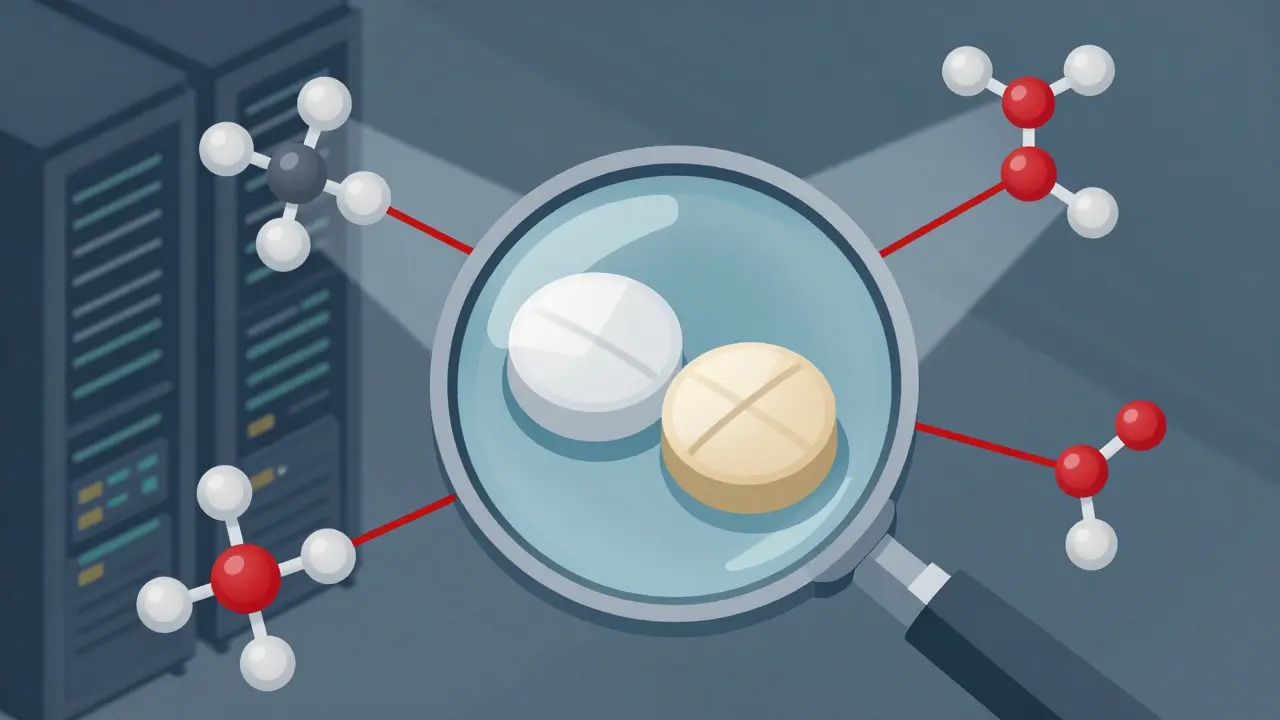
For those interested in the science behind the interaction, DDInter is a unique option. Launched in 2021 by researchers at Chongqing University, it is an open-access knowledge system. It limits checks to five drugs but provides detailed explanations of the pharmacodynamic mechanisms-essentially telling you *why* two drugs conflict at a molecular level. It is completely free, though its interface is more academic than user-friendly.
How to Use These Tools Effectively
Using a digital consultation tool is not just about typing in names. To get accurate results, you need to follow a few practical steps. First, gather a complete list of everything you ingest. This includes prescription generics, over-the-counter pain relievers, vitamins, and even herbal supplements like St. John’s Wort, which can significantly alter drug metabolism.
- List All Medications: Include dosages if possible. A low dose of one drug might be safe, while a high dose triggers an interaction.
- Select a Reputable Tool: For most consumers, Epocrates or the free tier of DrugBank is sufficient. Avoid obscure apps that lack clear update policies.
- Check for Severity Levels: Not all interactions are equal. Tools categorize them by severity. Ignore "minor" alerts if advised by your doctor, but never ignore "major" or "contraindicated" flags.
- Verify Updates: Ensure the tool updates within a week of manufacturer changes. mobilePDR, for example, prides itself on updating summaries within a week of manufacturer releases.
Speed matters here. Epocrates requires approximately 15 minutes for basic proficiency, thanks to its intuitive interface and quick search tool. In contrast, implementing enterprise tools like Micromedex can take 3-6 months for staff training. For personal use, choose tools that offer instant results without a steep learning curve.
The Danger of Alert Fatigue
There is a catch with relying on digital tools: alert fatigue. Dr. Jane Lee, a medication safety specialist at Mayo Clinic, warned that automated checkers generate numerous false positives. Clinicians ignore 49-96% of warnings depending on system configuration. This happens because the algorithms are overly cautious, flagging theoretical interactions that may never occur in real-world physiology.
If you see a warning, do not panic, but do not dismiss it either. Context is key. A digital tool might warn you about an interaction between a generic acid reducer and a heart medication. While technically true, your doctor may have prescribed this combination specifically because the benefits outweigh the risks. Use the tool to identify potential issues, then discuss them with a healthcare professional. The tool is a screening device, not a final authority.
Furthermore, no single tool captures all clinically significant interactions. The American Medical Informatics Association noted that false negative rates range from 8% to 32% across platforms. Cross-referencing with a second tool, like using both Epocrates and DDInter for a complex regimen, can provide a more robust safety net.
Future Trends: AI and Predictive Analytics
The landscape of drug interaction checking is evolving beyond simple database lookups. Current developments indicate a shift toward AI-enhanced prediction capabilities. DDInter announced Version 2.0 in January 2024, introducing machine learning features to predict novel interactions that haven't been documented yet. This moves the field from reactive checking to proactive prevention.
Merative acquired drug interaction startup InteracDx in September 2023 to enhance Micromedex's predictive capabilities, aiming to reduce false positives by 35%. This reduction is critical for solving the alert fatigue problem. Additionally, the FDA's 2023 Digital Health Innovation Action Plan identifies improved drug interaction checking algorithms as a priority area, suggesting future regulatory requirements for higher accuracy standards.
As these tools become smarter, they will likely integrate more seamlessly into online pharmacy checkout processes. Imagine a scenario where your cart automatically scans for interactions with your profiled medications before you even click "buy." Until that day arrives, manual verification using trusted digital consultation tools remains your best strategy for safe generic drug purchasing.
Are generic drugs safer to check with digital tools than brand names?
Generic drugs contain the same active ingredients as brand names, so the core interaction risks are identical. However, digital tools are essential for generics because they verify that the specific formulation does not introduce unexpected variables. Since generics can vary by manufacturer, using a comprehensive database ensures you are aware of any known issues with that specific production batch or inactive ingredient profile.
Which tool is best for checking multiple medications at once?
Epocrates is widely considered the best for checking multiple medications, allowing up to 30 drugs to be analyzed simultaneously. UpToDate Lexidrug supports even more (50+), but it is primarily designed for clinicians. For most users managing a complex regimen, Epocrates offers the best balance of capacity, ease of use, and free access.
Can I trust free digital consultation tools?
Yes, reputable free tools like Epocrates and DDInter are highly reliable. Epocrates is rated five stars by the American Academy of Family Physicians, and DDInter is backed by academic research from Chongqing University. However, be cautious of tools that require payment for basic safety checks, as this can limit their accessibility and usefulness for routine screening.
What should I do if a tool flags a major interaction?
If a digital tool flags a major interaction, do not stop taking your medication immediately. Instead, contact your healthcare provider or pharmacist. Explain the flagged interaction and ask if the benefit of the new drug outweighs the risk. Your provider can adjust dosages, switch to an alternative generic, or monitor you more closely.
Do these tools check for interactions with herbal supplements?
Many top-tier tools, including Epocrates and Micromedex, include databases for herbal supplements and over-the-counter remedies. This is crucial because supplements like St. John’s Wort or garlic can significantly impact how your body processes prescription drugs. Always include these non-prescription items in your check for a complete safety assessment.