Best Spanish-Language Resources for Understanding Generic Medications
 Apr, 15 2026
Key Takeaways
- The Agency for Healthcare Research and Quality (AHRQ) provides gold-standard bilingual medication tracking tools.
- MedlinePlus and Health Information Translations offer comprehensive side-by-side brand vs. generic comparisons.
- Regional differences in Spanish (e.g., Spain vs. Mexico) can lead to confusion; always verify specific drug names.
- Visual aids are critical because 63% of Spanish-preferring patients still worry about generic effectiveness.
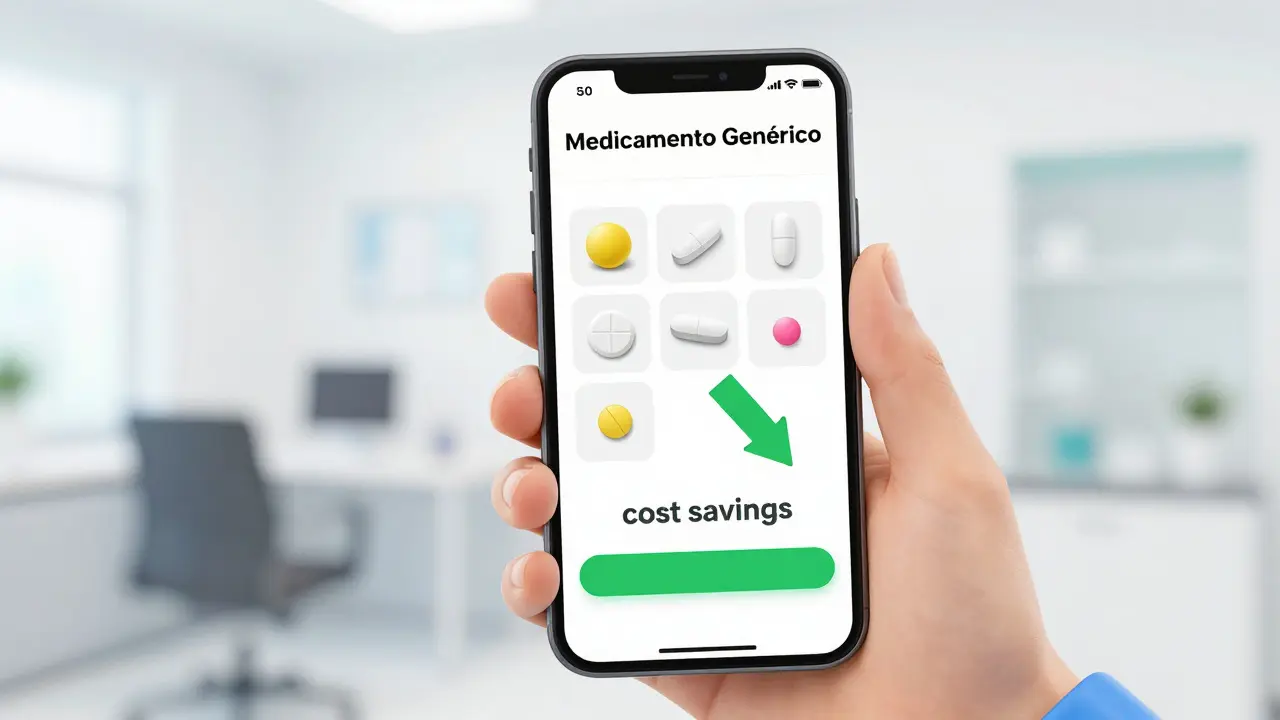
- The NIH's 'Medicamento Genérico' app is a powerful tool for cost calculation and visual verification.
Why Language Access Matters for Generic Drugs
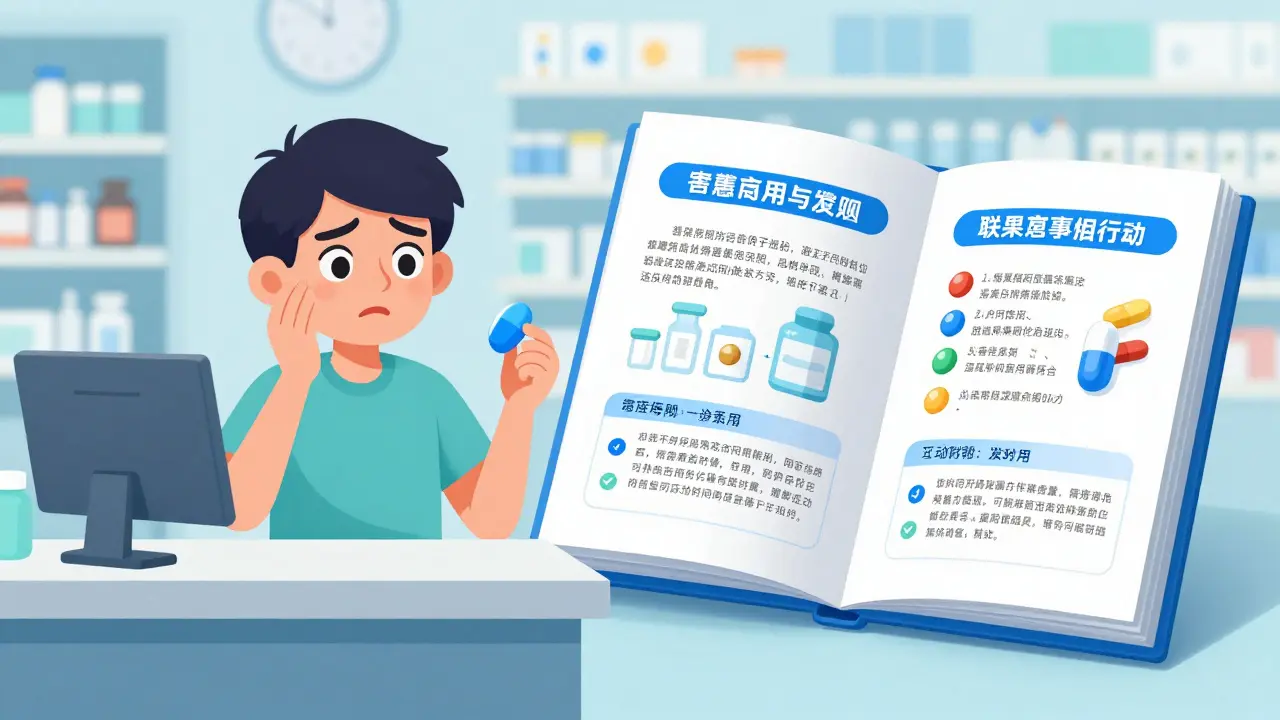
Language barriers in healthcare aren't just about not understanding a doctor; they are about safety. Patients with limited English proficiency are 3.2 times more likely to misunderstand their medication instructions. In the U.S., where about 13.7% of the population speaks Spanish, this creates a massive health equity gap. The problem gets worse when discussing Generic Medications, which are pharmaceutical drugs created to be the same as an existing brand-name drug in dosage, safety, strength, and quality.
While 90% of prescriptions filled in the U.S. are generics, many Spanish-speaking patients aren't fully aware of their therapeutic equivalence. According to Dr. Carlos Maldonado of the National Hispanic Medical Association, nearly 68% of these patients seek cheaper alternatives due to cost, yet only 32% actually understand that the generic version works exactly the same way. This confusion often leads to non-adherence, where patients simply stop taking their meds because they don't trust the cheaper alternative.
Top Resources for Patients and Caregivers
If you are managing medications for yourself or a family member, you need tools that are clear and free of academic jargon. Not all resources are created equal; some are designed for doctors, while others are for the people actually taking the pills.
The AHRQ "My Medicines List"
One of the most practical tools available is the "My Medicines List" from the Agency for Healthcare Research and Quality (AHRQ), which is a federal agency that produces evidence-based practice guidelines to improve healthcare quality. This bilingual resource helps patients track both the brand and generic names of their drugs, the dosage, and the reason for taking them. Because it's designed for usability, it scored a 4.7/5 in patient usability studies, making it a go-to for those who need a simple way to communicate with their pharmacist.
MedlinePlus and Health Information Translations
For those who want to see exactly how a brand-name drug compares to its generic counterpart, MedlinePlus is a comprehensive health information repository provided by the National Library of Medicine. They offer bilingual PDFs that provide side-by-side nomenclature. This is especially helpful for patients who want to verify the active ingredients before switching to a generic version to save money.
The 'Medicamento Genérico' Mobile App
Launched by the National Institutes of Health (NIH), this app addresses the biggest pain point: appearance. It allows users to see images of different generic versions of the same drug, calculate potential cost savings, and access a pharmacist Q&A. Since its release, it has seen over 140,000 downloads, proving that mobile, visual tools are more effective than paper pamphlets.
| Resource | Primary Audience | Key Feature | Best For... |
|---|---|---|---|
| AHRQ List | Patients | Bilingual tracking | Daily medication management |
| MedlinePlus | Patients/Researchers | Side-by-side PDFs | Verifying active ingredients |
| NIH App | Tech-savvy Patients | Visual identifiers | Comparing pill appearance/cost |
| Wake AHEC Card | Providers | Dialogue templates | Pharmacist-patient communication |
The "Regional Spanish" Trap
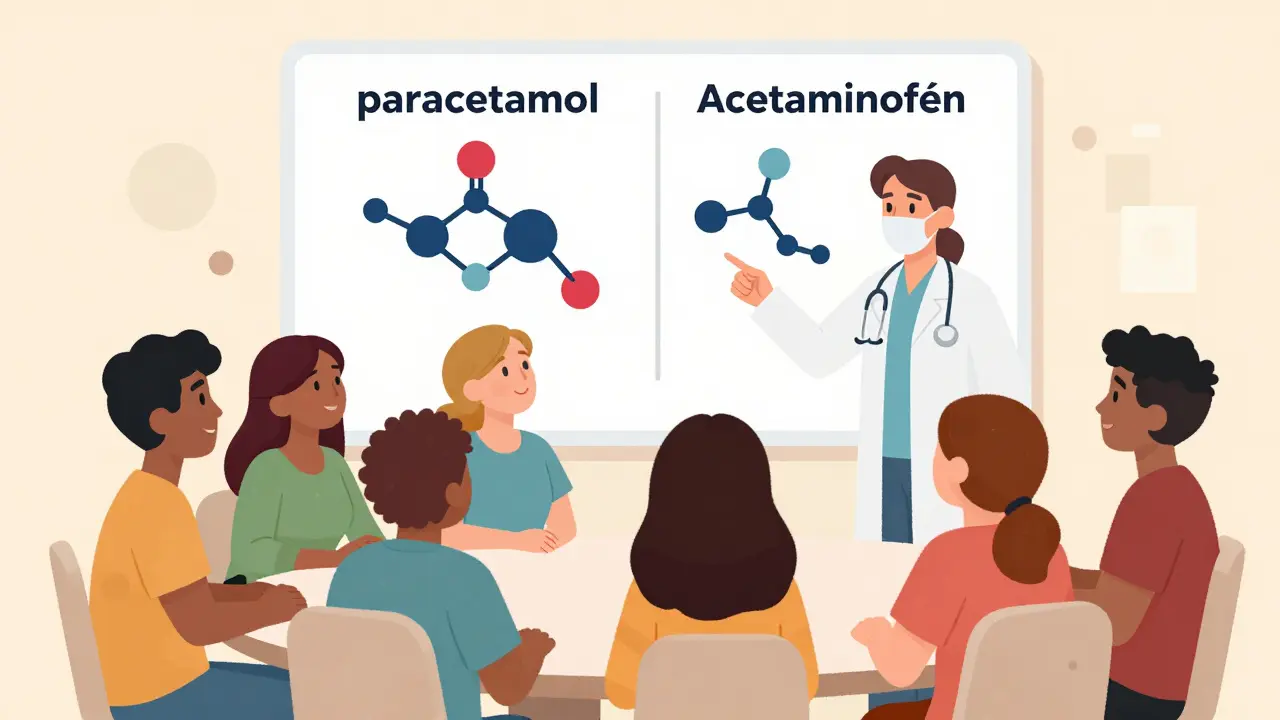
Here is a reality check: Spanish is not a monolith. A resource written for someone from Madrid might not make sense to someone from Mexico City. This is a major flaw in many current materials. For example, the term for a common pain reliever might be "paracetamol" in Spain, but "acetaminofén" in Latin America. Even the word pastillas can be tricky; in some regions, it just means "pills," but in others, it specifically refers to birth control.
This regional variance can lead to dangerous misunderstandings. If a patient travels or moves between Spanish-speaking regions, they might think they are being given a different medication entirely. Translation experts, like Elena Rodriguez, have pointed out that many resources fail to address these nuances. When using a resource, it is always smart to ask the pharmacist, "¿Es este el mismo ingrediente activo?" (Is this the same active ingredient?) to ensure there is no confusion between regional terms.
Tips for Healthcare Providers: Improving Communication
If you're a pharmacist or nurse, simply handing over a translated flyer isn't enough. You need to address the psychological barrier of "different look, different drug." A study by the University of Miami Miller School of Medicine found that using visual aids-showing the patient that two different-looking pills contain the same medicine-reduces confusion by 37%.
Avoid anglicizing terms. For instance, instead of using an English-influenced pronunciation, use the correct Spanish pronunciation for farmacia (far-MA-sya). Small shifts in how you speak build trust. Additionally, focus on these three practical phrases to put patients at ease:
- "Esta medicina tiene una apariencia diferente, pero es lo mismo" (This medicine looks different, but it is the same).
- "El medicamento genérico tiene el mismo efecto que el de marca" (The generic medication has the same effect as the brand name).
- "Usted ahorrará dinero usando la versión genérica" (You will save money using the generic version).
Overcoming the Fear of Generics
Why are people still afraid of generics? It often comes down to a lack of education on bioequivalence. Patients often believe that "cheaper" means "lower quality" or "less potent." To combat this, resources should explain that the FDA requires generic drugs to be the same as brand-name drugs in terms of their active ingredient, strength, and how they behave in the body.
Real-world success stories show that the right resource can change a life. One caregiver reported that using the AHRQ Spanish list helped her father understand he could safely switch to generics, saving the family $200 a month. When the technical data (bioequivalence) is translated into a human benefit (saving money and maintaining health), patients are much more likely to adhere to their treatment plans.
Are generic medications actually the same as brand-name ones?
Yes. Generic medications use the same active ingredients and must meet the same strict standards for safety and efficacy as the brand-name version. The only differences are usually the inactive ingredients (like fillers or dyes), which is why the pill might look different.
Where can I find a bilingual list to track my medications?
The Agency for Healthcare Research and Quality (AHRQ) provides a highly-rated "My Medicines List" available in both English and Spanish. It is designed to help patients track names, dosages, and frequencies of their meds.
Why is the color of my generic pill different from my old one?
Different manufacturers use different dyes and fillers. As long as the active ingredient is the same, the color change does not affect how the medicine works. If you're worried, use the NIH 'Medicamento Genérico' app to see common appearance variations.
Does 'medicamento genérico' mean the same thing in all Spanish-speaking countries?
While the term 'medicamento genérico' is widely understood, the names of specific drugs can vary by region. For example, paracetamol in Spain may be called acetaminofén in Latin America. Always confirm the active ingredient with your provider.
How can I tell if a resource is reliable?
Look for resources from government agencies (like NIH or AHRQ) or established medical libraries (like MedlinePlus). Avoid random blogs and ensure the resource is updated frequently to reflect current pharmaceutical standards.
Next Steps and Troubleshooting
For Patients: If you are unsure about a medication change, don't just stop taking it. Download the NIH app or print the AHRQ list and take it to your pharmacist. Ask specifically: "¿Este medicamento es bioequivalente al de marca?"
For Caregivers: Use a bilingual folder to keep all medication inserts. If the patient is resistant to generics, show them a side-by-side cost comparison and use a visual aid to prove the medication's identity.
For Providers: If you notice a patient is hesitant, stop the clinical explanation and move to a visual one. Show them images of different generics of the same drug. If you aren't sure of the patient's origin, use "neutral Spanish" to avoid regional terminology errors.
Jon lee
April 16, 2026 AT 21:51This is such a helpful guide. It's all about making sure everyone feels safe and seen in the healthcare system. Thanks for sharing these tools!
Maggie Graziano
April 17, 2026 AT 21:49fda standards are a joke anyway who knows what is actually in the generic pills
Randall Barker
April 18, 2026 AT 08:37The real tragedy here isn't the language barrier but the systemic failure of a society that lets a person's survival depend on their ability to navigate a bureaucratic nightmare. We pretend to care about health equity while the machinery of pharmaceutical profit continues to grind down the marginalized. It is a moral vacuum where the 'generic' label is just a way to pacify the poor into believing they are getting a fair shake. Why do we even tolerate a system where basic understanding of one's own medicine requires a third-party app? It is a symptom of a deeper rot in the social contract where the state abdicates its responsibility to provide clear, universal communication and instead puts the burden on the victim of the barrier. We should be discussing the ethics of drug pricing and the corporate greed that necessitates these 'cost-saving' generics in the first place. It is a philosophical absurdity to treat the symptom of language confusion without addressing the disease of medical elitism. The fact that we need 'dialogue templates' for pharmacists reveals the utter bankruptcy of empathy in our modern clinical encounters. We have traded the healing touch for a standardized script and a bilingual PDF. This is not a gap in communication; it is a gap in our collective humanity. The insistence on 'bioequivalence' is a cold, clinical term used to mask the fact that the poor are simply given the budget version of survival. We must demand more than just apps; we must demand a revolution in how care is delivered to the underserved. Only then can we stop talking about 'barriers' and start talking about actual justice.
Nell O'Leary
April 19, 2026 AT 23:04Totally agree with the emphasis on bioequivalence! 💊 The pharmacokinetic profiles are virtually identical across most generic iterations, so the therapeutic window remains stable. Using the AHRQ tools for medication adherence is a huge win for patient outcomes! 😊
Colleen Tankard
April 20, 2026 AT 10:24Love that they mentioned the regional differences 🌍 It's so easy to forget that Spanish varies so much between countries! 💃
Sophia Rice
April 22, 2026 AT 09:08My abuela always got confused with the colors too. This is realy great info for familes trying to help out their elders.
Nathan Berlin
April 23, 2026 AT 10:02imagine needing an app for this in the west lol 🤡 we have far superior medical systems in india that dont need these pathetic crutches 🇮🇳
Josephine Wyburn
April 24, 2026 AT 11:53Omg I can't even imagine the absolute stress of thinking your medicine is wrong and just sitting there in panic while the pharmacist doesn't understand you 😭 it literally makes my heart ache just thinking about the emotional toll this takes on people who are already struggling with their health and just want to feel safe in their own bodies 💔
Heer Malhotra
April 26, 2026 AT 01:41It is imperative that these standards are applied globally to ensure that no patient is left behind due to linguistic incompetence.
Autumn Bridwell
April 27, 2026 AT 01:12Wait, my cousin had a huge reaction to a generic once and I'm pretty sure the doctor just ignored her because of the language gap! This is actually terrifying!