Allergic Asthma: Triggers, Allergen Avoidance, and Immunotherapy Guide
 Mar, 27 2026
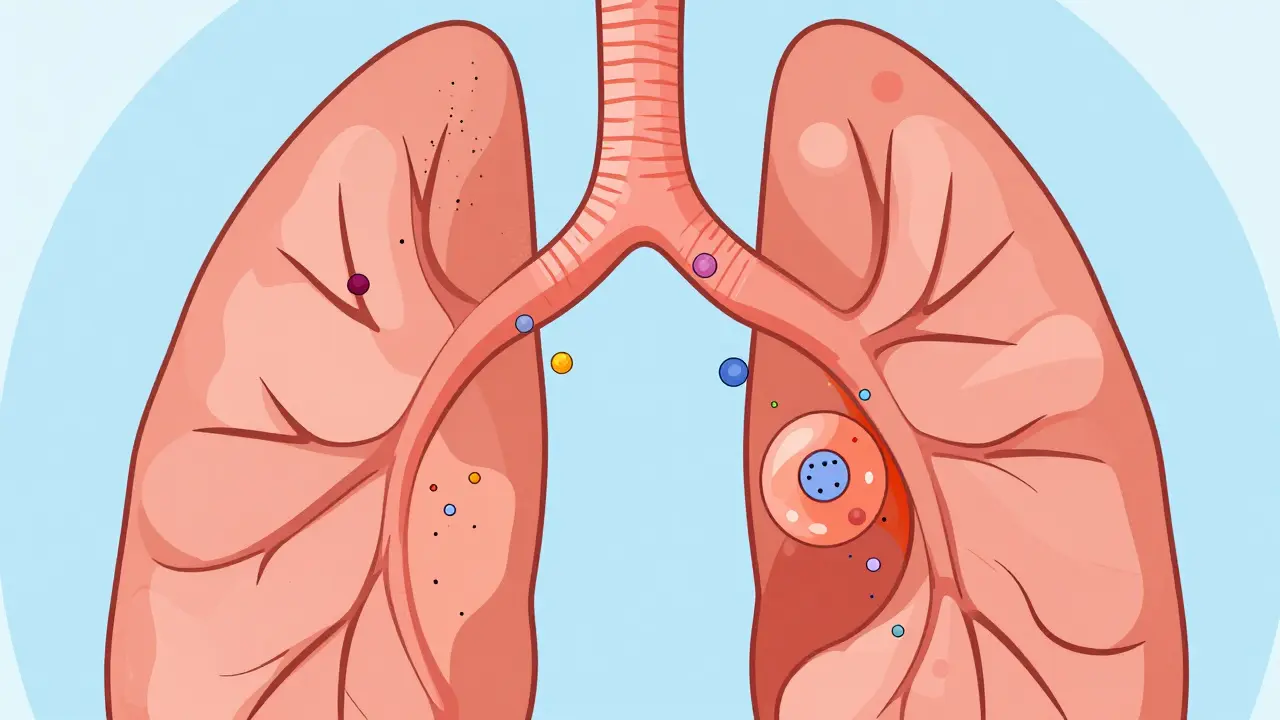
Allergic Asthma, formally known as an asthma type triggered by an immunoglobulin E response to inhaled allergens, affects about 60% of the 25 million Americans living with asthma. You might think asthma is just one condition, but understanding the difference between allergic and non-allergic forms changes everything about how you manage your health. Current data shows that over 80% of children with asthma have this allergic form, while it still accounts for 60% of adult cases. The good news is that because we know exactly what triggers it, we have specific tools to stop the reaction before it starts.
The core issue lies in how your immune system sees the world. Instead of ignoring harmless things like dander or pollen, your body flags them as threats. When you breathe these allergens in, mast cells release inflammatory mediators. This causes airway constriction and swelling. It’s like a false alarm that keeps going off until you clear the trigger. This process, explained clearly in the 2022 Global Initiative for Asthma guidelines, is driven by specific markers like elevated serum IgE levels, often over 100 kU/L in severe cases.
Identifying Your Specific Triggers
Knowing exactly what sets you off is the first step to breathing easier. Different allergens attack at different times of the year, so timing matters. Tree pollen usually hits hard in February through April, with peak counts in March reaching 10-20 grains per cubic meter. Grass pollen tends to dominate May through July, sometimes spiking to 100 grains/m³ in June. If your symptoms flare up every September without fail, look at ragweed. Those counts can exceed 100 grains/m³ during peak season.
Indoor triggers are less seasonal but equally powerful. House Dust Mite common household allergen found in bedding and furniture concentrations often exceed safe levels when relative humidity stays above 50%. In fact, 84% of U.S. homes have dust levels high enough to sensitize people. Pets add another layer. Cat allergen, specifically Fel d 1, exceeds sensitizing thresholds in nearly 80% of homes even if there isn't a pet present right now, thanks to lingering proteins.
- Pollen: Seasonal, wind-blown, peaks vary by region.
- Dust Mites: Year-round, thrive in humidity over 50%, concentrated in bedding.
- Pet Dander: Cats produce potent Fel d 1 protein, dogs less so.
- Mold Spores: Alternaria spikes during late summer thunderstorms, linked to emergency visits.
It isn’t just about being near a cat or walking outside. A study published in the Journal of Allergy and Clinical Immunology showed a 3.5-fold increase in emergency department visits when mold spore counts surpassed 500 spores per cubic meter during storms. That's why tracking local environmental data helps you plan your day.
Practical Allergen Avoidance Protocols
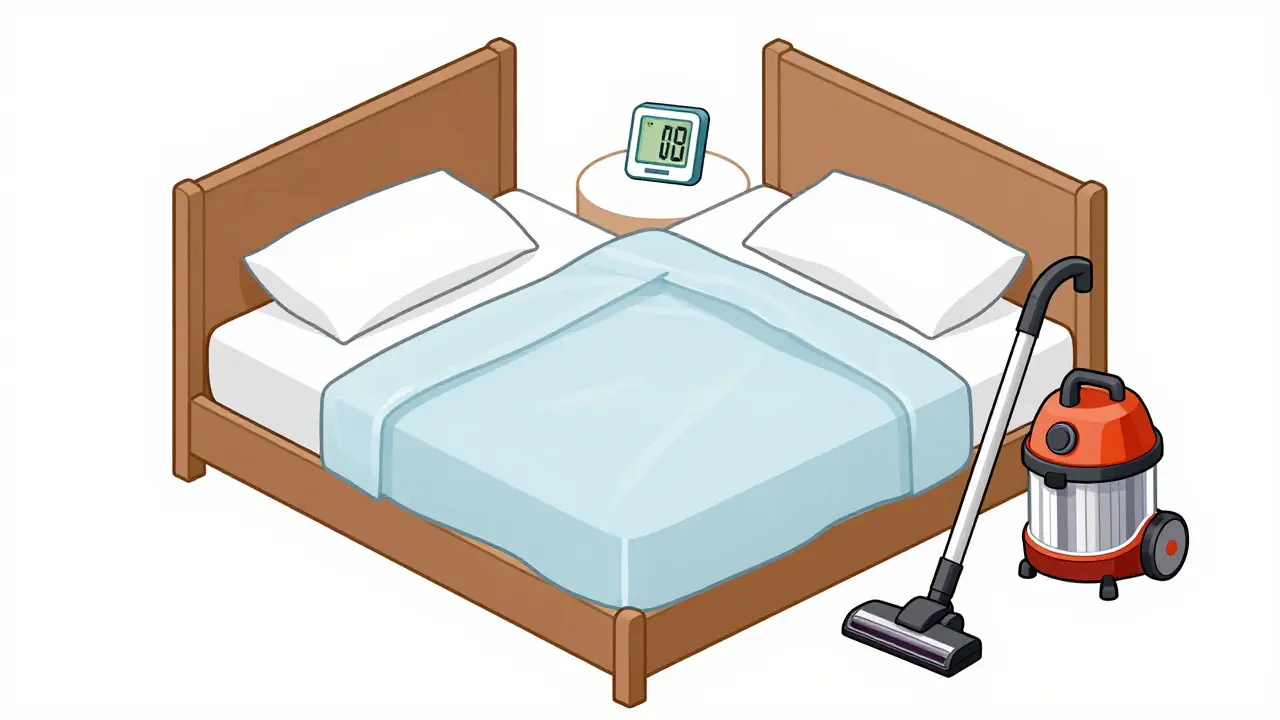
You don't need to live in a sterile bubble, but changing your environment significantly reduces load. The EPA recommends keeping indoor humidity between 30% and 50%. Using a hygrometer to check this is a small cost for major relief. Research confirms that dropping humidity to 45% can reduce dust mite allergen from dangerous levels down to negligible amounts in months.
Furniture and bedding are the biggest reservoirs. Replace standard covers with allergen-proof ones. For example, replacing bedding with zippered protection allows dust mites to stay trapped where they belong rather than getting inhaled nightly. Hot water washing, defined as over 130°F, kills mites and removes 90% of their proteins. Vacuuming twice weekly with a HEPA filter pulls cat allergens out of carpets effectively, reducing exposure by roughly 42% compared to standard vacuums.
| Strategy | Action Required | Impact Metric |
|---|---|---|
| Bedding | Allergen-proof encasement | Reduces exposure overnight |
| Washing | Hot water (>130°F) weekly | Reduces mite allergen by 90% |
| Humidity Control | Keep below 50% RH | Prevents mite reproduction |
| Vacuuming | HEPA filter, 2x weekly | Cuts cat allergen by 42% |
If you know you are sensitive to pollen, keep windows closed when counts are high. Wearing an N95 mask during yard work reduces exposure significantly. Showering immediately after coming indoors prevents bringing outdoor particles into your bed, which could ruin your sleep quality and next morning’s breathing. Small habits stack up to create a safer home environment.
Understanding Allergen Immunotherapy
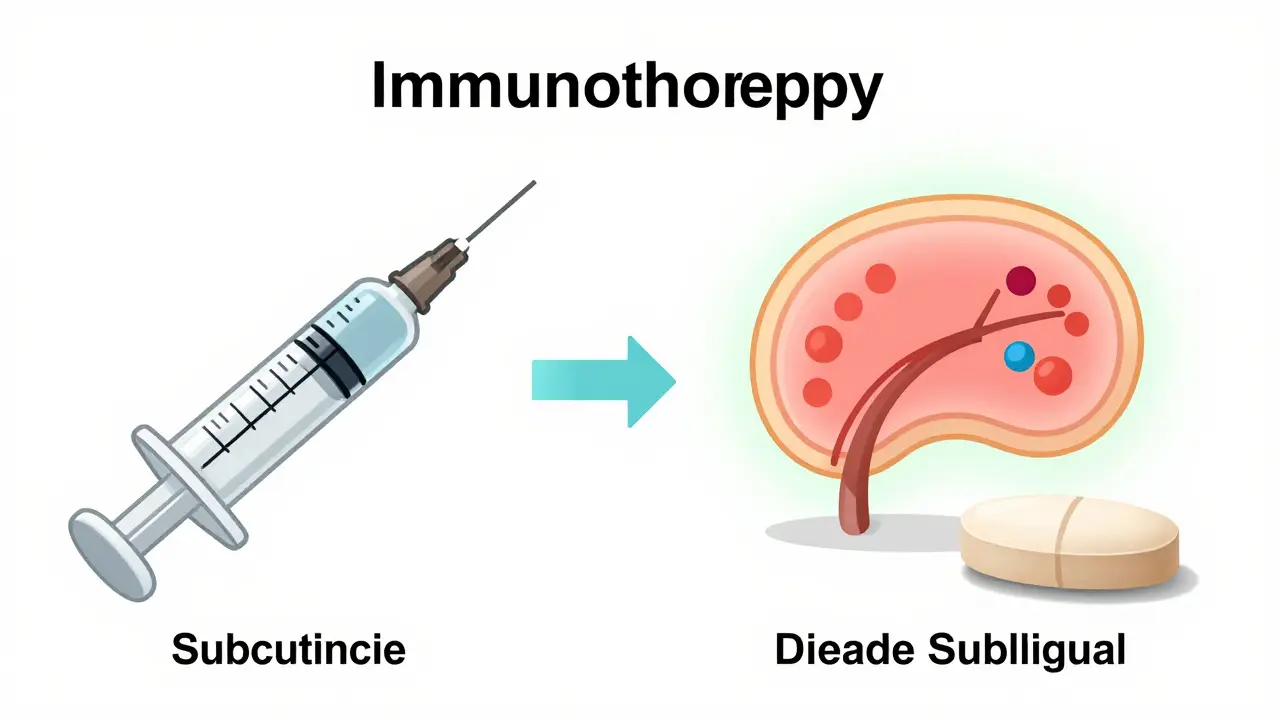
When avoidance isn't enough, Allergen Immunotherapy medical treatment designed to desensitize immune system to allergens offers a long-term solution. Unlike medications that treat symptoms, this therapy changes how your immune system responds to triggers. Data from a 2021 Cochrane review involving over 12,000 participants showed immunotherapy can reduce medication dependence by up to 40%. It works by exposing you to tiny, controlled doses of the allergen so your body stops panicking.
There are two main delivery methods you need to know about. Subcutaneous Immunotherapy (SCIT) involves shots given at a clinic. The build-up phase takes weeks to reach a maintenance dose. It requires commitment because you visit the clinic frequently at first. Sublingual Immunotherapy (SLIT) uses tablets or drops under the tongue daily at home. A trial called MILO found SLIT reduced symptom scores by 35% in dust mite patients compared to 15% with steroids alone.
Side effects exist but are manageable. About 28% of SCIT users report injection site reactions in the first year. Oral itching occurs in nearly 80% of SLIT users during the first month, leading some to quit before it kicks in. Most people see clinical benefit after 12 to 18 months. You shouldn't stop after feeling better; completing the full 3-to-5-year course is vital for lasting remission. Without finishing the course, the tolerance can fade away quickly.
Beyond Standard Care: Biologics and New Tech
Sometimes avoidance and shots aren't enough for severe cases. Here is where biologics come in. Medications like Omalizumab target IgE directly. Studies show this reduces exacerbations by 49% in allergic asthma specifically. However, this isn't for everyone. Dr. Mario Castro notes that biomarkers like blood eosinophils over 300 cells/µL predict who benefits. About 30% of patients thought to have allergic asthma actually have non-type 2 inflammation, making these expensive drugs ineffective for them.
New technology is also arriving fast. We are seeing FDA breakthrough devices that detect airborne allergens at incredibly low concentrations, alerting you before you feel sick. Apps now integrate weather forecasts with personal exposure data to predict risk. By 2030, experts believe molecular diagnostics will help identify unnecessary treatments, potentially saving millions in costs while giving you better control. The focus is shifting from reacting to attacks to preventing the biological cascade entirely.
Putting It Into Practice
Managing this condition requires a dual approach. You must lower your exposure while simultaneously treating the underlying immune dysfunction. Start with testing. Skin prick tests with wheals larger than 3mm confirm sensitization. Blood tests for specific IgE offer clarity too. Once you know your enemy, use the avoidance checklist to clean your environment. Then, discuss immunotherapy with your allergist to see if you qualify for disease-modifying treatment.
Don't rely on memory for your triggers. Track your symptoms alongside local pollen counts. If your Peak Flow drops on high-pollen days, that's your confirmation. Consistency in your hygiene routine matters more than perfect execution once a week. Small, persistent changes in humidity and cleaning frequency yield the best long-term results for respiratory health.
How common is allergic asthma compared to other types?
Allergic asthma represents the most prevalent subtype, affecting approximately 60% of all Americans with asthma. Among children, the rate is even higher, exceeding 80% of pediatric cases.
What is the difference between SCIT and SLIT?
SCIT involves injections administered in a clinic, while SLIT uses tablets or drops placed under the tongue daily at home. SLIT has shown significant symptom reduction for house dust mite allergies specifically.
How do I know if my asthma is allergic?
Allergic asthma typically presents with positive skin prick tests and elevated serum IgE levels. Genetic markers and blood eosinophil counts can also help distinguish allergic phenotypes from non-allergic ones.
Does humidity affect asthma severity?
Yes, maintaining indoor humidity between 30% and 50% is critical. Levels above 50% promote dust mite growth, which is a primary indoor trigger for many patients.
Can immunotherapy cure asthma?
While it may not be a total cure, immunotherapy provides a disease-modifying effect. Completing the full course can lead to long-term remission and reduced need for daily medication.
Austin Oguche
March 28, 2026 AT 17:17Keeping the humidity down below fifty percent really makes a difference in the bedroom you should get a hygrometer to track it properly most people dont realize how much moisture affects those dust mites living in the sheets i keep mine at forty three percent all year round and the difference in breathing is night and day since i started measuring regularly
Shawn Sauve
March 29, 2026 AT 03:03You are absolutely right about the humidity control and i think everyone should invest in one :)
Richard Kubíček
March 29, 2026 AT 20:09We often overlook how our environment shapes our health outcomes in profound ways. Living spaces accumulate allergens far faster than we notice without testing. Reducing exposure is truly the foundation of any effective treatment plan. Many patients wait until symptoms become unbearable to take action. This reactive approach is rarely sustainable for long term well being. Prevention requires consistent effort rather than sporadic bursts of cleaning. Dust mites thrive when moisture is available for their biological cycles. Controlling humidity disrupts that cycle effectively. Immunotherapy changes your biology but only works best with reduced load. Relying on medication alone often ignores the root cause entirely. We must view our homes as part of the medical strategy instead of just shelters. Small adjustments in bedding fabric create significant barriers to exposure. Consistency in washing routines matters more than intensity. Most people give up when immediate relief does not appear quickly. Patience is necessary for both behavioral changes and medical treatments.
Sarah Klingenberg
March 30, 2026 AT 06:42Pet dander lingers everywhere so i wash my clothes every single day just to stay safe 😕
Rachael Hammond
March 30, 2026 AT 19:02its kinda annoying but worth it trust me and dont skip the hot wash either
Devon Riley
March 31, 2026 AT 11:34Showering right after coming home stops pollen from getting into bed 💦
Tommy Nguyen
April 2, 2026 AT 09:22Pollen counts spike way too hard in march for us midwest folks
Kameron Hacker
April 3, 2026 AT 15:56It is insufficient to merely rinse off pollutants without addressing the indoor reservoirs that accumulate daily.
Poppy Jackson
April 3, 2026 AT 18:44The air feels suffocatingly thick sometimes and i wonder if it will ever feel light again.
Jeannette Kwiatkowski Kwiatkowski
April 4, 2026 AT 22:06It is quite typical for laypeople to lack understanding regarding proper allergen barrier methods.
Paul Vanderheiden
April 6, 2026 AT 12:27We need to act fast and clean the house top to bottom before the season hits hard
Rohan Kumar
April 8, 2026 AT 09:05Just another reason the industry keeps us dependent on drugs that do not actually fix the problem 🙄🛑